
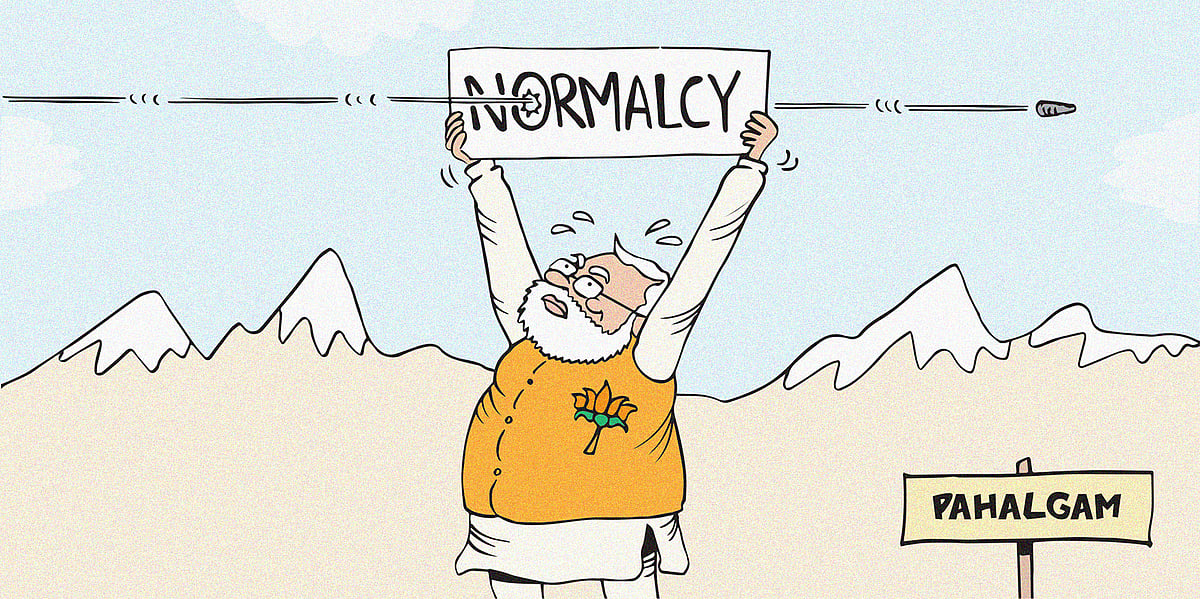

This week at Himal
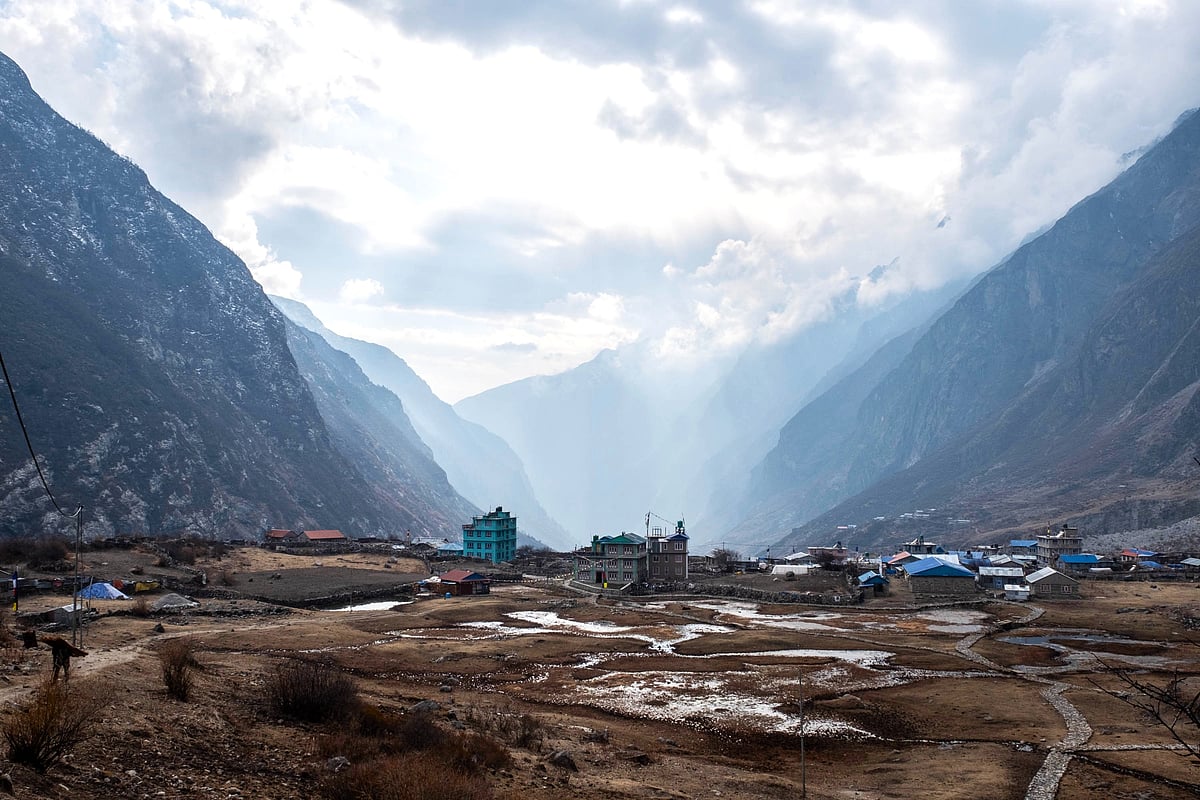
This week, Eileen McDougall writes about how residents of Langtang Valley in Nepal rebuilt after an earthquake in 2015, with residents coming together to reconstruct their homeplace in the face of government inefficiency and inadequate funds and infrastructure.
For the next episode of the State of Southasia podcast, host Nayantara Narayanan speaks with social anthropologist Alpa Shah about the 2018 Bhima Koregaon case and how it has come to represent India’s democratic decline.
For the May edition of Screen Southasia, our monthly online documentary screening in collaboration with Film Southasia, we’re screening Fireflies in the Abyss directed by Chandrasekhar Reddy, following the lives of boys and men working in coal mines in Northeast India. Sign up here to receive the screening link!
Also read: Why did they kill Gauri Lankesh?
Also read: Rahul Bhatia on India’s turn towards authoritarianism: Southasia Review of Books podcast #22
Also read: How one village forged its own recovery after Nepal’s 2015 earthquake
This week in Southasia
India-Pakistan tensions escalate in the wake of attack in India-administered Kashmir
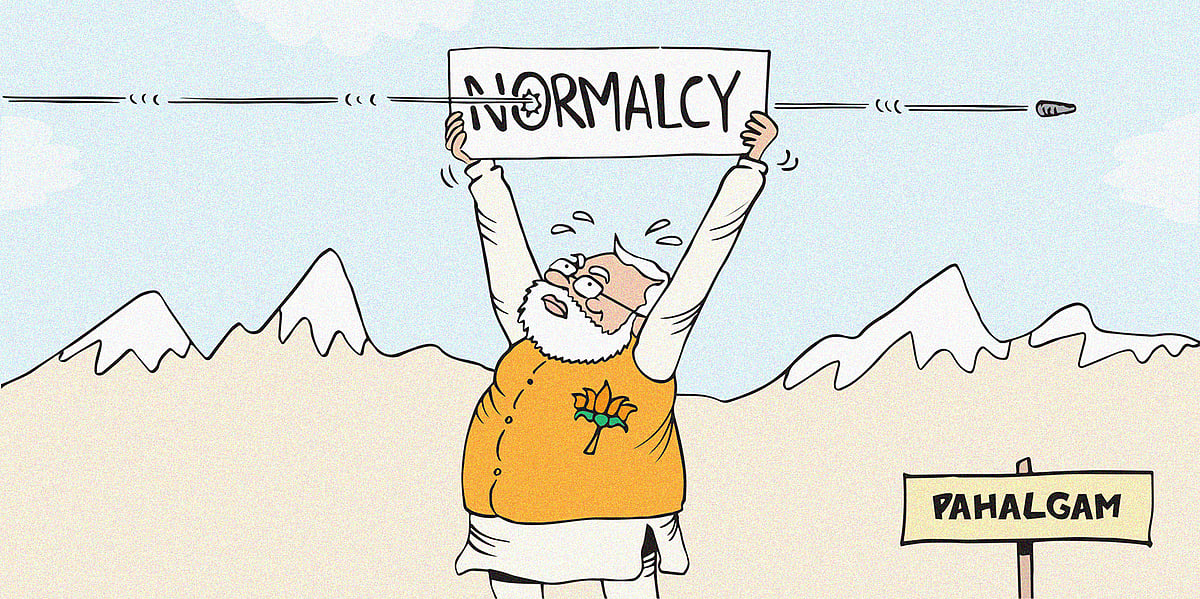
On 24 April, at least 26 people were killed and 17 others wounded after gunmen opened fire on a group of tourists in Pahalgam, in India-administered Kashmir. The Resistance Front, an offshoot militant group of the Pakistan-based Lashkar-e-Taiba has claimed responsibility for the attack. Eyewitnesses described ‘scenes of chaos’. Several major newspapers in Jammu and Kashmir printed their front pages black to condemn the attacks.
Tensions have escalated between India and Pakistan in the wake of the attack, with India closing the main border-crossing, suspending the Indus Waters Treaty, and expelling Pakistani diplomats and some Pakistani visa-holders. In response, Pakistan has suspended visas to Indians, asked Indian defence, naval and air advisers to leave the country, reduced the number of diplomats in the Indian High Commission, suspended the Simla agreement, closed its airspace and suspended trade with India.
Residents in Pahalgam raised concerns about the impact of the attack on tourism — the main driver of economic growth and source of income in Kashmir. The attack shatters India’s claims of ‘normalcy’ in Kashmir after it revoked Article 370 in 2019, with Jammu and Kashmir becoming a Union Territory governed by a New Delhi-appointed Lieutenant Governor. In response, India’s prime minister Narendra Modi vowed to pursue the militants ‘to the end of the earth’, while over 1500 Kashmir residents have been arrested by Indian forces. Criticism has been levelled against the inflammatory language being used in Indian mainstream media in response to the attack, reminiscent of the aftermath of the Pulwama attack in 2019, indicating that tensions are likely to persist in the coming days.
Elsewhere in Southasia
- Myanmar’s junta killed 50 people and injured nearly 80 in a three-day long airstrike across the country’s central plains
- Sinhala Buddhist nationalist and Sri Lanka Podujana Peramuna local government election candidate Dan Priyasad shot dead in Colombo, three arrested. Opposition MP raises public security concerns given a spike of killings of underworld figures
- The Nepal Medical Association called for nationwide boycott, except for emergency and intensive care, in solidarity with resident doctors pursuing degrees in private colleges demanding stipends on par with those of government-owned colleges
- The rebel Myanmar National Democratic Alliance Army returns control of the northern city of Lashio to the junta under the terms of the ceasefire brokered by China in January
- Maldivian President Mohamed Muizzu advocates for preferential voting system (or ranked choice voting) among other electoral reforms at a meeting with the ruling People’s National Congress parliamentary group
- BBC News launches satellite news service in Myanmar after devastating earthquake in the country, replacing Voice of America’s channel which was targeted by Trump’s aid cuts
- More than 19,500 Afghans deported this month from Pakistan ahead of 30 April deadline, UN says, with nearly 80,000 crossing the border as Pakistan steps up Afghan refugee deportations
- Among the 135 cardinals eligible to vote in the conclave after Pope Francis’s death, four are from India, and one from Sri Lanka, Myanmar and Pakistan each
- In good news for regionalism, Afghanistan, Pakistan and Uzbekistan set to sign railway agreement aimed at boosting regional connectivity and economic integration
- Pakistan’s deputy prime minister and foreign minister will visit Bangladesh over the weekend, marking growing ties between the two countries
- Tibetan Buddhist leader Tulku Hungkar Dorje secretly cremated in Vietnam, despite pleas by activists and Tibetan rights groups to allow his remains to be taken back to Tibet and calls for an international investigation
- The International Monetary Fund recommends Sri Lanka to diversify its export markets to maintain economic stability and growth as the tariffs by US President Donald Trump challenges the country’s market
Only in Southasia!
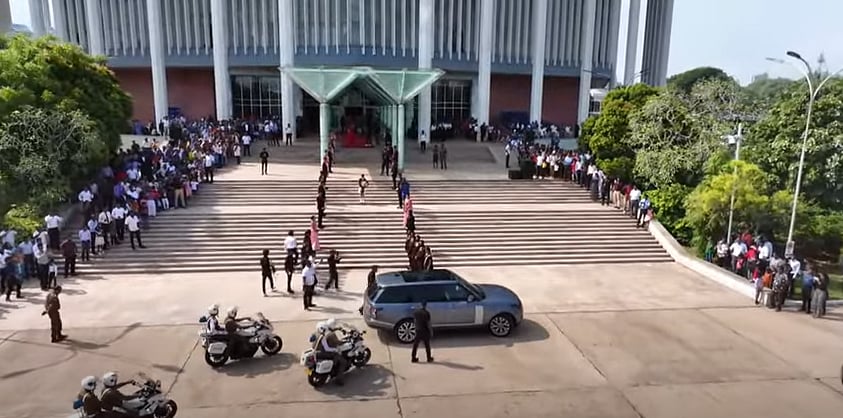
Social media feeds across Sri Lanka have been filled with videos of a VIP police motorcade pulling up to a conference hall in Colombo - allegedly hired by a tuition class teacher for an event to honour students who had passed the Grade 5 scholarship examination. The teacher told the police that the event would be attended by 8000 students and 35,000 parents, and would require special security measures, prompting the police to provide the escort for a fee of LKR 200,000. However, as video footage of the teacher making a grand entrance went viral, the police have now launched an investigation - even though they initially said there was no misuse of police property as the teacher had paid a fee. Oops!
From the archive
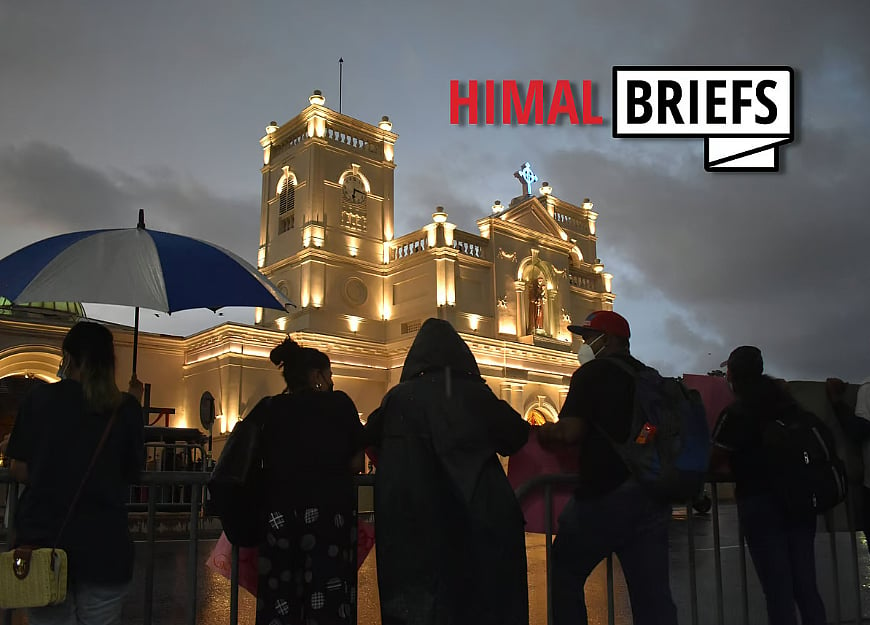
Sri Lanka’s Easter bombing verdict is reshaping politics and power (January 2023).
On 20 April, Sri Lankans remembered the 2019 Easter Sunday suicide bomb attacks, which led to accusations of negligence from the highest echelons of the political and security establishment. From January 2023, Rathindra Kuruwita writes that while Sri Lanka’s Supreme Court ordered former president Maithripala Sirisena and high-ranking defence and intelligence officials to compensate the victims of the bombings, then prime minister Ranil Wickremesinghe evaded accountability. As new questions are raised about the political leadership involved in the attack, the questions Kuruwita raises remain relevant. .