

This week in Himal
Before we kick off this week's newsletter, we want to hear from you. Please fill out our short reader survey - it takes less than five minutes (we promise!)
This week, Amish Mulmi writes about the recent violent pro-monarchy protests, which reveals Nepal’s incomplete transition from Hindu kingdom to secular republic, fuelled by nationalist myth and India’s Hindu Right.
In a searing essay Harsh Mander writes about how the Narendra Modi-led government will be held to account for its support for Israel’s genocidal war in Gaza, alongside the state-fuelled hate targeting India’s own Muslim, Christian and other minority citizens.
For the next episode of the Southasia Review of Books podcast, host Shwetha Srikanthan speaks with scholar and civil rights activist Anand Teltumbde on ‘ Iconoclast: A Reflective Biography of Dr Babasaheb Ambedkar, a nuanced biography of Ambedkar that challenges conventional perceptions.
Also read: Women in Sri Lanka’s North bear the heat
Also read: The Gaza apocalypse and India’s guilt
Also read: Shafiur Rahman on the Rohingya’s endless troubles in Bangladesh: State of Southasia #20
Also read: The incomplete end of Nepal’s Hindu monarchy
This week in Southasia
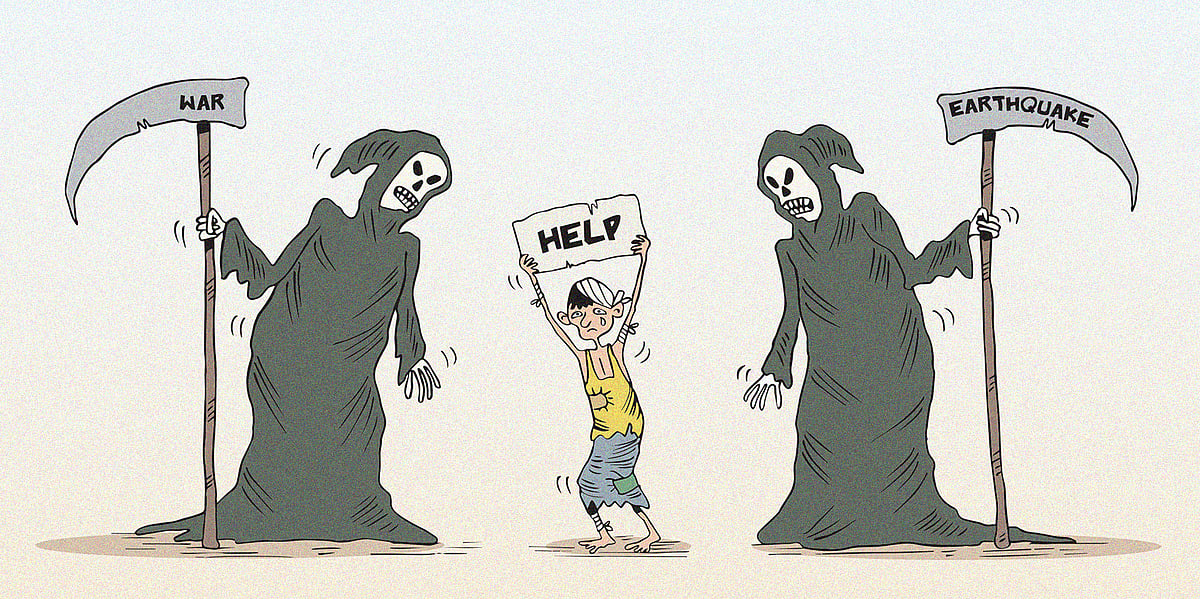
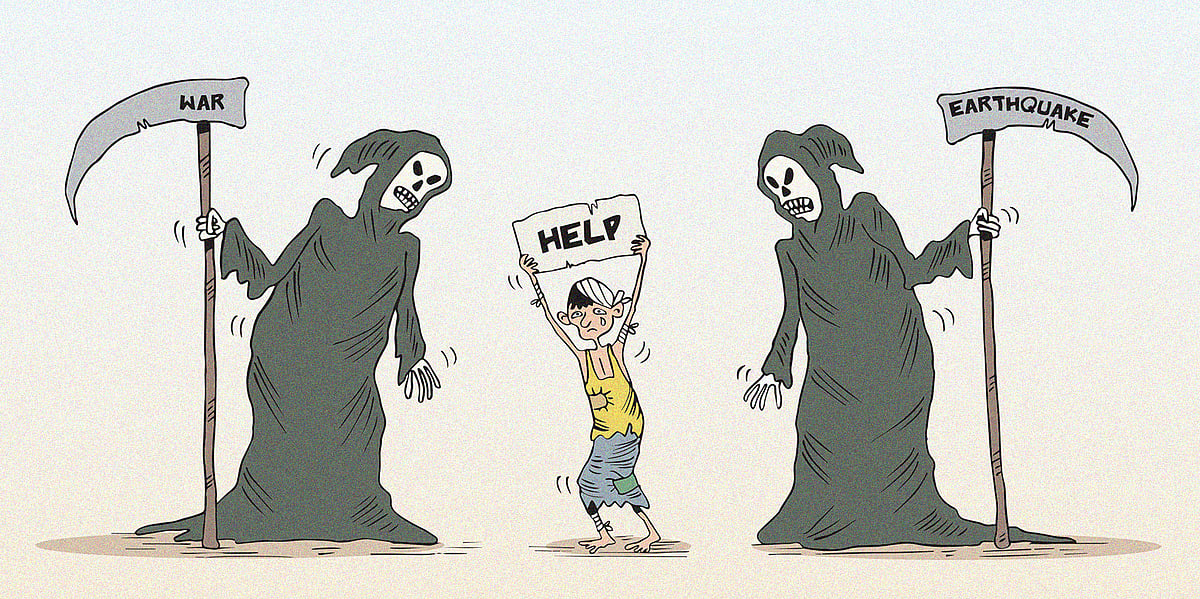
Ongoing airstrikes hinder rescue efforts after powerful earthquake in Myanmar
Last Friday, an earthquake of 7.7 magnitude struck Myanmar near Sagaing. A week later, over 3000 people have lost their lives, with 351 people missing and 4515 people reportedly injured as of 3 April. While much of the initial international media coverage focused on the impact in nearby Thailand, the death toll has continued to climb in Myanmar, where heavily damaged infrastructure and patchy communications hampered rescue efforts and information about the extent of the damage. The International Red Cross reported an urgent need for medical care, drinking water and other essentials. Citizen rescuers described digging through rubble with their bare hands, while survivors said they could hear voices of people trapped inside buildings. Aftershocks have also continued since the earthquake.
The ongoing civil war in Myanmar has also exacerbated the damage, with the junta carrying out at least 21 airstrikes since the earthquake, including in impacted areas, and has dismissed calls for a ceasefire from anti-junta groups. The junta also admitted to firing on a Chinese Red Cross convoy carrying aid to earthquake-stricken areas on 1 April, claiming the convoy had not notified them of their travel plans. The head of Myanmar’s junta, Min Aung Hlaing is expected to raise the response to the earthquake at a regional BIMSTEC summit in Thailand; a diplomatic coup for the junta as sanctioned leaders have typically been barred from these events.
Elsewhere in Southasia
- Afghan refugees in Pakistan are forced into hiding as police go door-to-door in Islamabad and Rawalpindi arbitrarily arresting Afghans and allegedly demanding bribes. Afghan Citizen Card holders and “all illegal foreigners” face expulsion past the 1 April deadline set by Pakistan to leave the country.
- US president Donald Trump announces sweeping global trade tariffs, including 44% on Sri Lanka and Myanmar, 37% on Bangladesh, 29% on Pakistan, 27% on India and a flat 10% for the Maldives, Afghanistan, Nepal, Bhutan and other US trading partners
- The Waqf amendment bill – which would change how Muslim charitable properties are administered – has been passed in India’s Lok Sabha. The proposed legislation sparked protests from Muslim organisations over concerns of government control over waqf properties.
- Nepali prime minister KP Sharma Oli warns of legal consequences for protesters involved with last week’s pro-monarchy riots, which resulted in two deaths and significant property damage
- Pakistani president Asif Ali Zardari hospitalised in Karachi after reportedly suffering from a fever and an infection
- Sri Lanka and India are set to sign their first-ever defence cooperation agreement during Prime Minister Narendra Modi’s state visit to Colombo this weekend, marking the first major update in bilateral defence ties since the Indian Peace Keeping Force came to the island in the 1980s
- Bhutan transfers USD 32 million worth of Bitcoin to a new wallet amidst Trump’s global tariffs which are expected to tank the stock market, fuel inflation and raise interest rates
- A 4.3 earthquake struck Pakistan with the epicenter in Balochistan, tremors were felt across the country
- UK’s Environment Agency orders review of shipments of waste tyres from UK to India, after investigation finds tyres meant for recycling are being cooked in furnaces in India causing health problems, environmental damage
- Kathmandu ranked the most polluted city on Monday amid air pollution from raging wildfires across Nepal
Only in Southasia
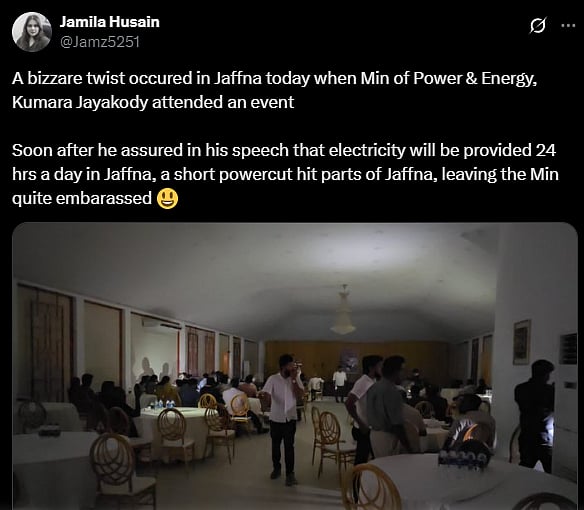
Last Saturday, Sri Lanka’s Power and Energy Minister Kumara Jayakody visited Jaffna, located in the Northern Province of the country. During the visit, he gave a speech at an event where he assured that electricity would be provided for 24 hours a day in Jaffna. Unfortunately, just after the minister made this promise, a short powercut hit parts of Jaffna including the event venue, leaving the minister (and the public) in the dark about whether these promises would be realised.
From the archive
Waiting for disaster (August 2015)
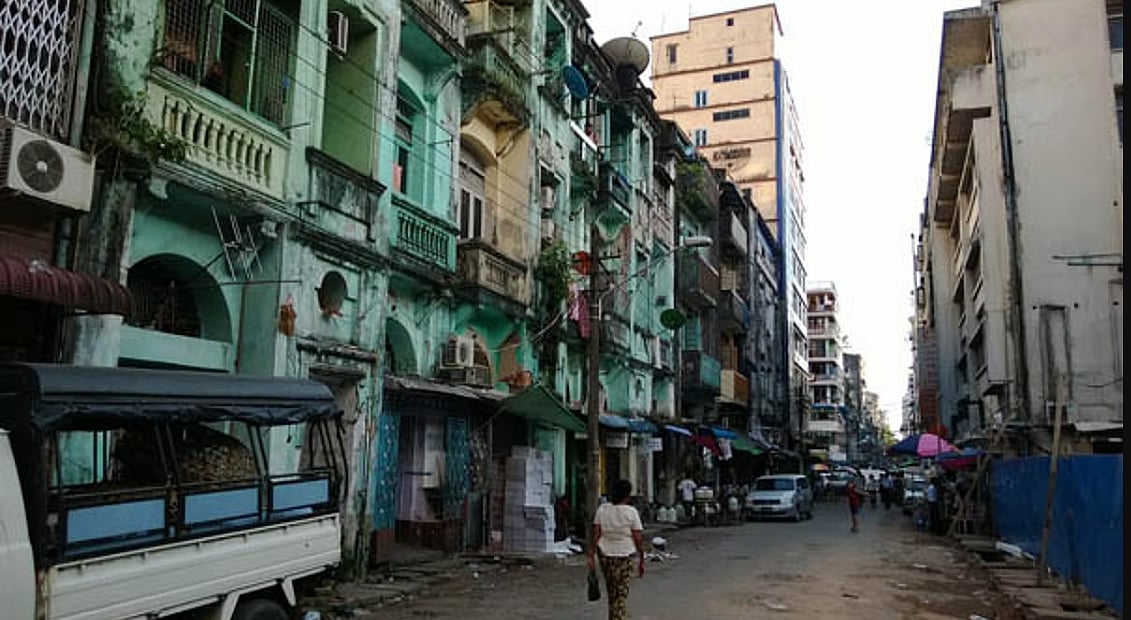
In light of the devastating earthquake in Myanmar, Morley J Weston’s article from 2015 makes for relevant reading. Weston writes about how Myanmar had learned little from the impacts of Cyclone Nargis in 2008, with most buildings not constructed to minimum standards. Weston also writes about a 2011 earthquake which led to 151 deaths, due to poor infrastructure and difficulty in sharing information - factors that remain relevant even in 2025.