
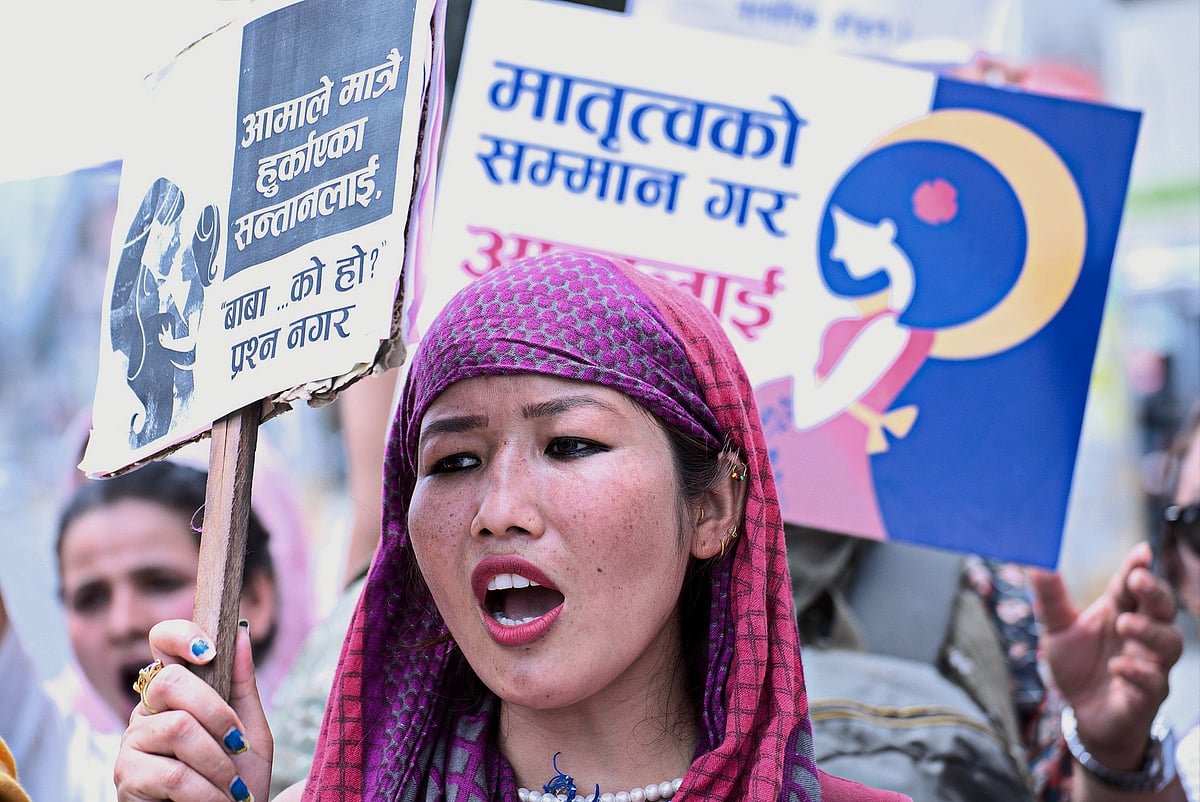
In September 2015, Nepal passed a new Constitution that was over seven years in the making. Among other concerns, including the perceived gerrymandering at the heart of the new federal structure, many Nepalis protested the promulgation of the Constitution because it denied women equal citizenship rights. The issue of citizenship has continued to be one of enormous political concern, embroiled in debates about nationalism and patriarchy. In June 2020, it came to the fore yet again after lawmakers proposed an amendment to the country's citizenship laws to restrict the acquisition of citizenship papers. In addition to criticism within the country, the bill also attracted international attention, with UN rapporteurs writing to the government with concerns that it appeared to be "discriminatory against women, trans and gender-diverse persons" and non-compliant with international human rights norms and standards.
Most activists and critics have tended to see Nepal's restrictive citizenship provisions through the lens of gender discrimination. But in Nepal, gender discrimination has been inextricably linked with an ethnocentric bias against Nepalis living in the country's southern region of Madhes. An historical overview of formal citizenship in Nepal shows that Nepal has seen periods of both expansion and restriction – and these have corresponded with the success of progressive social movements, or the rise of reactionary politics governed by an ethnocentric, patriarchal ethos.
Narrowing definitions
The history of formal citizenship papers in Nepal is less than 70 years old, with the first ever Citizenship Act being drafted in 1952. During the Rana regime, a period of autocratic rule that lasted from 1846 to 1951, the political system was based on orthodox caste-based Hindu social and legal codes. People living in Nepal were tax-paying subjects rather than citizens in any modern sense of the word. Beginning in 1951, some democratic practices were adopted, which included a multiparty political system, periodic elections, an independent judiciary, modern bureaucracy, and the granting of citizenship documents.