
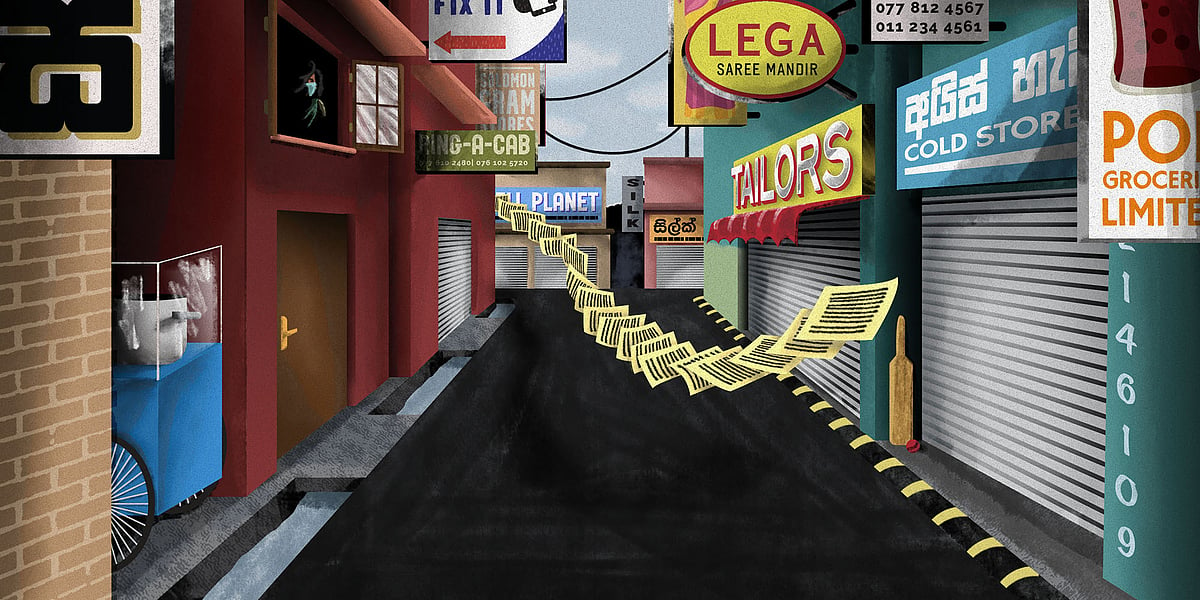
"What will the world after COVID-19 look like?" Even before the extent of the outbreak was clear, this question took up column and screen space in major publications almost everywhere. It was a natural question for the media ecosystem to generate. The answers, we were told, were natural too: closed borders, national brinkmanship, and another fillip to the global turn towards authoritarianism.
Unsurprisingly, governments around the world, including those in Southasia, haven't veered far away from those predictions. However, if the last year of living through a pandemic has taught us anything, it is that the roots and results of our current issue, pardon the pun, respect no border. A certain kind of 'realism', with its faith in hard boundaries and nationalist solutions, seems to provide only an illusion of safety. Southasia needs a more inspired search for solutions.
So what other ways are there of imagining a post-pandemic Southasia, at a time when we are already overwhelmed with information about COVID-19? Are there 'Southasian' ways of talking about our collective futures? How will it transform relations between states and societies? And what kinds of imprints will this public-health crisis leave on our personal and political lives? These were some of the questions that guided us as we put together Unmasking Southasia: The pandemic issue.
We begin the series in conversation with environmental historian Sunil Amrith, who discusses the links between ecology, migration and global public-health in the current crisis. His observation that several critical phenomena – climatic, migratory, or epidemiological – don't conform to nation states and borders, provides a useful anchor for the rest of the series.