
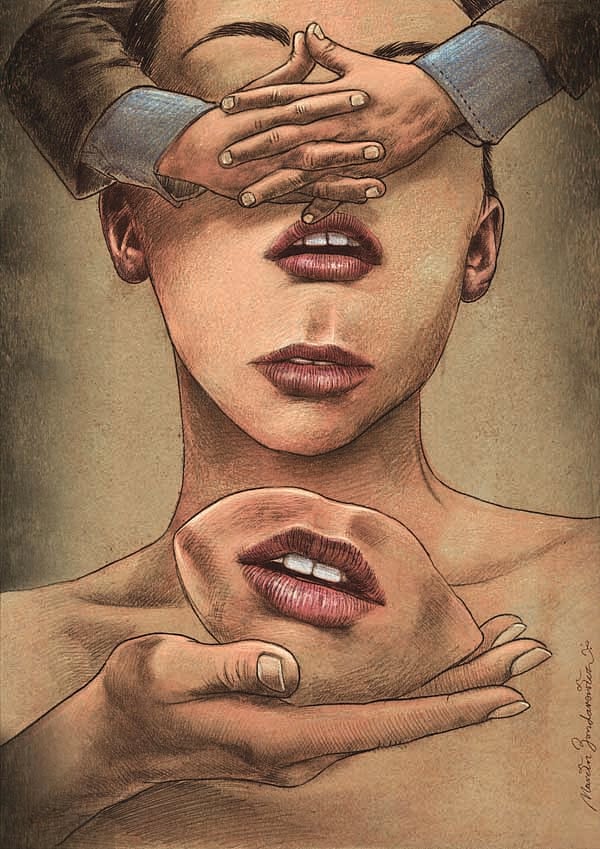
One of the peculiar debates that dominates Indian public discourse is about tolerance. Are Indians tolerant? Or intolerant? Are they tolerant because they are nice? Or do they have karmic indifference about what happens? And is tolerance a good virtue? Is it good to tolerate the bad? Or should we be intolerant of the bad? And how dare someone call us intolerant, aren't we tolerant?
Semantics apart, there is a deeper narrative, soaked in the nation's insecurity and existential angst, as it turns 70 and reaches a point where the old appears to be disappearing fast, and what is new and emergent makes many deeply uncomfortable. At one level it is a comment on the Indian National Congress' decline and the Bharatiya Janata Party's (BJP) rise: the Congress is now reduced to double-digits in the 545 seat Lok Sabha, and the BJP, despite having won only 31 percent of the popular vote has, given the oddities of the first-past-the-post system – and a deeply fragmented opposition – secured a massive majority of seats not enjoyed by a party since 1984. But beyond that, it is also a clash about that much-debated phrase, the idea of India: is it secular or Hindu? Multi-everything or unitary? And do the minorities in the country live in India by right or is that a privilege granted to them?
FACT AND FICTION
Articles on Freedom of ExpressionThis article is from our final issue 'Fact and Fiction'. The quarterly issue has articles on freedom of expression and collection of fiction from the Southasia. Other articles on freedom of expression include:
The business of news – Sukumar Muralidharan