
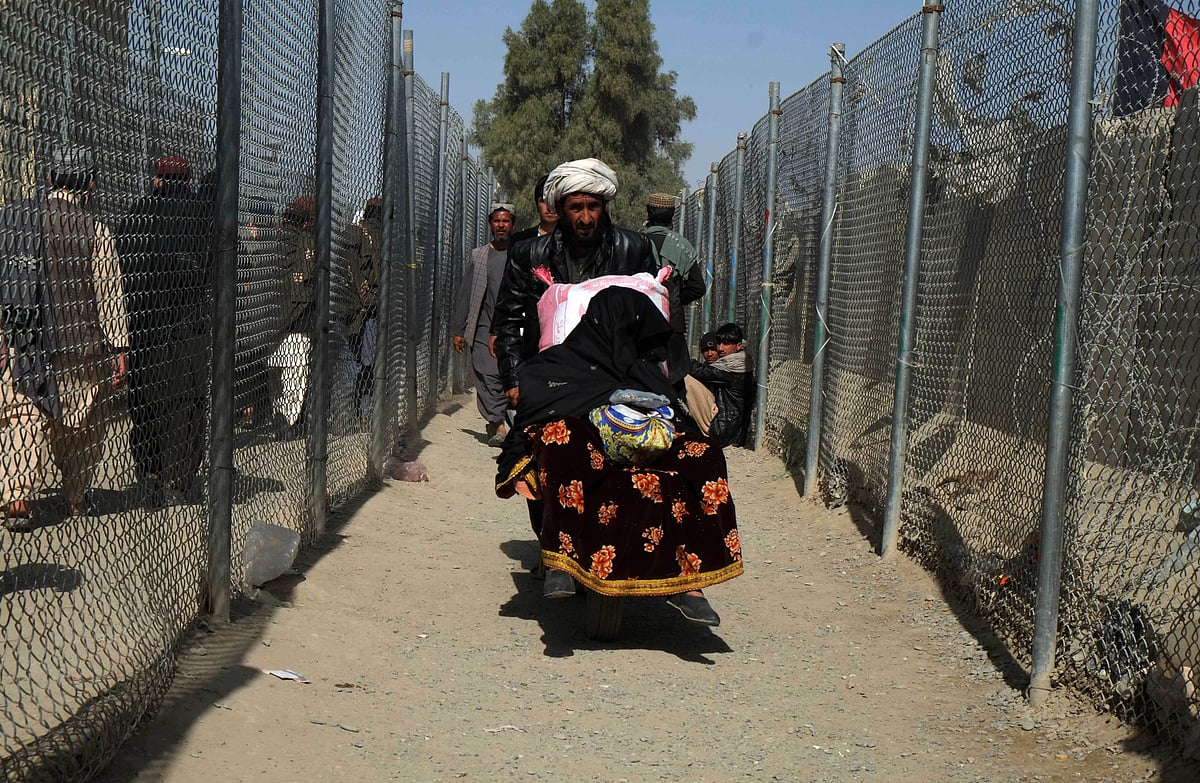
ZARA BIBI, a 29-year-old resident of Karachi Malir, in Pakistan’s Sindh province, is deeply frightened by the possibility of their family being deported. Bibi’s family, originally from Afghanistan, hold Afghan Citizen Cards (ACC), issued by the Pakistan government in 2017 during a drive to provide documentation to unregistered Afghan migrants. As such, they hoped that they would not be forced to leave Sindh when Pakistan first announced its intention to deport all “undocumented” Afghan migrants by the end of October 2023. But those hopes were short-lived, as Zara’s husband was detained by the police in Karachi despite holding an ACC.
“My spouse was arrested unlawfully, and we had a difficult time getting him released,” Bibi recounted. While the family was eventually able to secure his release, news of a fresh wave of deportations shattered their illusions of safety. “We are so worried about what we are going to do in Afghanistan as we are born and raised here.”
Zara Bibi is not alone in her concerns. Last year, Pakistan carried out a first wave of deportations of Afghans living in the country, thought to number some 4 million in total. At least 515, 000 people returned to Afghanistan between September 2023 and February 2024, according to the International Organization for Migration. The fresh wave of deportations, set to begin after 15 April, will impact as many as 880,000 refugees who received ACCs in 2017. Of these, women are particularly at risk once they return to Afghanistan, where the Taliban government is imposing increasing restrictions on women’s freedoms, including their rights to work, receive an education and enter public spaces.
“The announcements of deportations in various phases worsen the existing unstable circumstances of Afghan refugees in Pakistan and risk their lives,” Moniza Kakar, a lawyer and refugee advocate, said. She added that journalists and musicians also face serious risks upon returning to Afghanistan given Taliban-imposed restrictions on press freedom and music, considered to be un-Islamic by the regime.