
This week at Himal
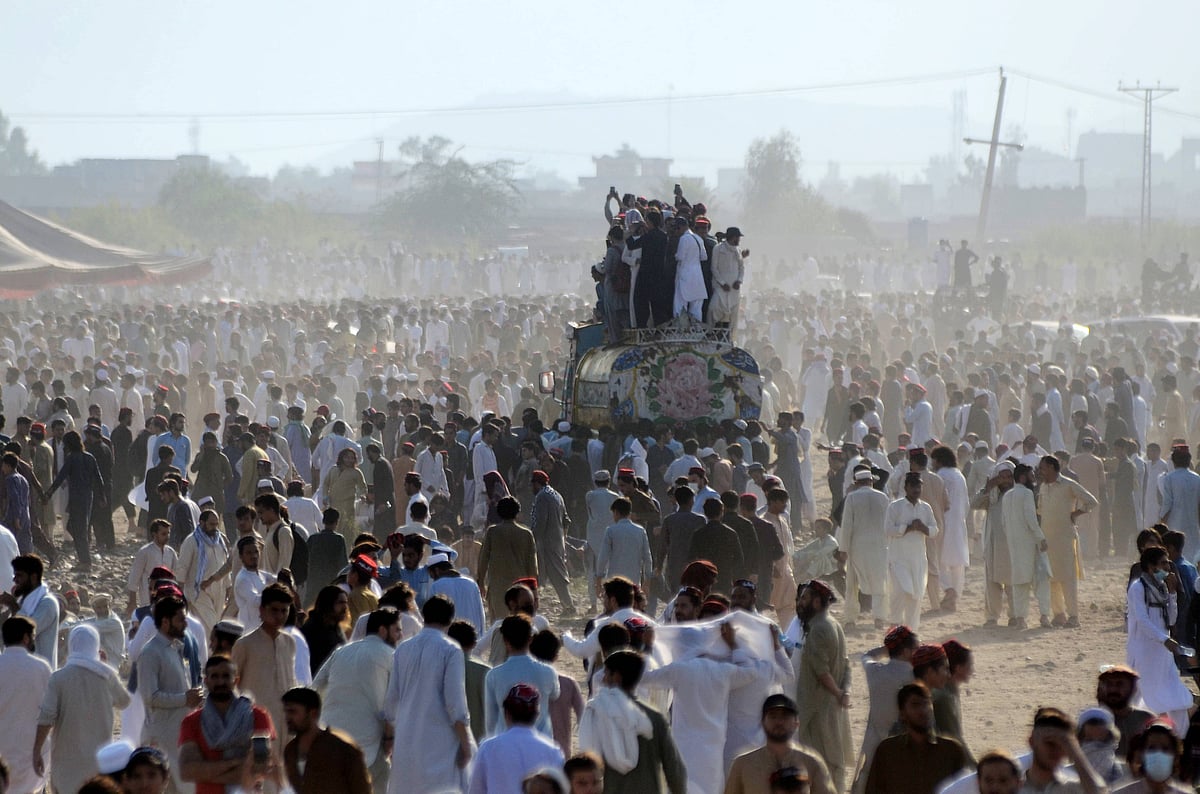
This week, Hurmat Ali Shah writes about the government ban imposed on the Pashtun Tahafuz Movement ahead of their three day jirga, a restorative justice mechanism which saw the Pashtuns finding new ways to organise and articulate the losses they have experienced at the hands of the Pakistan government and militant groups.
For our next Podcast of the Week, host of the State of Southasia podcast Nayantara Narayanan will be talking to Hurmat Ali Shah about the ban on the Pashtun Tahafuz Movement and what the future of the movement might look like.
The ‘Festival of Ideas’ organised by the Bandaranaike Centre for International Studies has also released its full line up of events - click here to browse through, and don’t forget to sign up for our panel discussion on 29 November here.

Manage your preferences here.
Also read: Sri Lankan Muslims’ lasting pain over Covid-era forced cremations
Also read: Pakistan’s futile ban on the PTM fails to stop a major consolidation of the Pashtun struggle
This week in Southasia

Uncertainty in Bangladesh as student protesters attempt to ban 10 political parties
Last week, hundreds of protesters stormed the presidential palace in Bangladesh, demanding President Mohammed Shahabuddin’s resignation. While the political parties struggled to reach consensus, impatient members of the Anti Discrimination Students Movement filed writ petitions seeking to ban all political activities of the Awami League and 10 other political parties, as well as the Awami-League affiliated Bangladesh Chhatra League student union, and cancel the results of the past three elections under the Awami League government. Two days later, the writ petitions were withdrawn, with members of the movement telling press that the petition had been hastily submitted and had included some political parties that had supported the protesting students.
The events underscore the uncertainty that prevails in Bangladesh, which remains under the control of an interim government that continues to make explosive revelations about Hasina’s regime. On Monday, Bangladesh’s new central bank chief revealed that tycoons linked to Hasina had siphoned as much as USD 17 billion (approximately 2 trillion takas), with Mohammed Saiful Alam, founder and chair of industrial conglomerate S Alam directly implicated (Alam has denied the allegations). In the meantime, a former deputy commissioner was the first to be brought before the International Crimes Tribunal, in investigating the violence perpetrated by the Awami League against the student protesters in July. Bangladesh’s interim leader Muhammad Yunus has yet to lay out a timeline for elections, saying that the interim cabinet plans to implement reforms before deciding on a date. However, questions have been raised about the recruitment process and inclusivity of the reform commissions, placing the interim administration under heightened pressure.

Elsewhere in Southasia 📡
- Canada claims Indian Home Minister Amit Shah involved in campaign of violence, intimidation and intelligence-gathering targeting pro-Khalistan leaders in Canada. New Delhi has dismissed Canada’s claims as baseless
- UK, EU and Canada impose new sanctions targeting suppliers of military equipment and aviation fuel to Myanmar’s military regime citing “gross human rights violations”, including airstrikes on civilians
- Human rights lawyers Imaan Zainab Mazari-Hazir and husband Hadi Ali arrested under anti-terrorism laws for removing road barriers during English cricket team’s visit, human rights watchdogs say violation of due process
- Sri Lankan intelligence officials claim they thwarted plot to attack Israelis in Sri Lanka, after multiple countries issue security alert; tourism authorities highlight tensions around illegal tourist-run businesses
- Pakistan Tehreek-e-Insaaf announces large protest in Peshawar after reports that former Prime Minister Imran Khan denied visitation rights, electricity in his cell for two weeks
- Sri Lanka halts transport of pigs as African swine fever spreads across farms in several provinces; nearly a thousand cases reported. Director General of the Department of Animal Production and Health Hemali Kothalawala advises caution in consuming pork
- Maldives proposes state budget exceeding MVR 60 billion - the highest ever - despite facing external debt servicing obligations of USD 600 million in 2025
- Ten police personnel shot dead by a militant attack claimed by the Pakistani Taliban in northwestern Pakistan near the Afghan border
- Nepal plans to start hearing cases on first consumer court in December, nearly three years after Supreme Court order due to frequent government changes
- Investigation finds Bengaluru officials are demanding interfaith couples bring parents as witnesses to register their marriages, citing Karnataka Protection of Right to Freedom of Religion Act placing further barriers to interfaith couples
Only in Southasia
This week, singer and motivational speaker Jaya Koshari came under the spotlight when she was spotted carrying a custom Dior book tote valued at around INR 200,000 at the airport. Critics questioned Koshari, who preaches non-materialism, on her sartorial choice. Some also questioned why she would choose to carry a leather bag as a (self-proclaimed) devotee of Lord Krishna. While some of the criticism may have been rooted in misogyny or Hindu nationalism, Koshari's response didn't help matters - she said she was 'a normal girl' who worked hard, adding that the tote had been made without leather as per her wishes. She added that she never claimed to be a saint - a spiritually sound argument.

Got a meme or satirical post you'd like to share? Send us a meme that made you laugh from the past week here.
From the archive
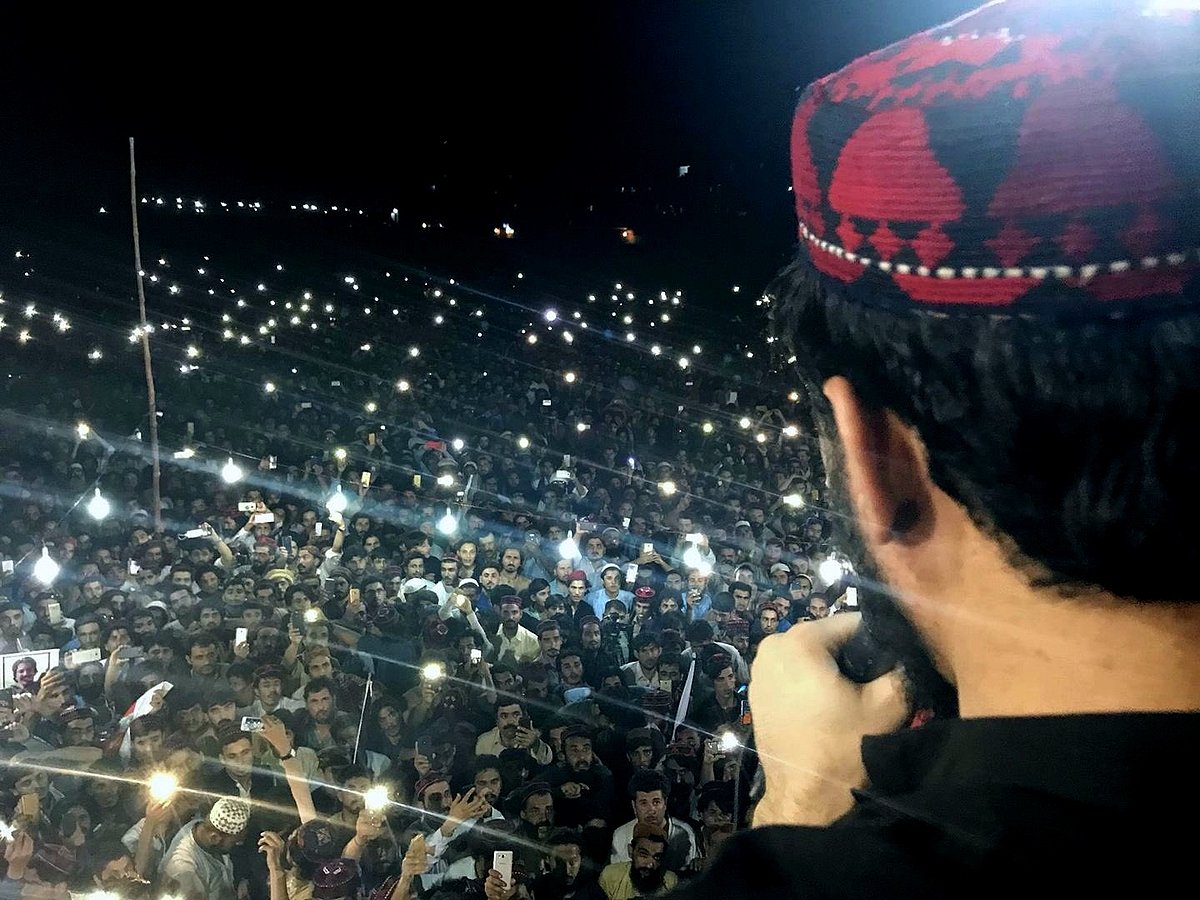
Anatomy of a political moment (June 2018)
Given Pakistan's ban imposed on the Pashtun Tahafuz Movement, Sarah Eleazar and Sher Ali Khan's article from 2018 is worth revisiting. The authors trace the emergence of the PTM as it challenged the status quo, and the government's early attempts to crack down on the movement. They highlight that the PTM was challenging military authority in a way that had not been done before.