
(This is an essay from our print quarterly 'Growing Media, Shrinking Spaces'. See more from the issue here.)
It was Geo against the world. The lead up to the suspension of the licence of Pakistan's largest broadcaster and one-time bastion of independent media was anti-climactic, and in many ways symbolic of how politics works in Pakistan.
Once praised for its efforts in bringing an end to the rule of dictator Pervez Musharraf, the channel drove popular perceptions among the urban and peri-urban masses by speaking the language of anti-corruption and rule of law. By 2009, Geo's attention had turned towards the new president, Asif Ali Zardari, for whom the channel's coverage, some argued, was comparable to a trial by media. The media environment by then had even been noted by former US Secretary of State Hillary Clinton, who referred to the Pakistan media as increasingly, "freewheeling… free, [and] quite influential".
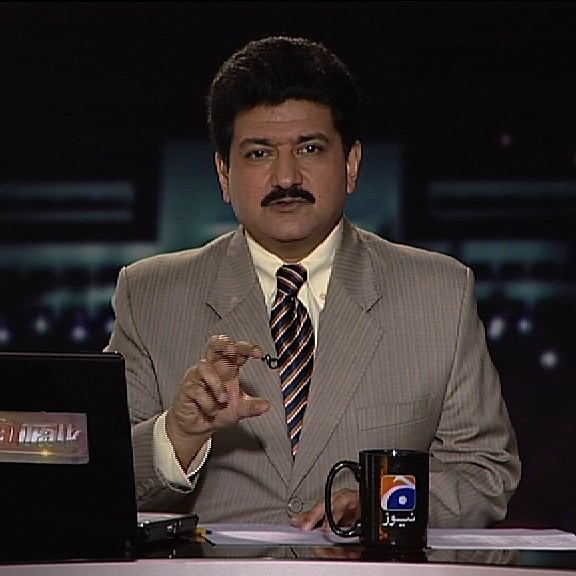
The recent controversy surrounding Geo, sparked after the channel depicted the director general of the Inter-Services Intelligence (ISI) as a key suspect in an attack on journalist Hamid Mir, came at a greater cost than the channel had anticipated. Employing a range of conciliatory measures, Geo did all it could to appease the ISI. Despite its flurry of apologies, the question was never one of whether or not Geo would be suspended or banned; it was simply a question of when.