
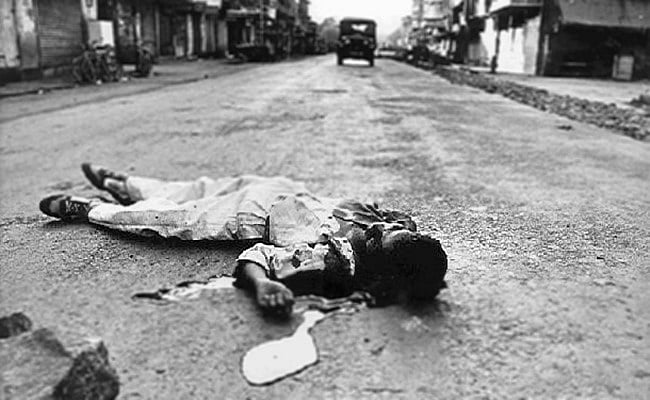
There are several things I wish I did not remember of the Bombay riots of 1992-93. One of them is that during those tumultuous days, my family's nameplate disappeared from the board in the foyer listing the families who lived in our South Mumbai building. It was probably removed by the building society or secretary, as was the case in many other Mumbai buildings with Muslim families at the time. To the day my parents left that house almost eight years later, our nameplate did not reappear on that board.
The fact that our names never went back up on the board has always upset me more than their quick removal during the riots. At the time, it had seemed a pragmatic move. But its continued absence even years after the violence – during which my family had to swiftly relocate, carrying only a ration card and a few clothes – became a painful reminder that as the only Muslim family in the building, we had been 'othered', and our religious identity now overshadowed all our other qualifications. Our house was no longer our home and our city had changed forever.
Journalist Meena Menon's insightful book Riots and After in Mumbai brings back many memories that I wish could have remained buried. Most Mumbai Muslims carry the scars of 1992-93 riots, if not on their bodies then certainly in their hearts and minds. These are scars of deep hurt and resignation, of immeasurable sadness and nostalgia. For many of us, the riots were and continue to be the most significant event in our lives.
No wonder then, that Menon's painstaking labour of love – which puts on record the events of that dreadful winter and also investigates what happened to those affected in the years that followed – was initially met with scepticism and hostility. Some asked why Menon wanted to make them remember things that they would rather not. It is a credit to Menon's tenacity that she looked beyond the limits of daily news stories like those she had filed during the riots and managed to document an amazing array of personal interviews with both Muslim and Hindu riot survivors from across the city.