
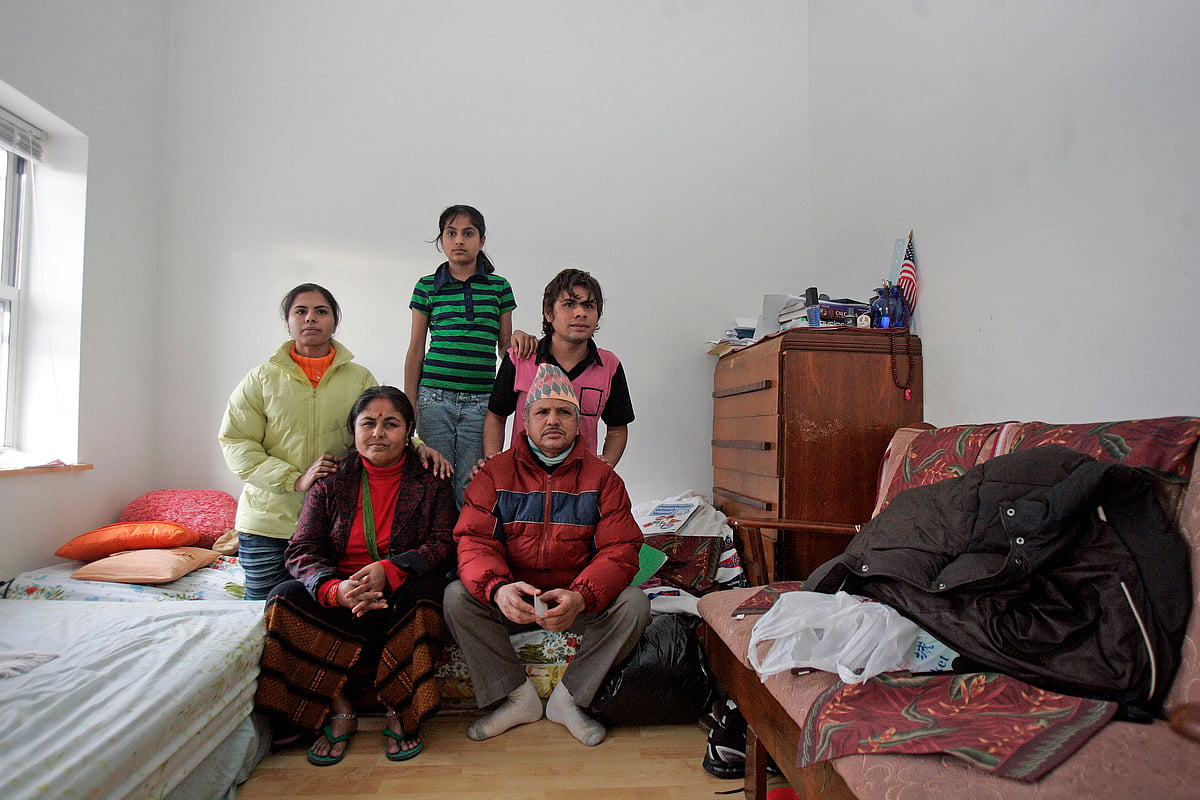
In the introduction to her book The Ecosystem of Exile Politics: Why Proximity and Precarity Matter for Bhutan’s Homeland Activists, Susan Banki, a researcher of the international refugee system, tells the story of Bhakta Ghimire, a homeland activist from the community of Nepali-speaking Bhutanese. In the early 1990s, Ghimire was a young man working in a cement factory in Samste, in southern Bhutan. One day, he heard rumours that Bhutan’s ethnic Nepalis – also known as the Lhotshampa – were being evicted from their homes following a national census exercise. He rushed to his parents house to find it empty, crossed into India to find them, and eventually joined the stream of Nepali Bhutanese leaving Bhutan.
Tens of thousands of Nepali-speaking Bhutanese were forced to flee their homes in southern Bhutan after a citizenship policy disenfranchised them, a cultural policy imposed Bhutan’s dominant Drukpa traditions – including clothing norms – on them, and a census exercise forced them from their homes. These families have lived as refugees in Nepal, India and other parts of the world – many in precarious conditions in refugee camps, others resettling in countries such as the United States and Australia. And activists like Ghimire have been asking for the right to return to Bhutan.
On this episode of State of Southasia, Banki speaks to Nayantara Narayanan about the status of these refugees today, the history of the Lhotshampa question and why Bhutan’s king and government are missing an opportunity by not reaching out to the Nepali Bhutanese community amid Bhutan’s current economic troubles. She says that Bhutan’s Nepali-speaking diaspora, created by the expulsion and refugee crisis of the 1990s, can help the country’s tottering economy with remittances and through exchange programmes, if the government were to reach out to them.
State of Southasia releases a new interview every two weeks.
This podcast is now available on Spotify, Apple podcasts and Youtube.
Episode notes
Further reading from Himal’s archives:
Himal founding editor Kanak Mani Dixit’s series from 1992 on the question of Bhutan’s ethnic Nepali community
The dragon bites its tail – Part I
The dragon bites its tail – Part II
The dragon bites its tail – Part III
More from Bhutan
Bhutan took a step towards queer rights, but its LGBTIQ+ people want a giant leap
The path to women’s political participation in Bhutan
More on refugees in Southasia
The Weed Woman: How a sharp-tongued refugee made a forest of the Bangla language
Afghan refugees’ stories of food – and home
How Thailand and India continue to fail Myanmar refugees
Pakistan’s brutal deportation of Afghans widens to target registered migrants and refugees
Sign up for Himal’s newsletters here to get updates on our latest podcasts.