
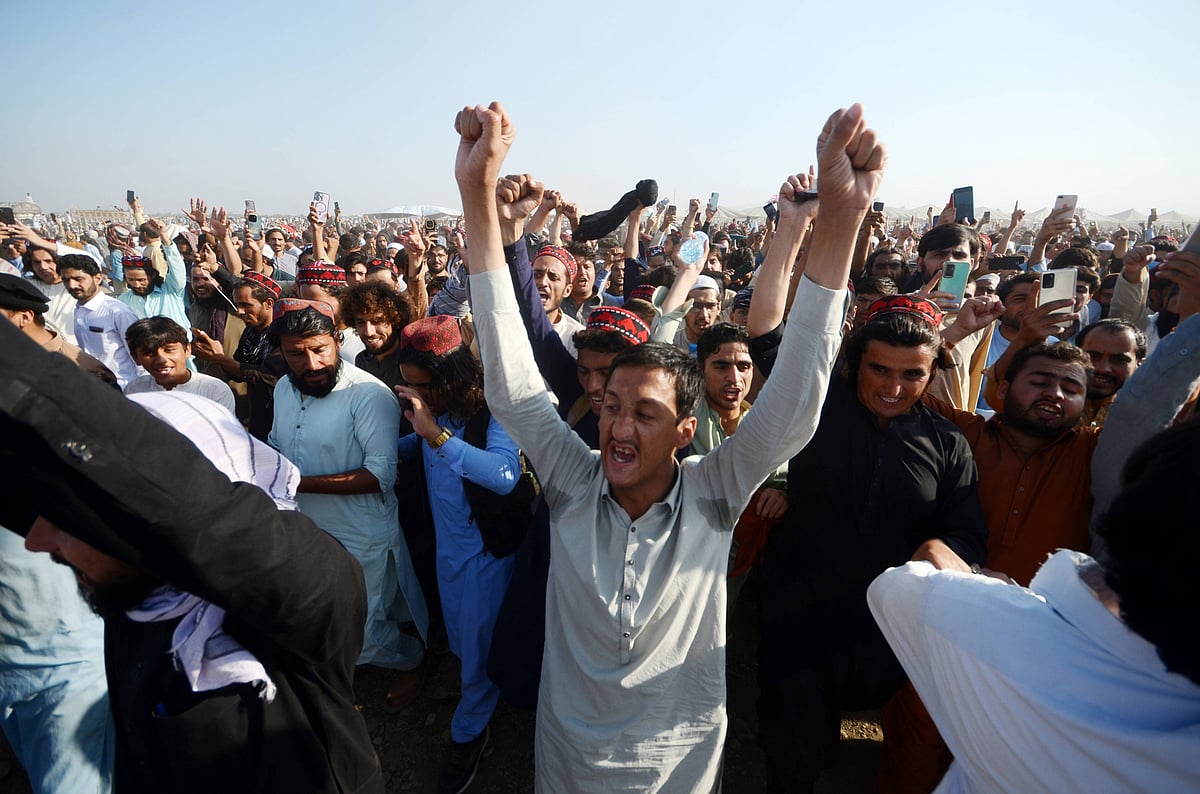
In January 2018, Naqeebullah Mehsud, a young Pashtun from Waziristan was killed at the hands of police in Karachi. The incident triggered mass protests by Pashtuns, the ethnic community to which Mehsud belonged, which then consolidated into the Pashtun Tahafuz Movement (PTM). Pashtuns had for decades alleged and protested extra judicial killings and enforced disappearances by Pakistan’s security forces. However, in 2018, thousands joined the protests and civil society across Pakistan supported the movement.
The Pashtun community is the second largest ethnic group in Pakistan, making up about 15 percent of the country’s population. They have been viewed with suspicion by the Pakistani state because of their ethnic and cultural ties with Pashtuns across the border in Afghanistan. They have been caught in conflicts from the Afghan jihad of the 1980s to the War on Terror in the 2000s.
In 2014, a group of Mehsud students came together to demand safety and security of Pashtuns and formed the Mehsud Tahafuz Movement (MTM). In 2018, after the killing of Naqeebullah Mehsud, the MTM organised a Pashtun Long March through Pashtun-majority areas all the way to Islamabad. The march grew as families of the “disappeared” joined them in the thousands and the movement become the PTM. The Pakistan government tried its best to stop the march and stifle the 2018 protests. In a piece for Himal Southasian at the time, Sara Eleazar and Sher Ali Khan write about “reports of harassment and threatening phone calls from intelligence agencies and policemen to activists, journalists, professors, Pashtun university students, traders and even labourers in Lahore's Walled City flooded social media.”
The state tried to crack down on the PTM again in October when it announced a ban on the movement, calling it a threat to national security. A notification from Pakistan’s ministry of interior said that “The federal government having reasons to believe that the PTM is engaged in certain activities prejudicial to peace and security of the country [...] is pleased to list the PTM in the First Schedule as a proscribed organisation.” This came days ahead of a jirga, or consultation of the Pashtun community, about its way forward. The pushback from the community and civil society in Pakistan and abroad resulted in the government stepping back and the jirga going ahead. “All these developments point to a greater popular and political consolidation of the Pashtun struggle – something the Pakistan state and security forces will certainly see as a threat,” writes Hurmat Ali Shah in Himal Southasian.
In this episode of State of Southasia, Shah speaks to associate editor Nayantara Narayanan about how the Pakistani state has always tried to define itself as against ethnic identities and particularly the Pashtuns, the long history of systemic discrimination against the Pashtuns and how the Pashtun Tahafuz Movement has been pushing back.
State of Southasia releases a new interview every two weeks.
This podcast is now available on Spotify, Apple podcasts and Youtube.
Episode notes
Further reading from Himal’s archives:
Pakistan’s futile ban on the PTM fails to stop a major consolidation of the Pashtun struggle
Redefining citizenship in Pakistan
Interview: PTM and Pakistan’s civil-rights movement
Elite capture is the real issue plaguing Pakistan’s economy
Sign up for Himal’s newsletters here to get updates on our latest podcasts.