
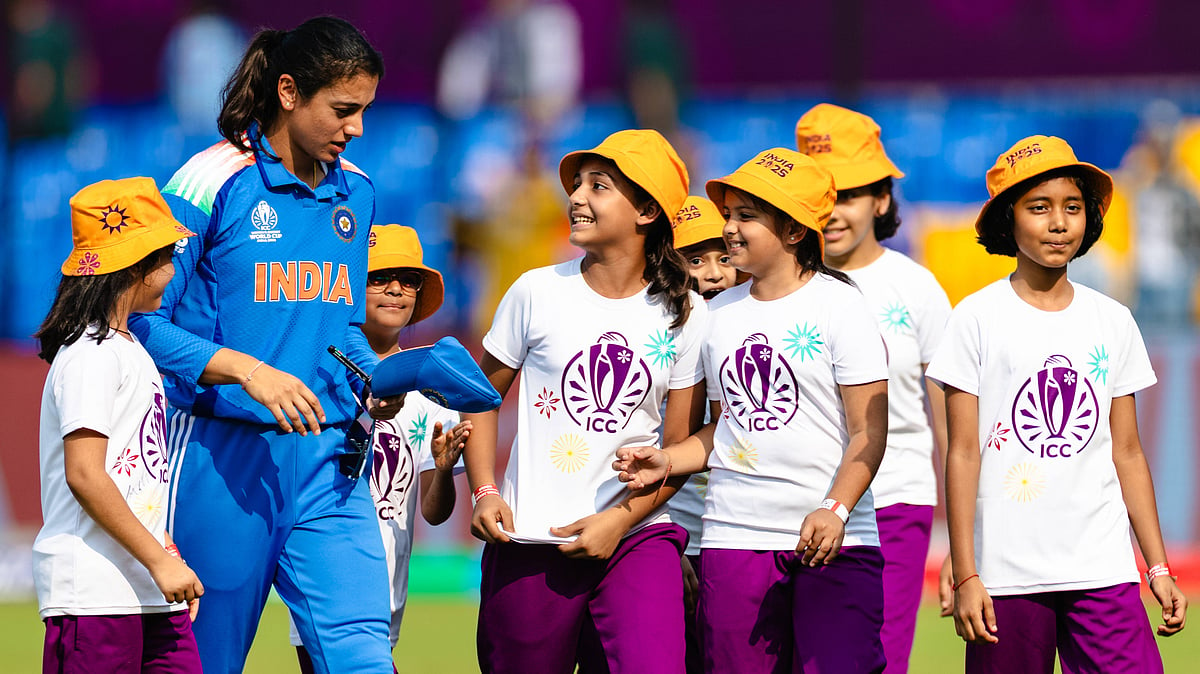
As the ICC Women’s Cricket World Cup reaches its final week, veteran sports journalist Sharda Ugra examines the progress that women’s cricket in Southasia has made in recent years – especially since 2017, when the ICC televised the tournament, drawing in a wider audience and greater interest – as well as persistent gaps shaping women’s cricket today.
In this episode of State of Southasia, Ugra reflects on the growth in performance and professionalism in women’s cricket across India, Bangladesh, Pakistan, and Sri Lanka, while also pointing to the uneven marketing, sponsorship, and administrative support that continue to hold the game back. Despite rising viewership and a handful of breakout stars, she notes that the sport still fights for the kind of institutional investment and fan enthusiasm long guaranteed to the men’s side.
Amid the challenges, there are clear signs of change – from the Women’s Premier League opening new pathways for talent to the growing visibility of women in the sport. “One of the other really good things about this World Cup has been the presence of women everywhere,” Ugra says. “You see them – they're umpires, they're match referees, they’re officials, they’re in the commentary panel. It becomes normal for women to be in this space, which is a great thing.”
Listen to the full episode on Spotify, Apple podcasts and YouTube.
State of Southasia releases a new interview every two weeks.
Episode notes:
Sharda Ugra’s recommendations:
She Dared: Women in Indian Sport – Abhishek Dubey and Sanjeeb Mukherjea (non-fiction)
Unveiling Jazba: A History of Pakistan Women’s Cricket – Aayush Puthran (non-fiction)
The Fire Burns Blue: A History of Women's Cricket in India – Karunya Keshav and Sidhanta Patnaik (non-fiction)
Free Hit – Suprita Das (non-fiction)
Further reading from Himal’s archives:
A sports journalist’s journey alongside the rise of Sri Lankan women’s cricket
The 2025 Women’s World Cup could be India’s biggest cricketing moment in over 50 years
Beyond the boundary: When a pandemic takes hold, even cricket knows when to stop buying its own hype
Cricketing rivalry with India can transform Australia’s view of Southasia – and of itself
Jasprit Bumrah embodies a better kind of Indian cricketer – and a better India