AMID GREAT GAMES and imperial wars, in a region turned upside down in recent times by the United States-led “War on Terror”, few academics and journalists from the Pashtun homelands straddling the Afghanistan–Pakistan border have been able to analyse what has been going on in their mountains. The most widely cited works on the present era come from Western academics, journalists and also military veterans – all part of the extended socio-cultural milieu of the great powers grappling for primacy here, and many affiliated with think tanks and other institutions where various strategies of the war are deliberated. As the historian Ranajit Guha notes in his essay ‘The Prose of Counter-Insurgency’, such works, even those written by non-officials, are meant primarily for official use – to inform government policies. If sometimes they do incorporate views “from the other side”, they are “prompted by administrative concern”. The prevailing global discourse on the War on Terror can also justifiably be suspected of serving the same purpose: of pushing forward more ways to tame the “uncivilised”.
The War on Terror is not merely a military campaign against Islamist organisations such as Al-Qaeda and their allies; it is also a broader project of influence and control carried out in and by the media and academia. The discourse is as much militarised as the operations on the ground. Much has been written on terrorism, its putative ideological roots in and potential link with Pashtun identity, its fallout and so forth, but seldom have these writings been examined deeply through the lens of the people they have most affected.
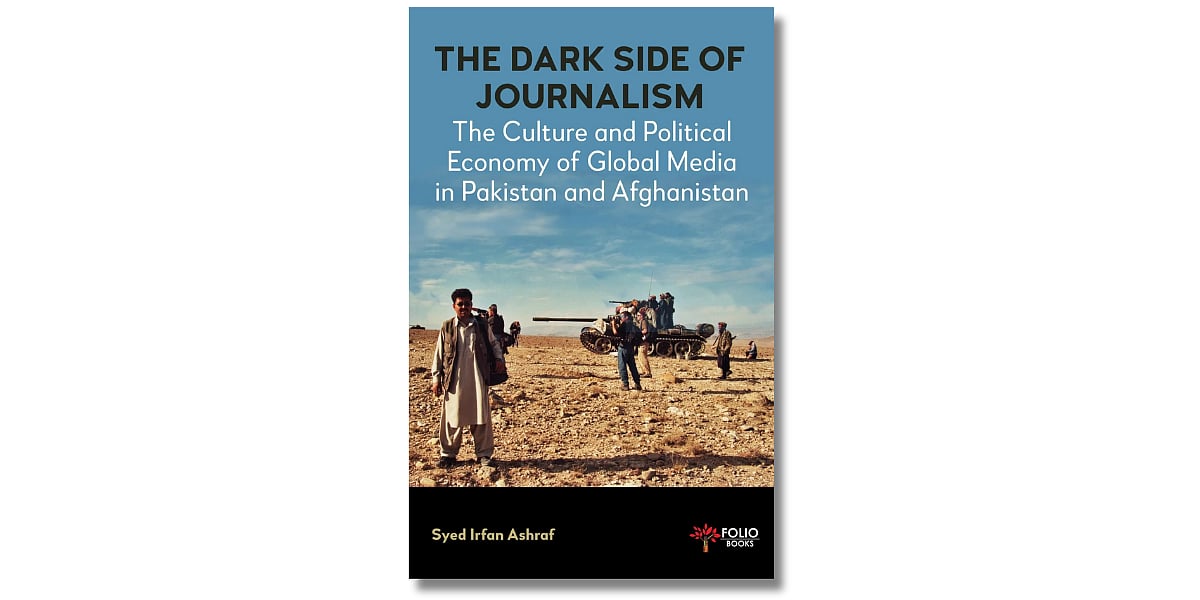
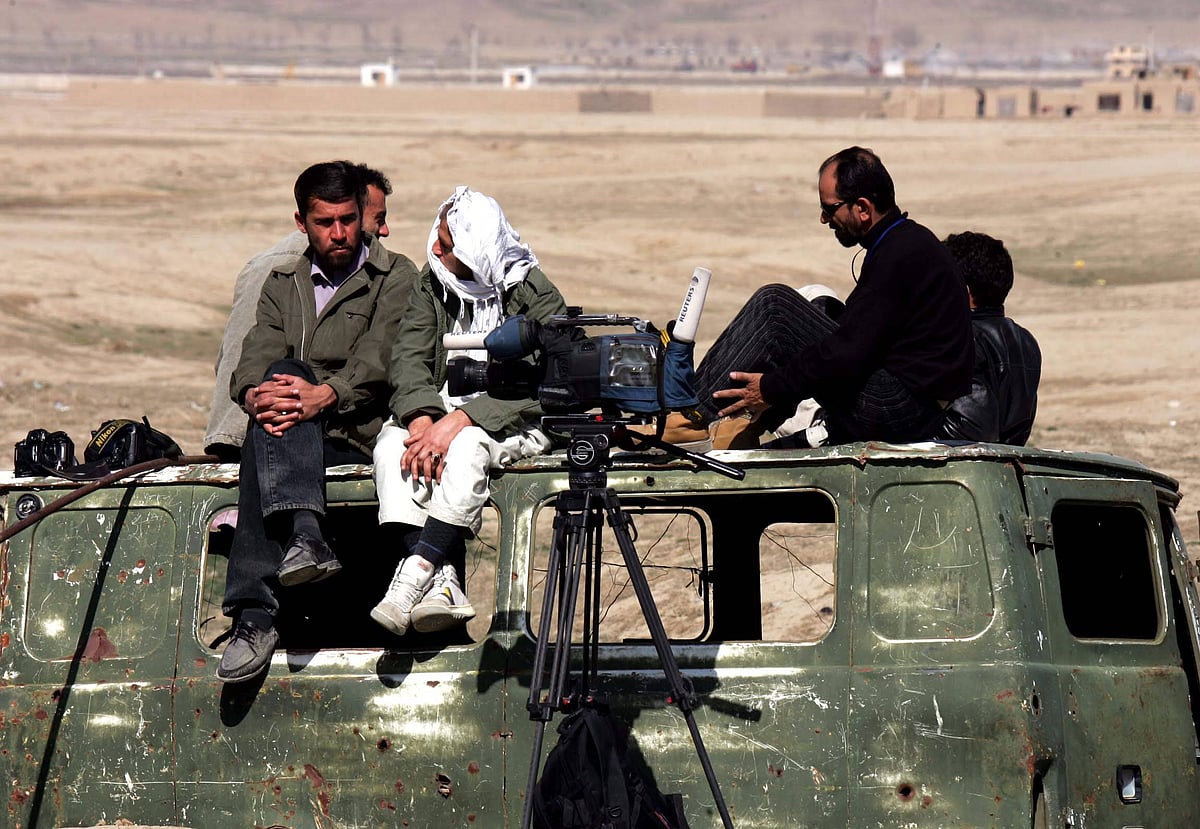
Do the media and academia bring to light the suffering of local people caught in the warfare and violence? Or do they perpetuate war by producing a worldview that normalises and necessitates violence? In his book The Dark Side of Journalism: The Culture and Political Economy of Global Media in Pakistan and Afghanistan, the journalist Syed Irfan Ashraf attempts to address these questions, and asks many more. Through the lens of local journalists, the book provides insights into the modus operandi of global media in the years after the September 11 attacks. The author himself started field reporting in 1996, and worked as a journalist with local and national newspapers in Pakistan for nearly two decades.