
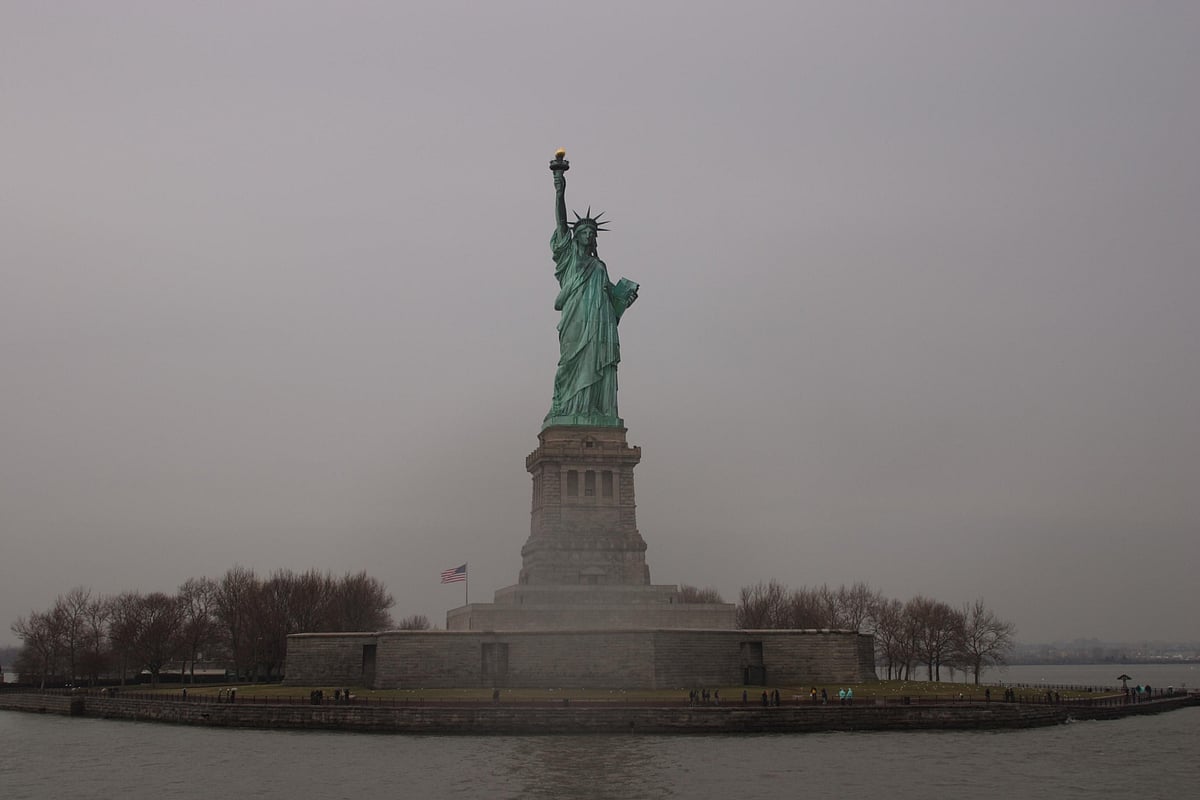
The idea of the American dream – that vague but iridescent image of the US as a cultural melting pot of opportunity and freedom – has long been an enviable and profitable one. Over the past two centuries, the American boom was largely driven by this image, which drew ambitious and talented people from across the globe, including Southasia. What allowed the US to emerge as the global soft-powerhouse, at the forefront of ideas, markets, education, science, technology and communication, however, is currently at risk of fading away.
The rise of neoconservative politics and an overwhelming dependence on unilateral military might has steadily undermined the American dream and its concomitant multiculturalism, not to mention the country's economy and international goodwill. US foreign policy is quickly losing its ability to create consensus or peace, and is increasingly defined by its capacity to create confrontation, violence and war.
If the US were to lose its global 'brain gain' appeal, it would lead to unexpected economic consequences. Given that the US remains one of the most significant global trading partners – including for India and China – the ramifications of such a downturn would have worldwide and long-term implications. The US Congressional midterm elections taking place in early November may indicate the shape of things to come. This is particularly so at a time when, as the 2008 presidential campaign is already gearing up, the ruling Republican party is experiencing drastically low popularity numbers. This may be due to stalled foreign policy or the incontrovertible domestic economic slowdown.
In an effort to shore up support, George W Bush recently boasted that "the economy is powerful, productive and prosperous". The reality, however, is far from soothing. With an estimated growth of 3.5 percent this year, unemployment at just 4.6 percent and fat profits all around, the economy certainly seems robust. But the US trade deficit, both in absolute size and as a percentage of GDP, is unprecedented. It reached USD 800 billion in 2005 – almost seven percent of GDP – and has accumulated USD 4.5 trillion since 1990. Scrap metal and waste paper are now two of the US's biggest export items. Former Federal Reserve chairman Paul Volcker puts the chances of a major financial crisis in the US within four years at 75 percent.