
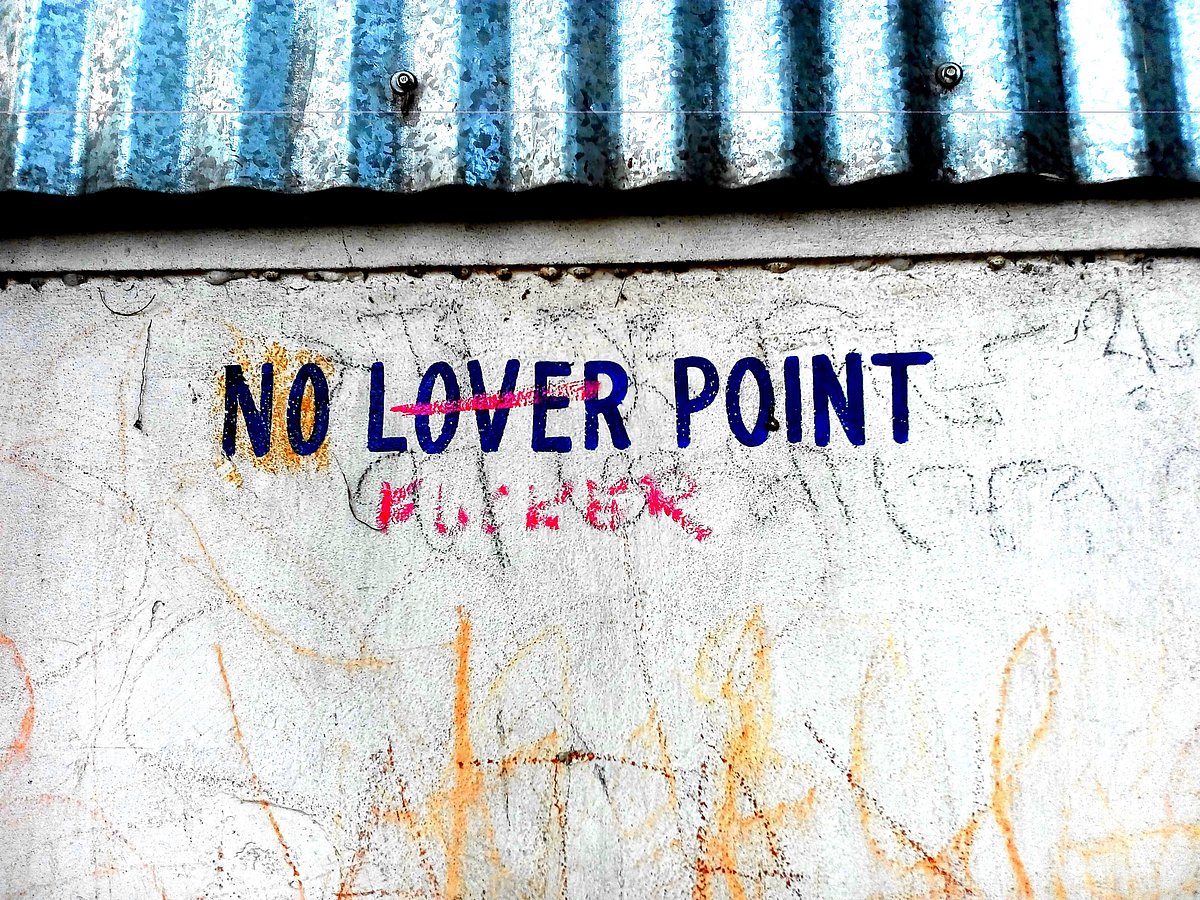
Growing up in Calcutta, walking through neighbourhood streets, one sometimes overheard a belligerent threat spilling out of a street-fight: "Beshi kawtha bolle mukher geography paalte debo!" – "if you talk too much I will change the geography of your face!" Pursued or not, the implication of the threat was that it would be a change for the worse. Over the last decade or so, the 'geography' of Calcutta's face has been changed considerably, and proactively, by the present regime – for the better, one would say. And among many changes, a visible one has been wrought on the Rabindra Sarobar lakes (formerly known as the Dhakuria lakes) in the south of the city, now prettified beyond recognition from a few years ago.
An artificial waterbody dredged out of marshy lands around 1920, the area of the 'lakes' stretches over 192 acres. The Kolkata Improvement Trust, a century-old statutory body under the West Bengal government, was entrusted with its improvement and beautification plan worth INR 200 million (USD 3 million), on which work began in early 2014. Perceived as West Bengal Chief Minister Mamata Banerjee's biggest gift to southern Calcutta, it is one among many that 'Didi' has presented the city with, to make it look and feel lighter, brighter, better.
One would have to be churlish to think that, amid choking urban cement sprawl and automobile fumes, a clean space to soak up the sight of placid grey-green waters, and walk, rest, nap, exercise, gossip or read is unwelcome. In fact, hundreds of old and young people swarming to the lakes from dawn till night is proof of how precious this space has become for people, this freshly-revived 'lung' on the southern side of a gasping metropolis.
And yet, cities and their public spaces are palimpsests, developing, growing, changing – layer by layer – acquiring new faces, perhaps even new dreams, but never quite losing what has gone before. Around these jewel-like lakes of Calcutta, other lives – secret, illegitimate lives – continue to lurk and peep from the most unexpected corners, as one rounds a bend or takes a few steps clear of the perfectly laid-out walkways. For some, those glimpses – broken bits of religion and stolen kisses which have provoked stern police warnings – are what make the lakes a real, breathing, colourful, rotten place still. Those outliers to the anodyne jogging paths are what draw some back to the lakes when pleasure in the stiflingly pleasant begins to wane.