
This week at Himal
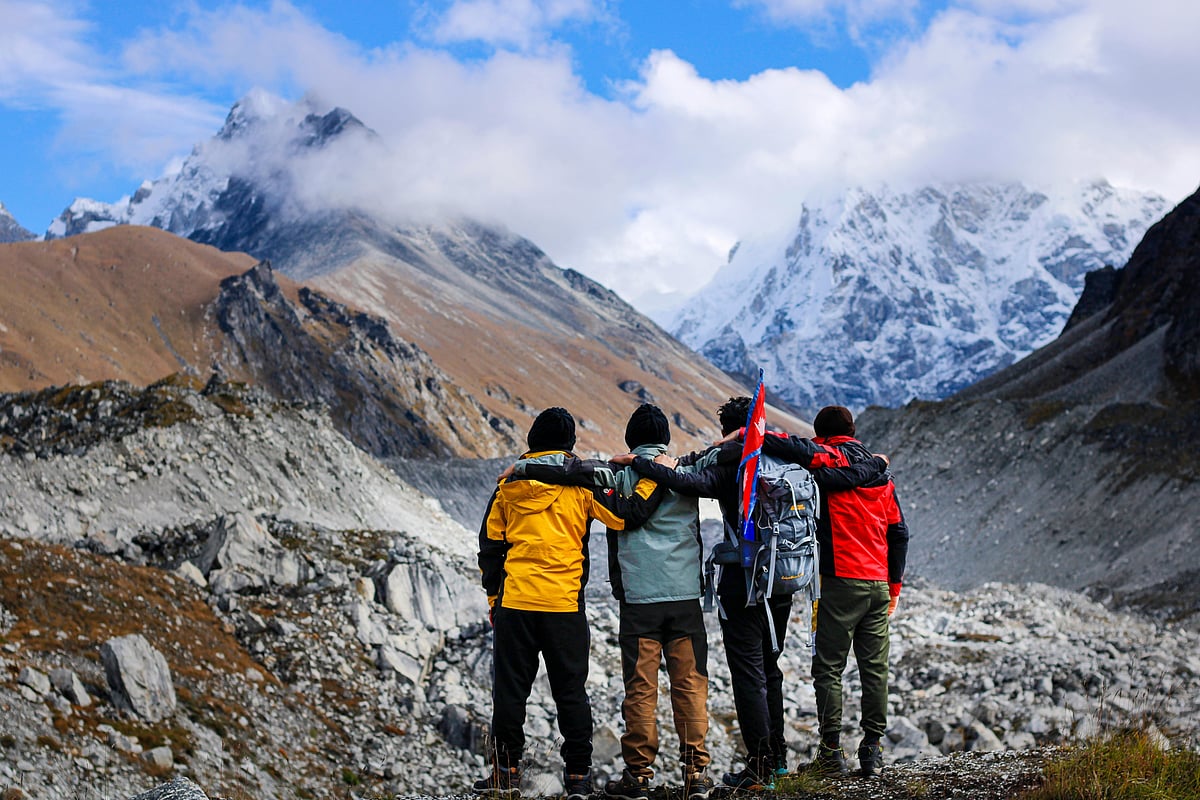
This week saw Manjushree Thapa reflect on mortality, nationality and a changing Nepal. In a poignant essay, Thapa deftly weaves political commentary and personal reflections with descriptions of other trekkers and the shifting landscape.
Veteran Tamil politician R Sampanthan passed away in Sri Lanka in June. Mario Arulthas and Madura Rasaratnam write that while Sampanthan’s death prompted glowing tributes from Colombo, it was received with relative indifference by the wider Tamil community, reflecting growing frustrations with the Tamil National Alliance’s compromises with the Sri Lankan state.
S Harikrishnan writes about legendary cartoonist Attupurathu Mathew Abraham – or Abu Abraham, as he was popularly known – and his many creative tensions - as cartoonist and parliamentarian, patriot and cosmopolitan, revealing his humanist lens on Indian and global politics. Harikrishnan’s piece is timely in light of a recent retrospective on Abraham’s work in Kerala.
In case you missed our most recent edition of Screen Southasia featuring Chaumtoli Huq talking about her documentary Sramik Awaaz (Worker’s Voices), it’s now available on YouTube.
Also read: Tamil politics in Sri Lanka after R Sampanthan, the elder statesman that never was
Also read: Why the legendary cartoonist Abu Abraham still matters
Also read: Trekking while Nepali: A writer reckons with mortality, nationality and a changing Nepal
This week in Southasia
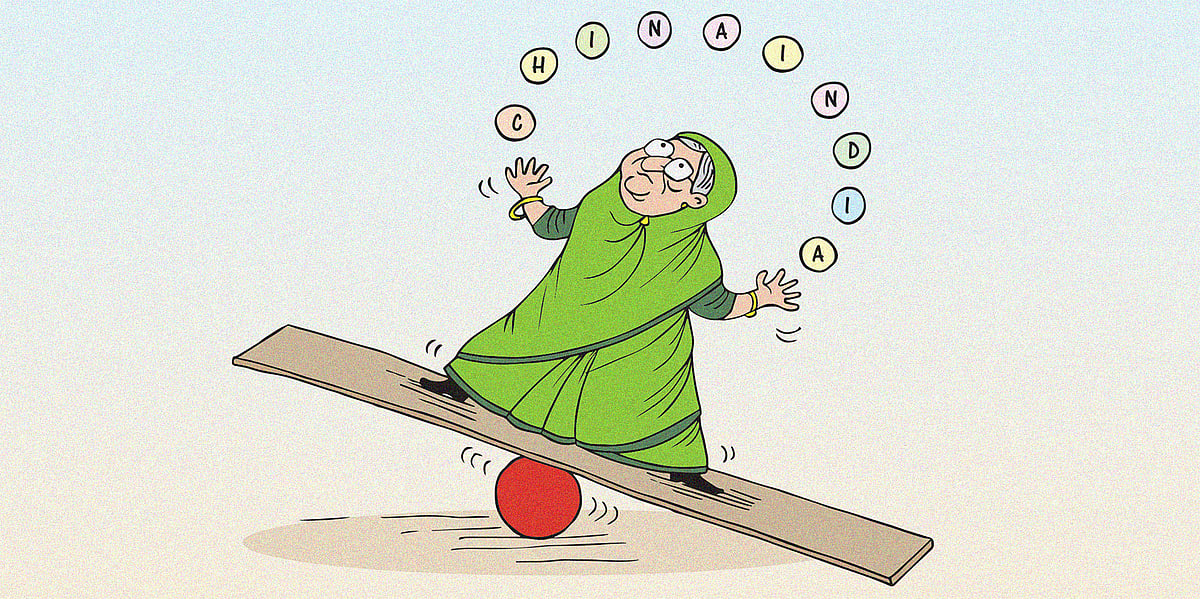
Bangladesh's balancing act on Teesta river project
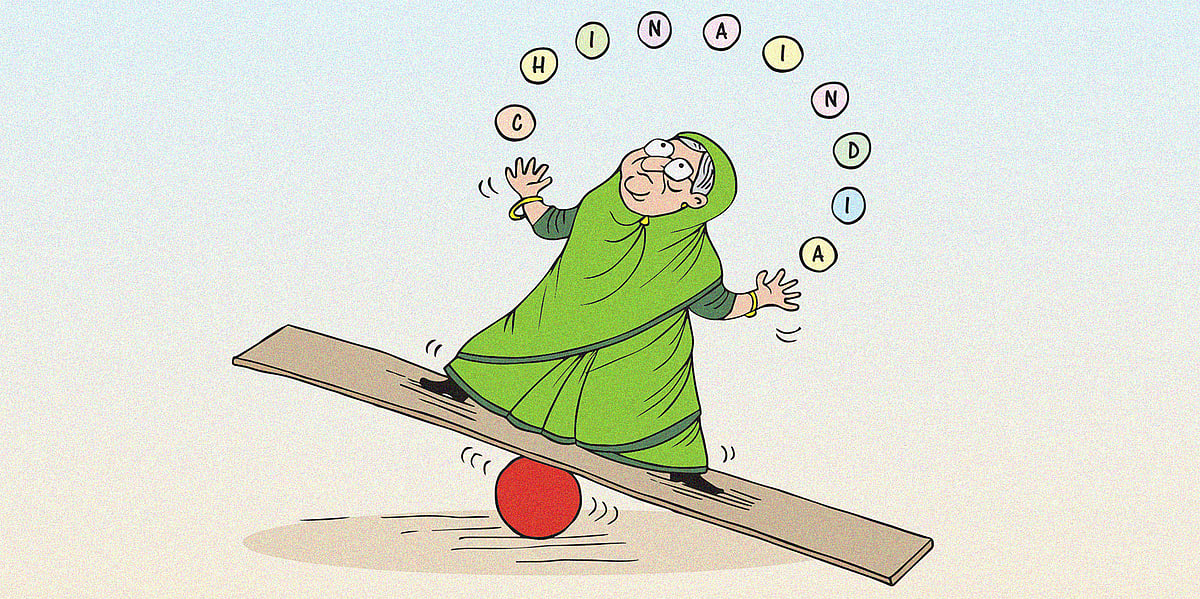
This week, Bangladesh’s Prime Minister Sheikh Hasina visited Beijing, announcing at least 7 new projects in fields ranging from banking to disaster management and the digital economy, a sign of deepening ties between the two countries. Hasina’s visit comes days after a visit to New Delhi, marking her first bilateral visit since Bangladesh’s parliamentary elections. Hasina’s state visits have revived discussion around the Teesta river project, and the complex negotiations around water-management between India and Bangladesh. West Bengal’s Chief Minister Mamata Banerjee continues to voice opposition to sharing water resources, saying that the current agreement benefits Bangladesh and would leave residents of north Bengal without water.
Analysts have said Hasina’s trip to China is part of the ‘balancing act’ around strategic ties with both India and China. While Bangladesh and India’s ties have deepened, particularly during Modi’s regime, China is Bangladesh’s largest trading partner and a major investor in the country. One month ago, India also expressed interest in participating in the project, saying they would send a technical team to Dhaka. Negotiations between India and Bangladesh surrounding the Teesta project have a long history. While both India and China vie to further their geopolitical interests, Hasina’s ability to manage relations with both countries is being tested.

Elsewhere in Southasia 📡
- India’s prime minister Modi visits Russia, signs 9 deals on trade, climate amidst war in Ukraine. Russia says they will release Indians ‘duped’ into fighting in its army weeks one month after Sri Lanka makes similar request
- Pakistan extends stay of registered Afghan refugees for one year after intervention of UN High Commissioner for Refugees, allaying registered migrants' fears of deportation to Afghanistan
- Bhutanese government frees political prisoner Ram Bahadur Rai after 32 years, reviving discussion on 1990s-era forced displacement of Nepali-speaking Bhutanes
- Seven journalists killed in Pakistan in first six months of 2024, media watchdog flags “widespread impunity” for perpetrators
- Maldives President Mohammed Muizzu seeks parliamentary approval for cooperation with Sri Lanka on criminal investigations
- Media watchdogs accuse Uttar Pradesh police of ‘grave overreach’ after cases filed against journalists highlighting lynching of Muslim man on social media
- Dengue cases surge in several Nepali districts with 18 infections reported a day, but infection cases may be underreported as only 18 health facilities report to the Health Office Kathmandu
- Maldives government drafts asset recovery bill to reclaim state funds and property lost to fraud and corruption, part of a broader effort to ensure accountability amidst criticism of delays in implementation
- Myanmar junta’s Vice-senior General Soe Win arrives in China as clashes with armed groups intensify in Shan state as tens of thousands flee the capital of Lashio after collapse of a China-brokered ceasefire
- Afghan authorities slash salaries of female government workers forced to stay home since the Taliban seized power, leading to strikes by hospital workers
- Over 200 Sri Lankan public sector unions including postal workers, surveyors and agricultural officers go on strike demanding salary increase; in retaliation, Cabinet approves salary increment for all non-striking workers
Only in Southasia
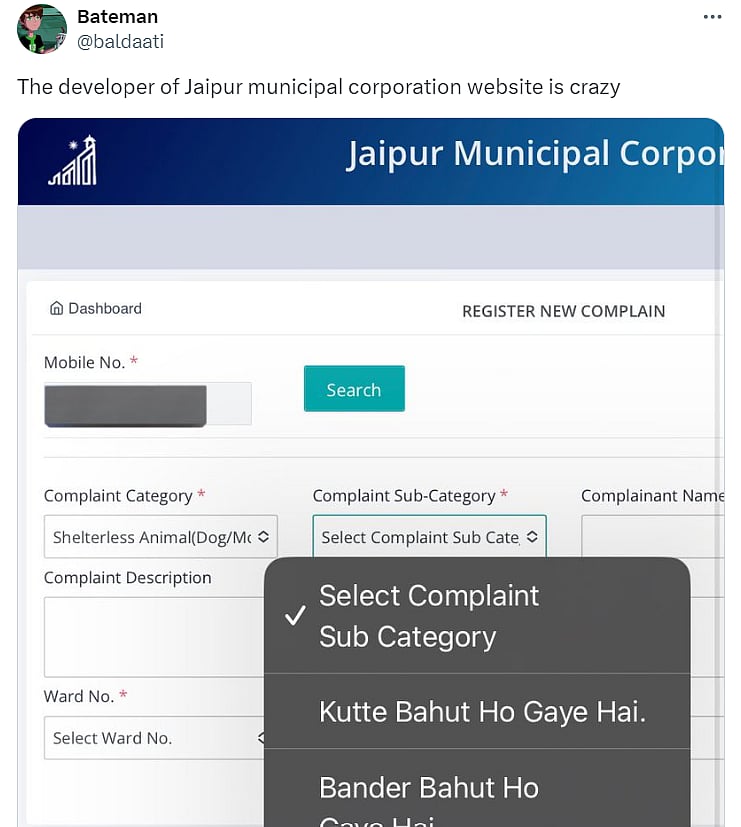
This week, Jaipur’s Municipal Corporation’s website drew amusement on social media due to its unique way of categorising civic complaints. The Municipal Corporation used Hinglish to get its message across. Among the categories for complaints were ‘Kutta pagal ho gaya hai, pakadwana hai’, (a dog has gone mad, must be caught), Suwar marr gaya hai’ (a pig has died), ‘Parking ke jayda paise maang rahe hai’ (overcharging for parking) ‘Colony ka main gate tuta hua hai’ (the main gate of the colony is broken). While the categories drew amusement, others pointed out that the simple language made filing civic complaints, usually a cumbersome and bureaucratic process, a little more straightforward. We think perhaps more government bodies should try a similar approach!
From the archive
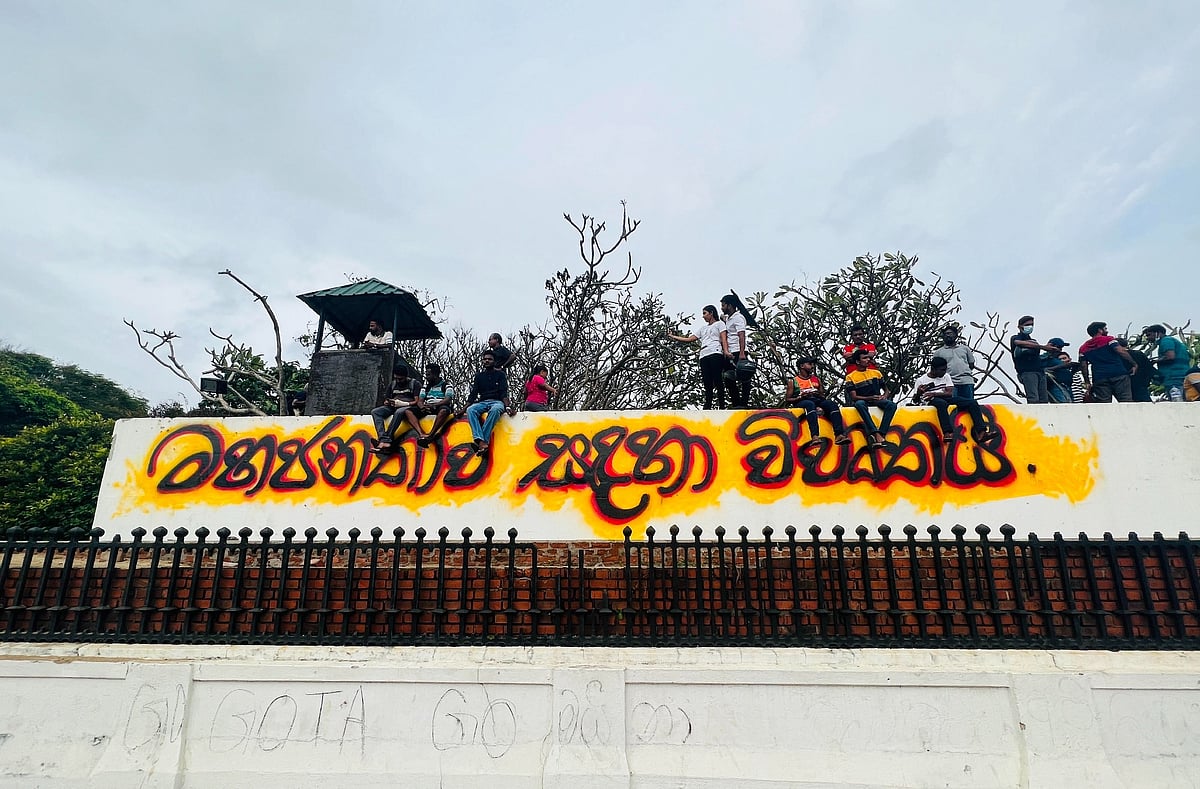
Notes on the Sri Lankan struggle (August 2022)
9 July marks two years since mass protests in Sri Lanka caused former President Gotabaya Rajapaksa to step down from power. In this light, Marlon Ariyasinghe’s article written in the aftermath of the 9 July ‘Country to Colombo’ protests is worth revisiting. Ariyasinghe provides an insider’s view of the police brutality and growing public consciousness (sparked by economic crisis) that marked the Aragalaya (Struggle). Ariyasinghe notes that elections may be the only way to extricate the country from its current political impasse.