
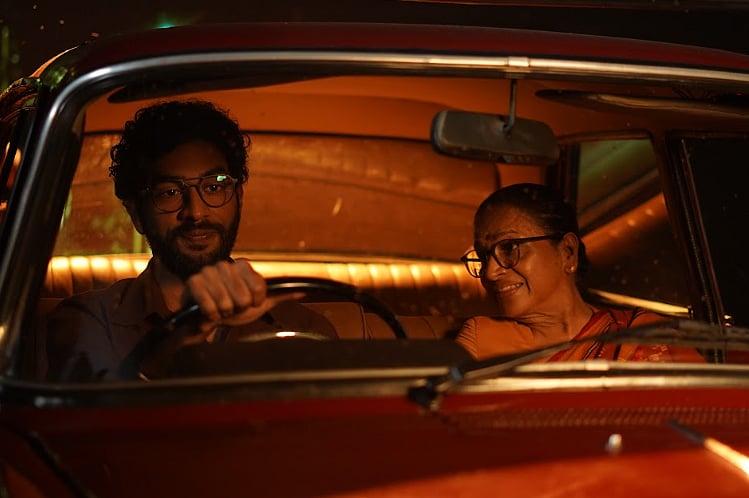
AT THE START of Rani, a new Sri Lankan film directed by Asoka Handagama, an armed group arrives at the journalist and human-rights activist Richard de Zoysa’s home in suburban Colombo and kidnaps him at gunpoint, despite his mother’s pleas. Two days later, a body is found washed ashore on a strip of beach. It is eventually identified as belonging to de Zoysa. These details reflect real life, retracing the abduction and murder of de Zoysa on 18 February 1990. He was 32 years old at the time.
Coming from two reputed Colombo families – his grandfather and one uncle were legislators, other uncles lawyers and one a well-known Inspector General of Police – de Zoysa had entitlement and privilege. He was educated at the most coveted private school in the country at the time and came of age acting in Shakespeare plays and composing English poetry, while moving among influential friends who had access to Sri Lanka’s statesmen. This milieu was only remotely affected by the rampant and murderous impunity in Sri Lanka, where tens of thousands were extrajudicially killed between 1987 and 1990. In the end, his privileges did not protect him.
De Zoysa’s killing still haunts Sri Lanka as a symbol of this impunity, which continued after his death and into another dark chapter of state-sanctioned violence during and after Sri Lanka’s Civil War. Decades after his abduction and murder, he has been subject to a new wave of posthumous attention – boosted in no small part by Shehan Karunatilaka’s Chats with the Dead, adapted for an international audience as the Booker Prize-winning The Seven Moons of Maali Almeida, which features a protagonist who bears some similarities to de Zoysa. Rani is the latest work to wade in and to add to the corpus on de Zoysa’s life and work.
The film has engaged and stirred public attention in Sri Lanka for several key reasons. Among them is its political commentary on one of Sri Lanka’s darkest decades – the 1980s, which saw the government battling both the leftist insurgents of the Janatha Vimukthi Peramuna (JVP) and the separatist Liberation Tigers of Tamil Eelam – and its particular take on a high-profile murder that intrigued both local and international interest. There is also its controversial portrayal of de Zoysa’s mother, Manorani Saravanamuttu, widely known for her long fight for justice for her murdered son.