
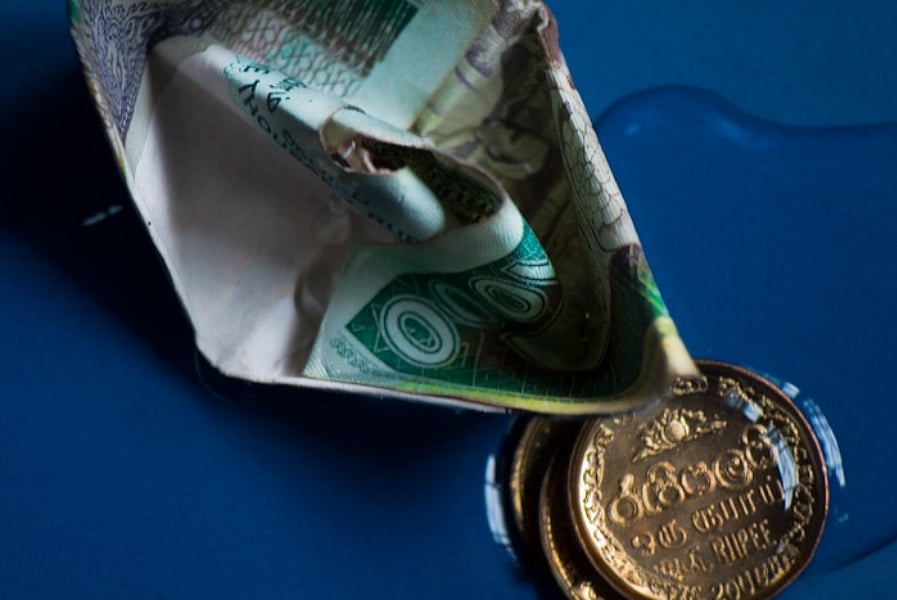
Over the past several months, stories about Sri Lanka's deepening economic crisis were prominent in regional and global media. Yet much of the coverage converges on the symptoms of the crisis, from the country's large foriegn-debt burden, depletion of foreign exchange reserves to challenges in meeting its energy needs. However, questions about long-term features of the country's political economy, and its connection to present difficulties, have largely been ignored. Have policy decisions of the past decades made the Sri Lankan economy more or less vulnerable to shocks, like those seen after the pandemic? How are experts and opinion-makers debating the economy in the public sphere? And what are the realistic choices for the present government?
These were some of the questions we discussed in our interview with Ahilan Kadirgamar, a political economist, Honorary Chairman of the Northern Co-operative Development Bank, and Senior Lecturer at the University of Jaffna. Kadirgamar provides a long view of the ongoing crises, describing not just the trajectory of the Sri Lankan economy and its structural features, but also the problems with current framings of the debate.
Himal Southasian: How would you characterise the economic challenges being faced by Sri Lanka today, and are there longer term trends in the country's political economy that might help us make sense of the present?
Ahilan Kadirgamar: This is by far the most devastating crisis Sri Lanka has faced since Independence in 1948. The current conjuncture is similar to the 1930s when Sri Lanka was not only pummelled by the Great Depression but also a malaria crisis leading to tremendous suffering. While the COVID-19 pandemic has led to both a medical emergency and considerable economic disruption, the ongoing economic crisis in Sri Lanka is much broader, and longer in the making than the pandemic.