
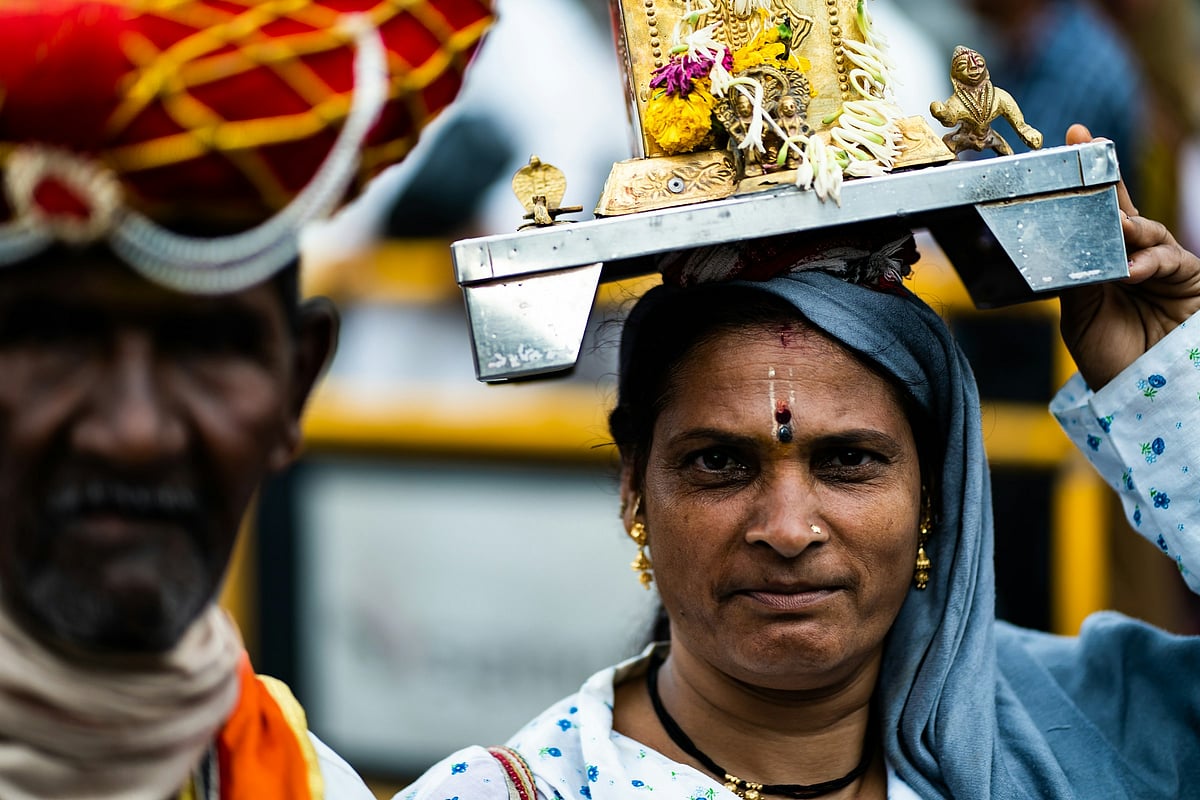
What did it mean to be “Indian” before the modern nation came into being? In this excerpt from Speaking of History: Conversations about India’s Past and Present (Penguin India, November 2025), the historian Romila Thapar and the writer and social critic Namit Arora reflect on how identities were formed, imagined and contested in early and medieval India. Ranging across foreign travel accounts, Sanskrit texts, caste hierarchies and colonial transformations, the conversation probes whether any shared sense of Indian identity existed prior to the colonial era, and why the question itself has become so politically charged today.
***
Excerpted from Speaking of History: Conversations about India’s Past and Present by Romila Thapar and Namit Arora (Penguin India, November 2025)
Namit Arora: Let me move on to the matter of Indian identity. Over the centuries, many foreign travellers passed through India: Megasthenes, the Chinese monks, Alberuni and others. These travellers noticed a cultural distinctiveness about the Subcontinent, and called its inhabitants Hindus – then a non-religious term for all peoples east of the Sindhu River in al-Hind. They saw them as different from people elsewhere in the world, though their perceptions were seemingly based on their interactions with the dominant and literate groups, or the “visible people” of the time – elite groups who created texts, monuments and other durable artefacts.