
This week at Himal
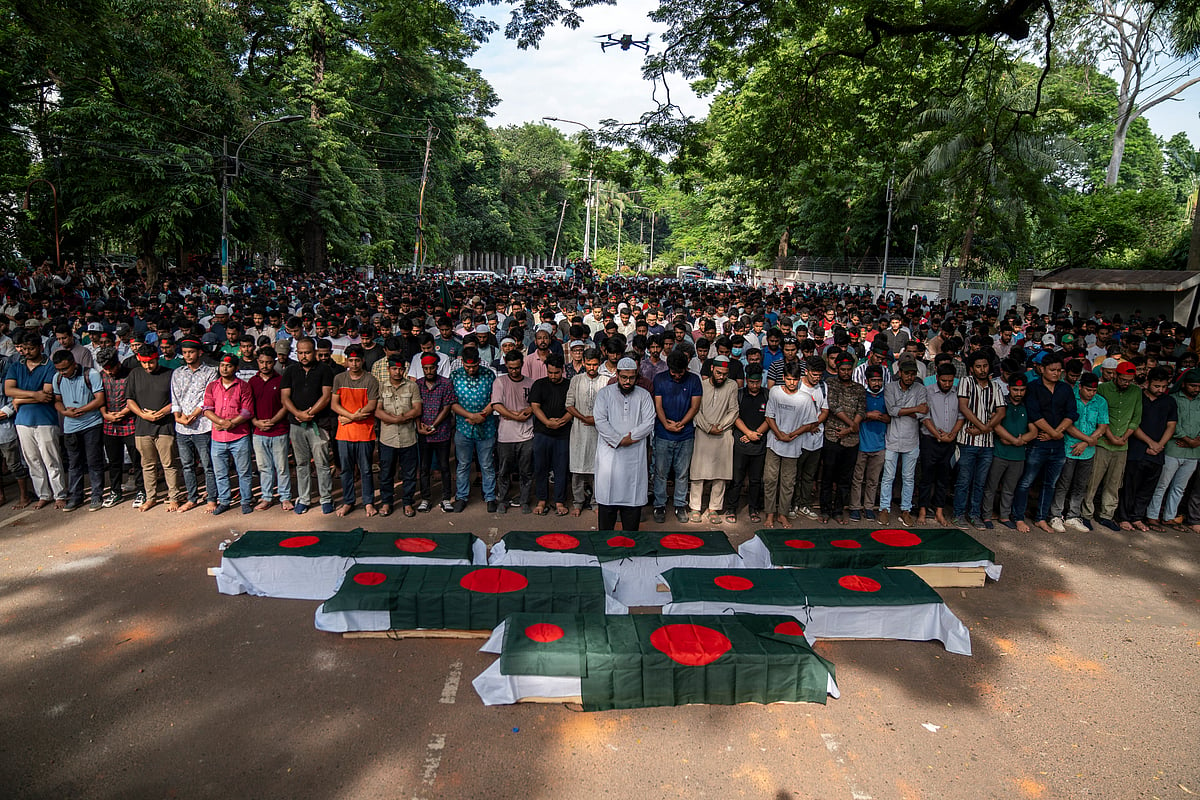
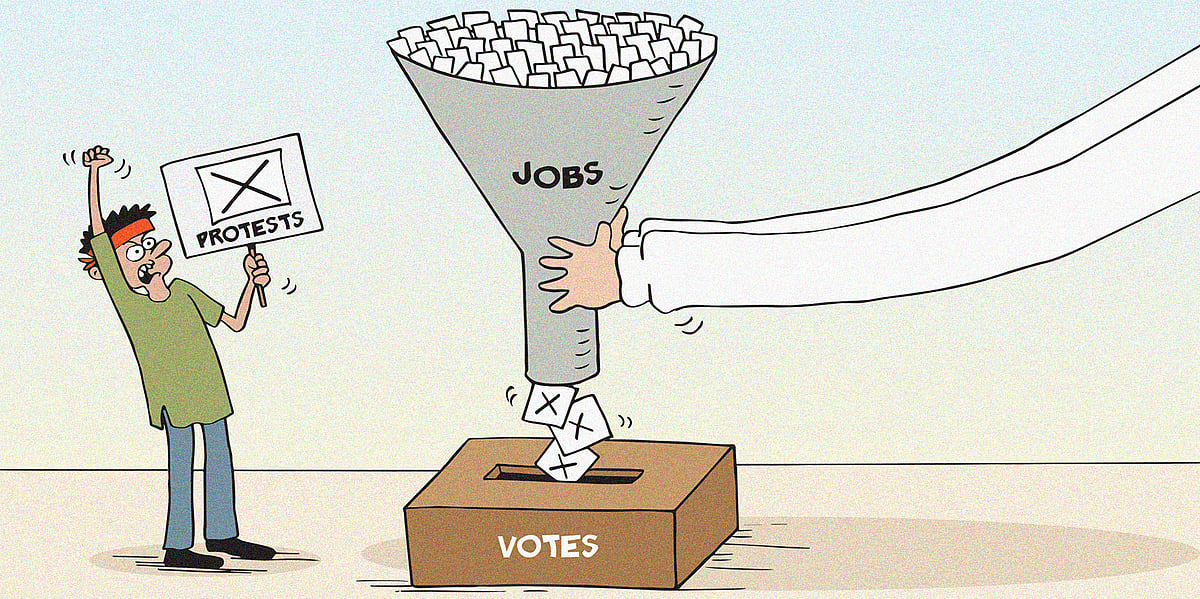
This week, all eyes were on Bangladesh, as protests around a quota system for government jobs escalated into violence, with eyewitness accounts revealing the disproportionate use of force on student protesters. Kamal Ahmed writes that the unrest around the protests reveals deeper, more enduring tensions around the Awami League’s iron-fisted rule and public discontent around corruption and economic mismanagement.
Photojournalist and activist Shahidul Alam has been documenting the situation from Dhaka despite an internet shutdown. We republished his dispatches to the media which revealed that despite claims of a return to normalcy, there were continued reports of killings and student arrests.
Also read: As Bangladesh boils over, Sheikh Hasina’s peril is of her own making
Also read: Shahidul Alam's dispatches on Bangladesh's uprising and the government's reprisal
This week in Southasia
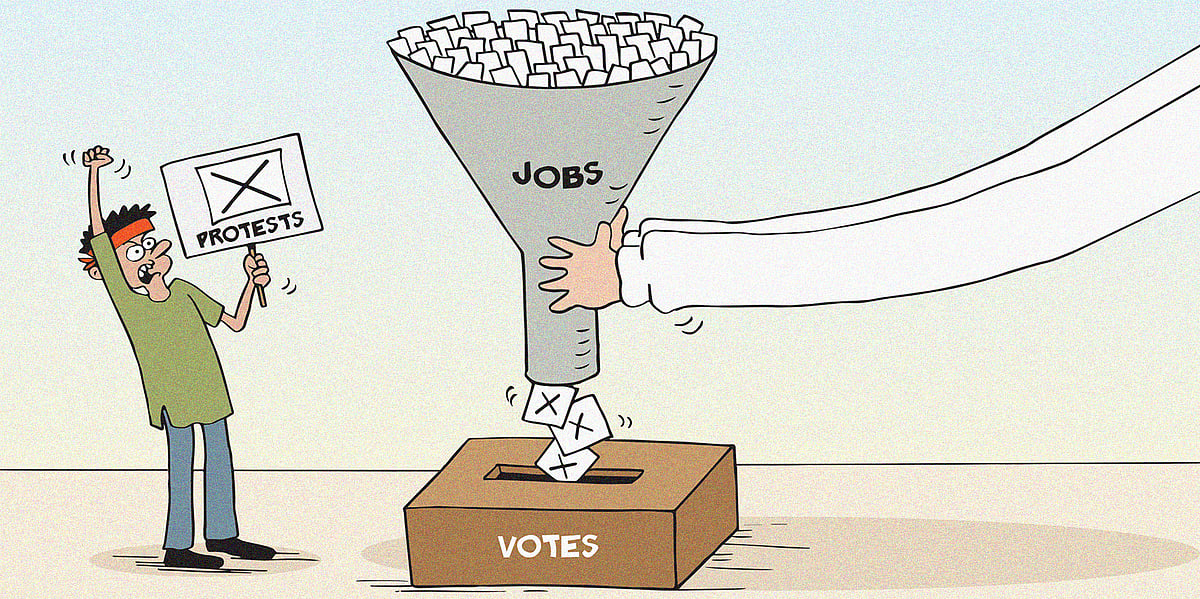
More than 2500 arrests and simmering tensions remain in Bangladesh
Bangladesh’s Awami League government said curfew would continue at least until 27 July in Dhaka and three other cities, with a nine-hour pause between 8 am and 5 pm. Curfew was imposed after student protests around quotas for government jobs escalated into unrest. The Supreme Court hurriedly scaled back the contentious quota that sparked the protests in the first place from 30 to 7 percent. But despite the army chief’s confident claims of normalcy, reports beginning to trickle out of Bangladesh after an internet shutdown was partially lifted paint a chilling picture.
The death toll has climbed to at least 174, although reports indicate Dhaka College Medical Hospital is avoiding releasing the total number of deaths and injuries. More than 2500 have been arrested, while three missing students who are coordinators of the Anti-Discrimination Student Movement resurfaced after being abducted. While offices re-opened and news websites came back online, there were reports of heavy economic losses in multiple key sectors. Further protests have been paused, but students continue to press for nine key demands including a public apology from Prime Minister Sheikh Hasina, the resignation of several key Cabinet ministers, and accountability for the perpetrators of the violence.

Elsewhere in Southasia 📡
- India’s Supreme Court issues stay on police order to business owners to display their names during Hindu festival of Shravan in BJP-governed Uttarkhand, Uttar Pradesh; Muslim business owners fear being targeted
- 18 passengers on Saurya Airlines test flight die in a plane crash at Nepal’s Kathmandu airport; pilot the only survivor on the test flight carrying company employees.
- A teenage boy from India’s Kerala dies from Nipah virus, which has a 75 percent mortality rate. Indian health officials tracking around 350 people who came into contact with the victim.
- Myanmar’s junta leader Min Aung Hlaing named acting president after acting president Myint Swe takes medical leave, a week before the deadline for renewal of state of emergency imposed after 2021 military coup
- Bhutan’s king Jigme Khesar Namgyel Wangchuck and prime minister Tshering Tobgay meet Adani Group chairman Gautam Adani in Gujarat, discuss collaboration opportunities across multiple sectors including renewable energy, urban development.
- Pakistan police raids former Prime Minister Imran Khan’s political party headquarters, a week after the government said it plans to disband the Pakistan Tehreek e-Insaf party.
- Sri Lanka’s government apologises to the island’s Muslim minority for its forced cremation policy for suspected COVID-19 deaths, despite World Health Organisation assurances that burials in accordance with Islamic rites were safe. The government plans to draft new laws to protect funeral rites
- Maldivian Minister of Foreign Affairs Moosa Zameer meets Chinese Foreign Minister Wang Yi in Beijing to discuss infrastructure and renewable energy projects. Meanwhile, India slashes aid to the Maldives, reflecting strained diplomatic ties following the election of pro-China President Mohamed Muizzu.
- Taliban detains a former politician, a journalist and a filmmaker marking sharp escalation in crackdown on dissent
- Sri Lanka drafts bill to enable no-fault divorce, authorising courts to rule on divorce cases without lengthy trials if the marriage is proven to be broken beyond reestablishment
- Maldives and Sri Lanka’s capital market regulators sign Memorandum of Understanding, paving way for Maldivian companies to be listed on Colombo Stock Exchange, in a sign of growing economic integration between the two countries.
Only in Southasia
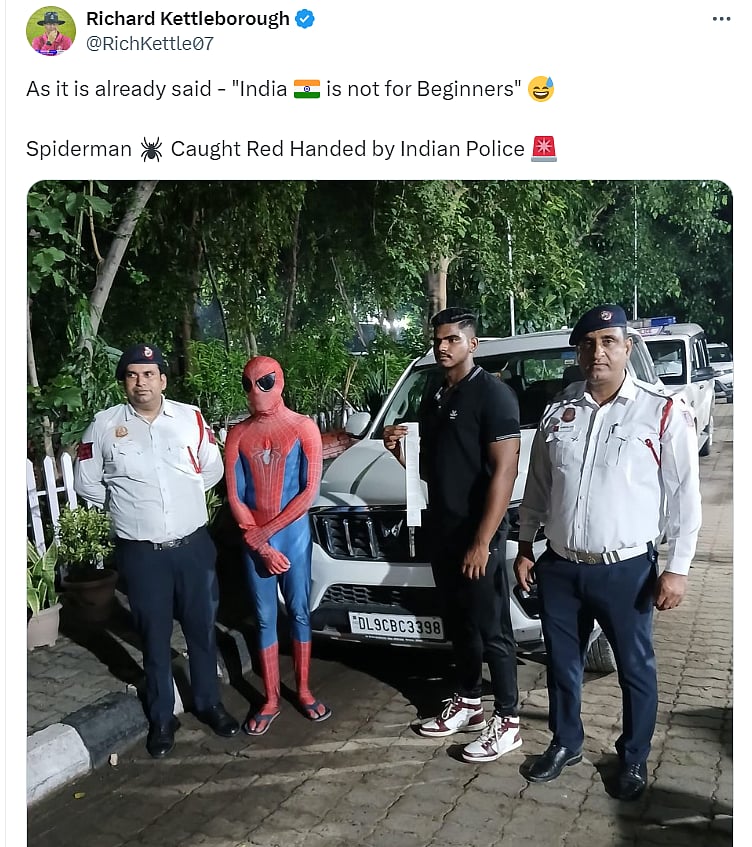
This week, Indian police leapt into action when footage of a man dressed as Spiderman riding on the bonnet of a car went viral on social media. The policemen tracked down the webbed crusader and his driver, and penalised them both for dangerous driving and driving without a seatbelt and pollution certificate. They were thoughtful enough though, not to unmask Spiderman himself.
From the archive
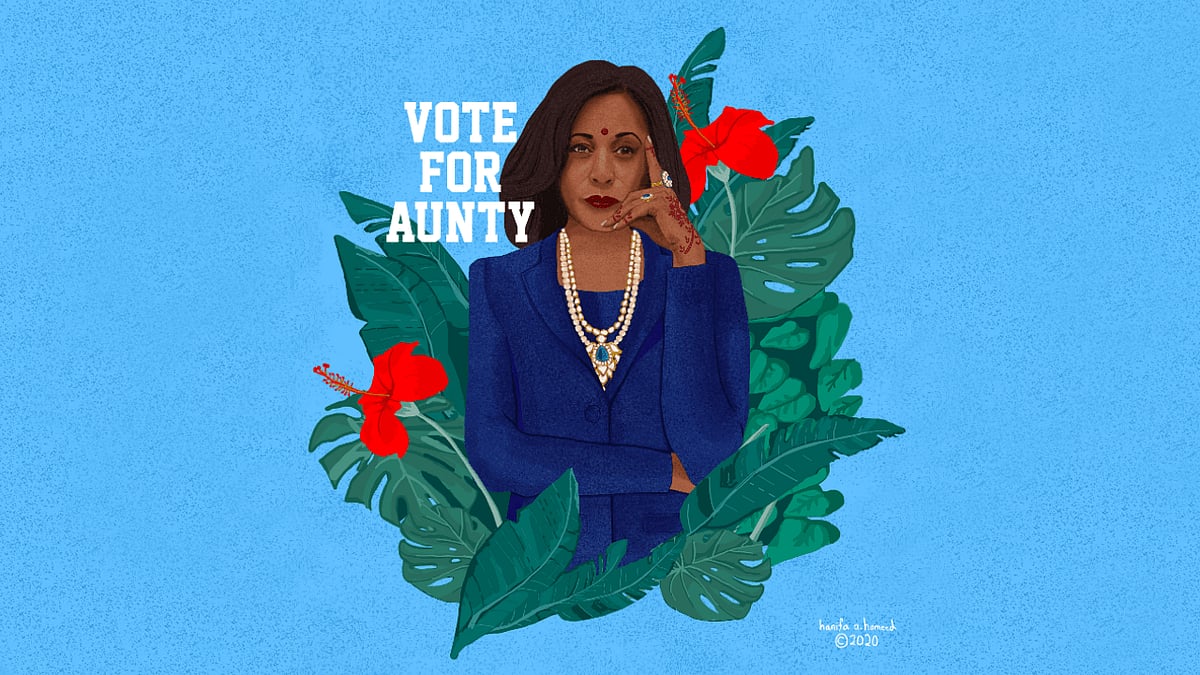
Becoming Kamala Devi Harris (28 October 2020)
In light of recent news that Vice President Kamala Harris will be the Democratic nominee for the US presidential election after President Joe Biden pulled out of the race, Radhika Parameswaran and Pallavi Rao’s piece is worth revisiting. Radhika and Pallavi unpack Kamala’s Brahmin and Black identities, which then and now have evoked a range of reactions from American and Indian media commentators. They note that Harris has remained “conspicuously silent” about calling herself a Tamil Brahmin American, while more frequently claiming her African American identity.