
This week at Himal
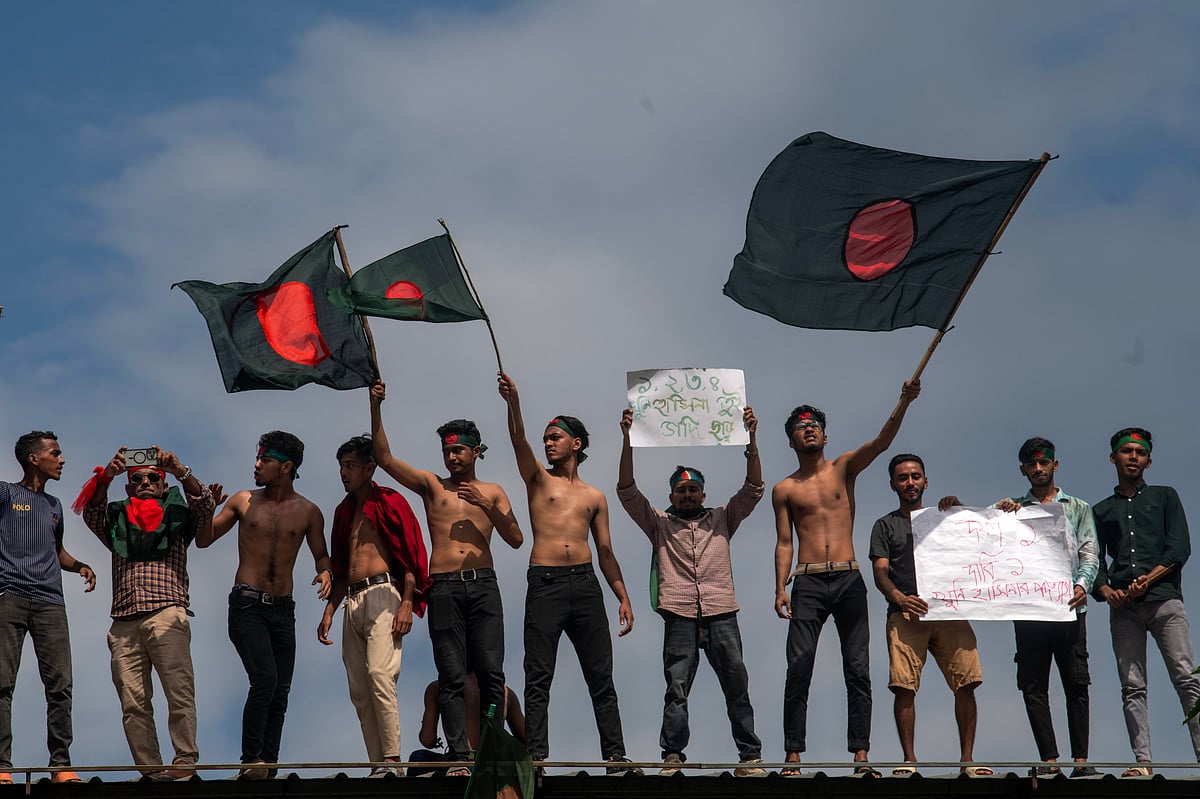
This week saw rapidly evolving events in Bangladesh including the resignation of prime minister Sheikh Hasina as clashes between protesters and police escalated. We published a fresh dispatch from photojournalist and activist Shahidul Alam documenting the government’s shifting narratives amidst the volatility. You can revisit previous dispatches from Dhaka here.

Amish Raj Mulmi writes that archaeological finds in the Nepali Himalaya shed fascinating insight into the pre-Buddhist history of human civilisation in the Himalaya – a history which is becoming obscured through neglect and folly.
Also read: The bones of Samdzong: How Mustang’s deep past is being lost just as it is being found
Also read: Dispatch from Dhaka: Government’s shifting narratives amidst a sea of red
This week in Southasia
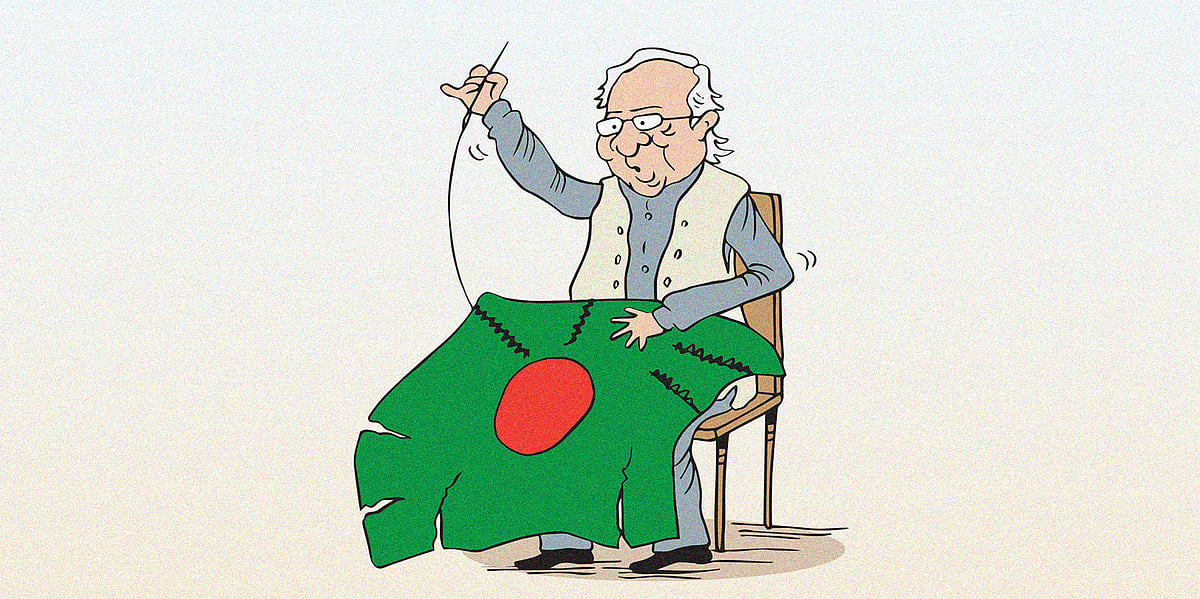
Bangladesh forms interim government after Sheikh Hasina's hasty exit
On 3 August, clashes between pro-government forces and student protesters escalated,with at least 122 reported killed. But the protesters were undeterred, marching on prime minister Sheikh Hasina’s official residence in Dhaka. Though Hasina initially urged the military to unleash even more violence on the protesters, she eventually resigned and evacuated to India, where she may remain as she plans her next move. The protesters stormed Hasina's residence and carried out furniture, clothes and even fish in scenes reminiscent of Sri Lanka's 2022 protests that ultimately led to then president Gotabaya Rajapaksa's resignation.
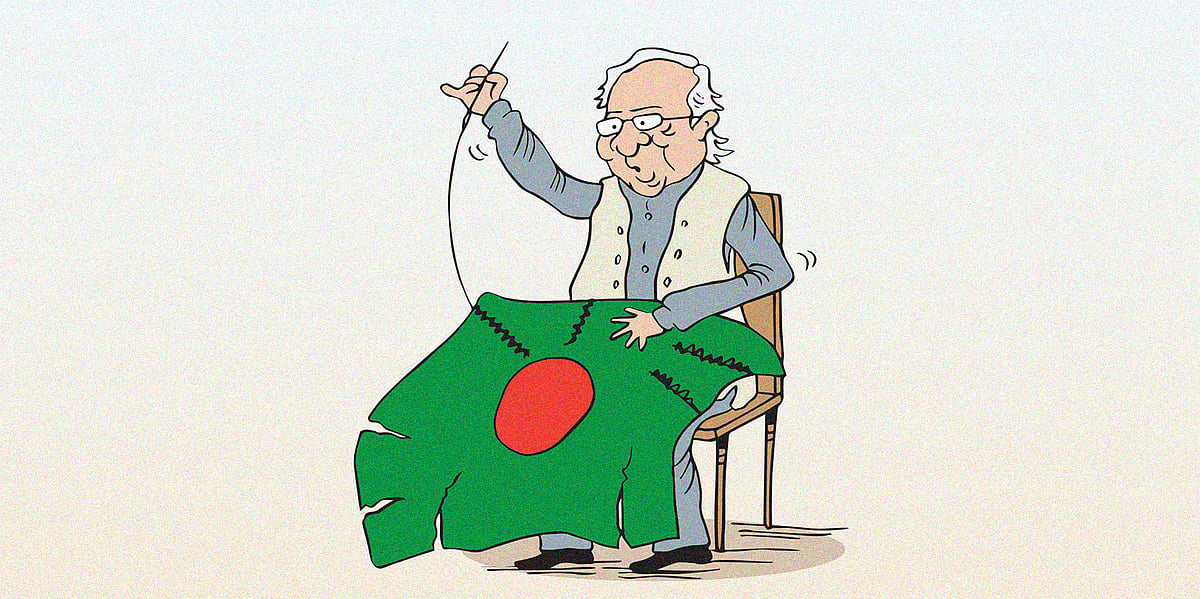
Hasina’s hasty exit left a power vacuum, with a number of players including the military, the Jamaat-e-Islami, the Bangladesh Nationalist Party and student protesters jostling for prominence. However, Nobel laureate Muhammad Yunus has been appointed to head Bangladesh’s interim government. Yunus was continually targeted by Hasina, and was nominated by student protesters for the post. Meanwhile, key opposition leader Khaleda Zia was released from house arrest, and a number of political prisoners including those linked with Jamaat-e-Islami have been released. The weeks ahead will be filled with uncertainty and hope as Bangladesh tries to chart a new course following the end of Hasina's 15 year rule.

As the Olympics is underway in Paris, we’re keeping score on the performance of the region’s top athletes.
India
- Indian wrestler Vinesh Phogat who participated in wrestler's protests qualified to enter the wrestling final at the Olympics, the first Indian woman to do so, but in a heartbreaking twist, was disqualified for being 100 grammes over the permissible weight limit to compete
- Javelin thrower Arshad Nadeem set a new Olympic record with a throw of 92.97 metres in the final, bagging a gold medal for Pakistan
Pakistan
- Pakistan’s Ghulam Mustafa Bashir improved on his previous Olympic Games showing with a score of 581-19x but failed to qualify for finals of 25 metre rapid fire men’s shooting event
- Faiqa Riaz made her Olympic debut in the women’s 100 metre event, but placed sixth in the second heat, failing to qualify for the semifinal
- The Indian hockey team won a bronze medal at the Olympics, beating Spain 2-1
- 22 year old Lakshya Sen became the first male Indian to advance to the semifinals in badminton though he lost the bronze medal match to Malaysia’s Lee Zii Jia
- Avinash Sable advanced to his first Olympic final in the men's 3000 metre steeplechase event, placing 11th with a timing of 8:14:18
- Indian javelin thrower Neeraj Chopra battled with Pakistan's Arshad Nadeem in the final, turning in a season's best of 89.45 metres and winning a silver medal
Bangladesh
- Archer Sagor Islam placed 45 out of 64 archers, but lost to Italy’s Mauro Nespoli 0-6 in the elimination round of the men’s recurve individual event
- Sprinter Imranur Rahman finished 25 out of 45 in the 100 metre men’s event, failing to make it through to the main heats
- Swimmer Sonia Khatun turned in a timing of 30.52 seconds in heat 3 of the women’s 50 metre event, slightly below her personal best, but placed 64 out of 79 swimmers overall, failing to qualify for the main event
Sri Lanka
- 19 year old sprinter Tharushi Karunaratne finished in 7th place in heat 4 of the newly introduced repechage round, failing to advance in the 800 metre women’s event
- Aruna Darshana qualified for the men’s 400 metre semifinal, after the sprinter finished third in the heats with a timing of 44.99 seconds, his personal best, but was later disqualified for lane infringement
- Dilhani Lekamge placed 32nd in the women's javelin throw event, and did not qualify for round 1
Afghanistan
- Sprinter Kimia Yousofi finished the women’s 100 metres preliminary rounds, placing ninth in heat 3 with a time of 13.42 seconds, and was unable to advance to Round 1
- Sprinter Sha Mahmood Noor Zahi set a new national record for Afghanistan, finishing the men’s 100 metre event with a time of 10.64 seconds, but was unable to advance to Round 1 as he placed fourth in the first heat
- Cyclist Fariba Hashimi finished the women’s road race in 75th place with a time of 4:10:47.
Maldives
- Sprinter Ibadulla Adam finished the preliminary round of the men’s 100 metre event with a time of 10.55 seconds, his personal best, but did not advance to Round 1.
- Swimmer Aishath Ulya Shaig finished the women’s 50 metre freestyle in 29.39s, not qualifying for the semifinals.
Elsewhere in Southasia 📡
- Thousands of supporters for Pakistan’s ex-Prime Minister Imran Khan rally in the northern city of Swabi, demanding his release from prison one year after his arrest. In recent months, all of his convictions have been either suspended or overturned.
- Myanmar’s junta admits losing communication with key military base in the northeastern town of Lashio, marking first loss of a regional command centre to anti-coup fighters
- Extreme heat in Kabul exacerbates air pollution and heat-related health issues, as 1443 patients were admitted to the hospital last week for seasonal diseases including typhoid and diarrhoea
- IT workers in Bengaluru protest against proposed legal amendment by India’s Karnataka government that will lead to a 14-hour workday.
- At least 40 percent of Sri Lankan legislators haven’t declared their assets, liabilities in compliance with the Anti-Corruption Act, which was passed as President Ranil Wickremesinghe’s administration promised the International Monetary Fund to combat corruption under the USD 3 billion bailout package
- Taxi drivers in the Maldives are protesting against the government’s plan to launch a taxi line, raising concerns that it will compete with their businesses and source of income
- Floods and landslides caused by heavy monsoon rains killed 14 people in various districts in Nepal, blocking highways and bridges across the country
- Afghan migrants deported from Pakistan request for aid, shelter, Taliban say they are waiting for official decree, adding land earmarked for migrants has been seized by ‘powerful individuals’
- Continued air-strikes reveal that Myanmar junta is evading sanctions to purchase jet fuel, with at least 1188 civilians killed in air-strikes since 2021 coup according to Myanmar Peace Monitor
Only in Southasia
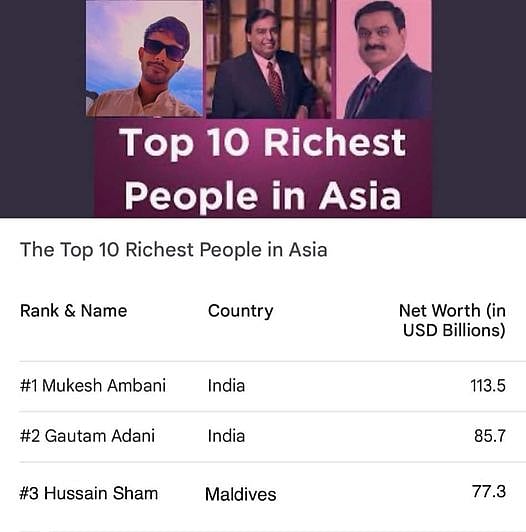
This week, there was a stir in the Maldives when the national Bank of Maldives made a very expensive mistake, depositing over USD 77 billion to an employee working at Lily Beach resort as part of his salary payment. A number of other employees also received billions of dollars. Online banking services were disrupted while the bank scrambled to fix the error. The Bank of Maldives later attributed the mistake to ‘human error’ during payroll processing, and reversed the payments. But that didn’t stop Maldivians from taking the opportunity to poke fun at the national bank and air their own grievances on social media.
From the archive
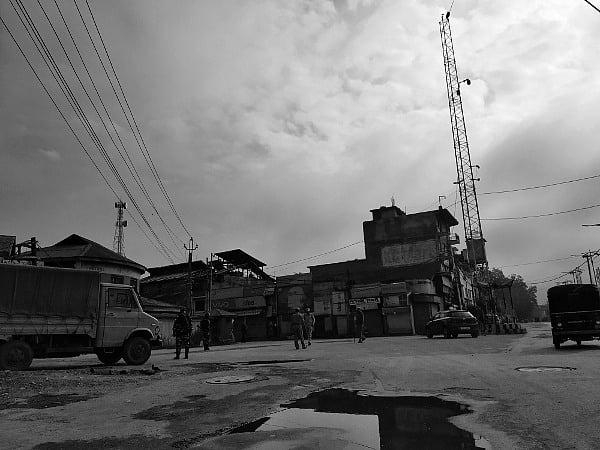
Kashmir switched off (September 2019)
5 August marks five years since the abrogation of Article 370 and the subsequent communications blockade imposed on India-administered Kashmir. In light of this, the September 2019 article from Basharat Ali, Iqbal Sonaullah and Mudasir Amin is worth a re-read. The authors report from the ground shortly after 5 August, moving from Islamabad to Srinagar and talking with journalists, activists and civilians who described the impact of the then freshly imposed communications blockade.