
Even if in the blooming spring we didn't reach the garden,
We still have the autumn to behold.
– Shibli Numani
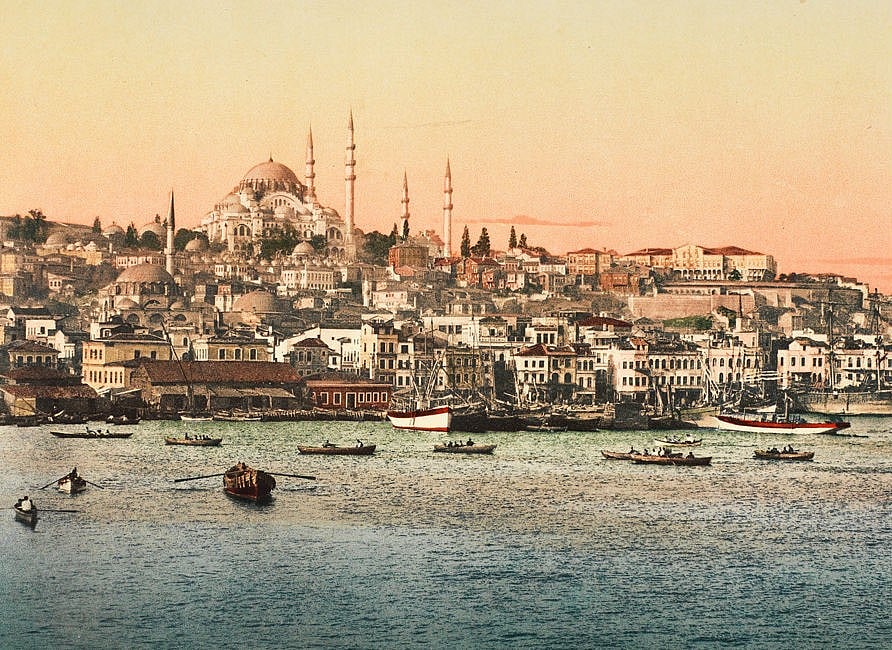
In 1892, when 35-year-old Shibli Numani decided to write a travelogue about his journey to West Asia, he began by saying that he had no intention of writing one. His hand was compelled by the thought of his friends and family, he wrote, so that they could learn more about the status of Muslims outside India. For many prominent Muslim thinkers of British India, the later years of the 19th century marked a low point for the Muslim community. A teacher of Persian and Arabic at the Muhammadan Anglo-Oriental College – an important site of modern higher education in 19th-century northern India and a predecessor of Aligarh Muslim University – Numani was, therefore, interested in the institutions of the Muslim world, particularly educational, to see if they could be the blueprint for the betterment of the Subcontinent's Muslims. As he sailed through the port cities of Aden, Cyprus, Beirut, Port Said, and Izmir, he hoped the descriptions of the social life in these cities, which were published in a book titled Safarnamah-e Rum-o Misr-o Sham, would serve as clarion call for spiritual and educational revival back home.