
In Punjabi, they call avoiding a snakebite “kakh lagna”, denoting a narrow escape. Chaudhry Waqar Anwar, a 39-year-old journalist and farmer, said he has narrowly avoided being bitten three times in the fields around Gujranwala, in Pakistani Punjab.
Anwar recounted how snakes often hide under ready-to-harvest crops. Recently, one had its sights on his feet as he worked in a paddy field, but he killed it with a farm implement before it could bite him.
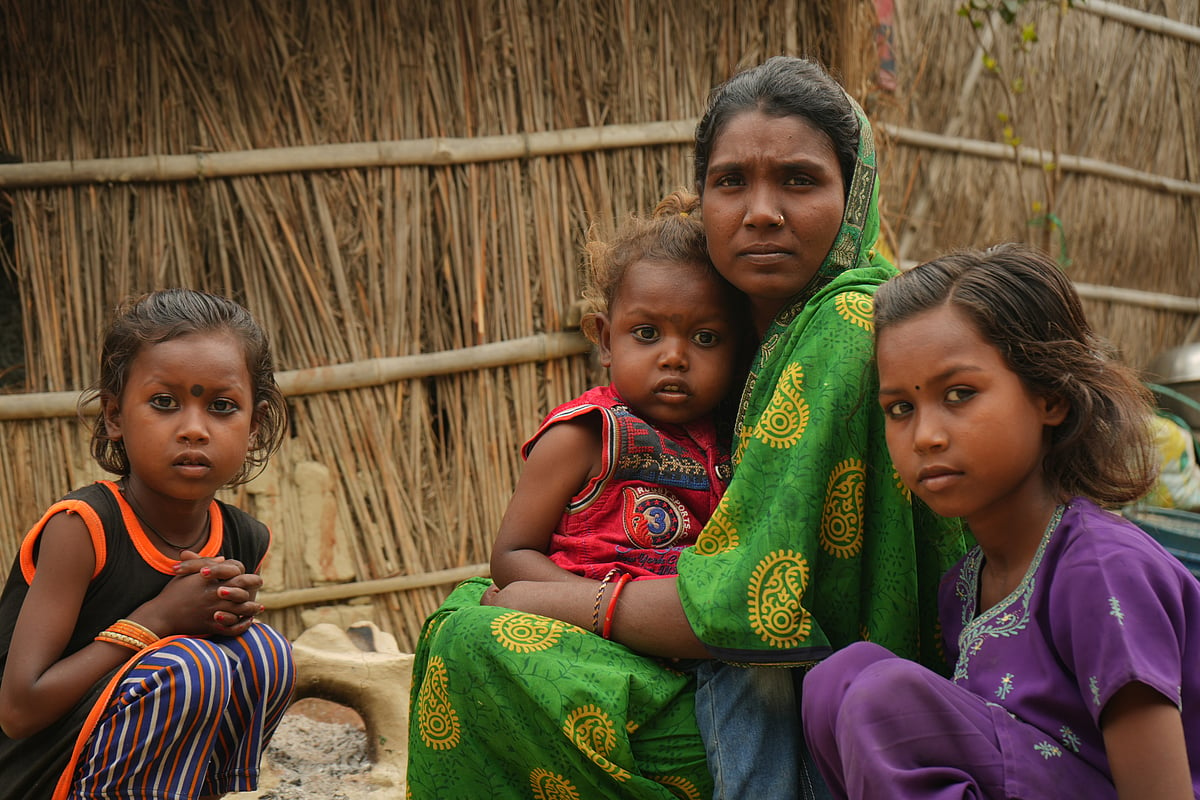
That’s a stroke of luck that Rajesh Manjhi did not share. The 35-year-old daily-wage labourer succumbed to a snakebite in 2022 while sleeping at home in the town of Muzaffarpur, in the Indian state of Bihar, leaving his family in poverty.
“A snake must have slithered in during the night as we lacked electricity in our house, and bit my husband while he was asleep,” Kiran Devi, Manjhi’s 25-year-old widow, recounted. She is now struggling to make ends meet and raise her children without her husband.