
In Burma today, there are whisperings of the need for critical analysis of the country's accelerating neo-liberal turn. The sites of this questioning are varied: a dusty side-street in Mandalay; a closet in a high-rise Yangon condo; a cramped apartment overlooking Burma's oldest cathedral; long-locked chests in the remote monasteries of the Chindwin Valley. In a country emerging from 50 years of authoritarian socialism, how do we confect a critique of global capital without dredging up painful reminders of dark decades past? The vocabularies of the internationalist left(s) are wont to repel, even in this nation where 'socialism' was an extraordinarily thin veil for the pulsing threat of military repression. Where, then, to locate the materials for a different way forward?
Nurturing and reclaiming the written word in contemporary political life seems more relevant than ever before in Burma. Edward Said's rejection of the binary choice between one oppressive system and another – be it imperialism versus fascism, or neoliberalism versus authoritarian socialism in the Burmese context – is particularly fitting. To source critical analysis of this false juxtaposition in a Burmese vernacular – and perhaps even build a different way forward – one must pluralise the binary. The country's vibrant intellectual history, which exists largely outside of official State discourse and government archives, provides abundant materials for such a movement. That many of these materials are held in small, private archives means it is vital to support their promotion and protection.
The Ludu legacy
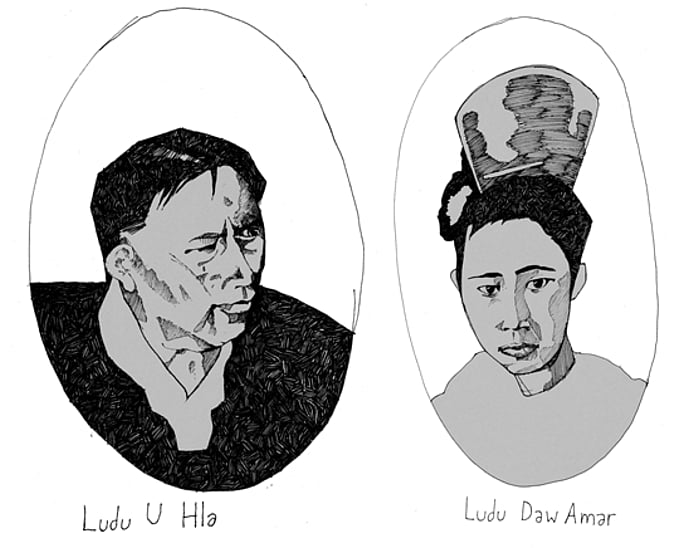
We might do well to begin in a dusty side-street in Mandalay. Its sterling reputation notwithstanding, the Ludu Library is not easy to find. It is hidden from even the usually knowledgeable trishaw drivers lounging in the streets. But upon arrival, the reward is handsome. The library consists of a large, well-maintained house with several floors of stacks, and a number of reading tables. Generous natural light streaming through open windows slants across a collection that includes full archives of the Ludu Journal and the Ludu Daily, as well as a veritable treasure trove of academic and popular works, primarily in Burmese. Paintings by the famous historian U Than Tun line the walls, while upstairs, earnest students busily digitise parts of the collection.