
📚 18 June 2025
Hello reader,
This week on the Southasia Review of Books podcast, I’m joined by the renowned writer and editor Jerry Pinto to talk about his new collection of essays, Thinking Aloud (Seagull Books, March 2025). We discuss Bollywood and the nation-state, the art of translation, and lessons from a life in literature and teaching.
In Thinking Aloud, Pinto explores why inclusive storytelling matters – especially when it comes to understanding the world around us. With insights into his landmark translations, including Sachin Kundalkar’s Cobalt Blue and Daya Pawaar’s Baluta, he shows how biographies can deepen our engagement with history and challenge dominant narratives. Pinto also makes a compelling case for the role of translation in bridging divides, helping stories that might otherwise remain unheard to travel further.
Let’s keep the conversation going – please share your thoughts on the episode. If something resonated with you, or even challenged you, leave us a comment on Youtube or write to me at shwethas@himalmag.com.
🎙️📚 Jerry Pinto on inclusive storytelling: Southasia Review of Books podcast #26
This episode is now available on Spotify, Apple Podcasts and Youtube.
🌠✍️ Himal Fiction Fest 2025: Southasian speculative fiction
We’re halfway through the second and final week of Himal’s 2025 Fiction Fest: a celebration of original short speculative fiction imagining the futures of Southasia.
In case you missed, you can catch up our panel discussions on The State of Speculative Fiction in Southasia and on Caste, Gender and Resistance in Southasian Speculative Fiction. You can also read the stories by our finalists on our website, and don’t forget to check back for the final story drop this Friday!
📚 This month in Southasian publishing
Queer Directions takes off
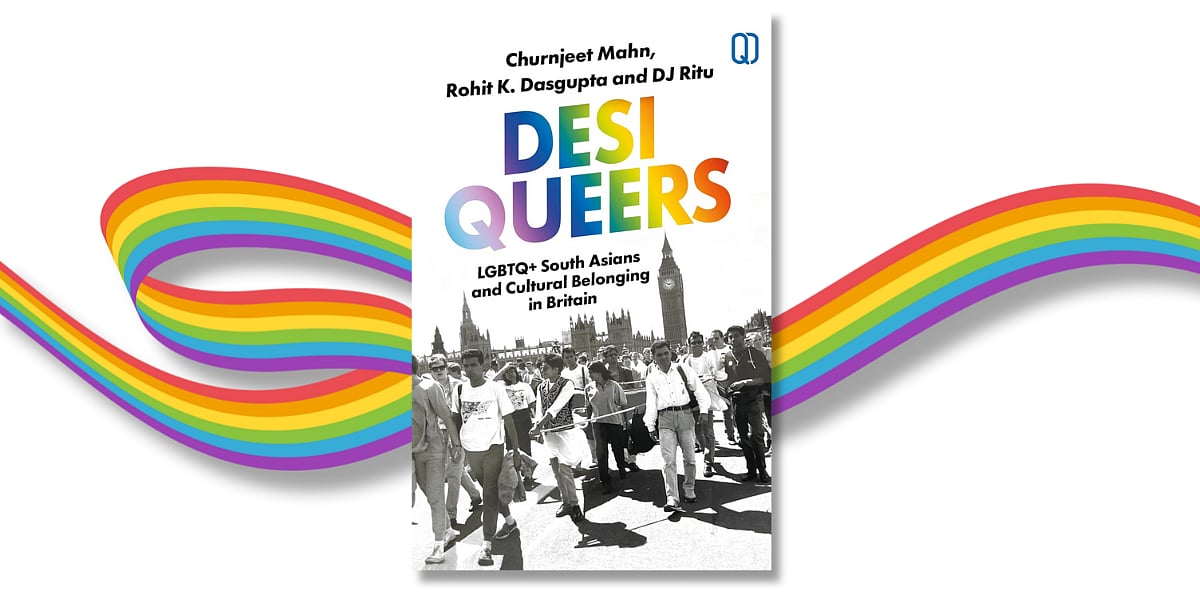
Launched this month as a joint venture by Westland Books and Godrej DEI Lab, Queer Directions is a new publishing imprint dedicated to amplifying LGBTQIA+ voices across Southasia. Spanning memoirs, poetry, research, essays and anthologies, the imprint aims to expand the scope of queer literature in Southasia and beyond.
The inaugural list features six titles, the first of which is out now: Desi Queers: LGBTQ+ South Asians and Belonging in Britain (Queer Directions, June 2025) traces the activism and cultural impact of queer Southasians in the United Kingdom from the 1970s to the present. From grassroots organising to iconic protest movements, Desi Queers documents how diasporic communities shaped LGBTQ+ spaces and resistance.
Celebrating Southasian writing and ideas
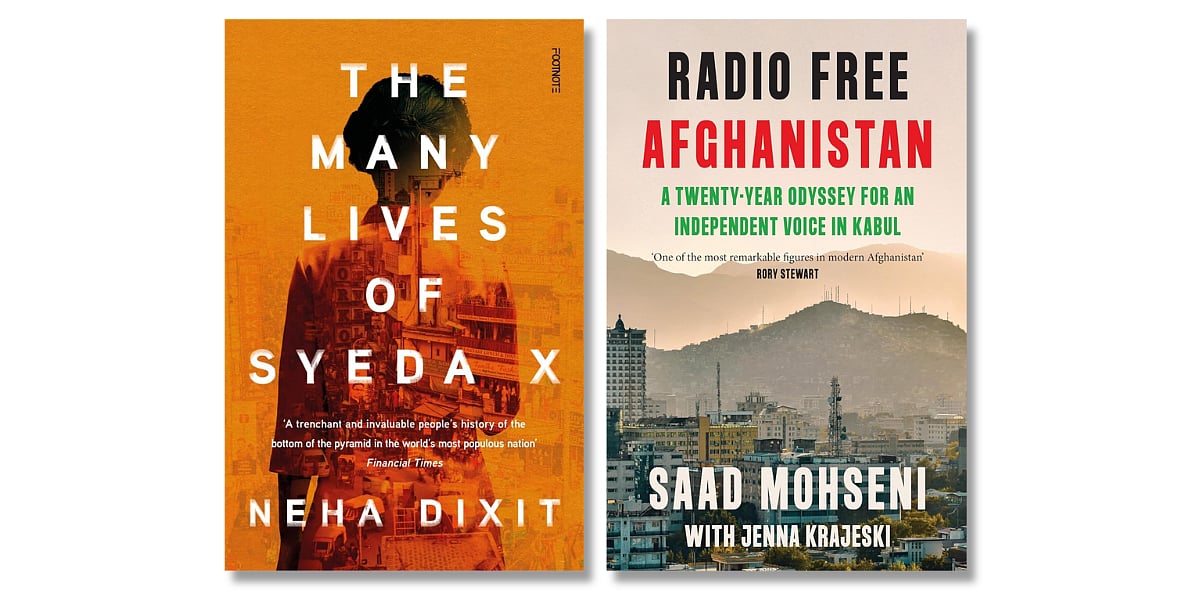
The Christopher G Moore Foundation has announced an exciting longlist of nine titles for its 2025 prize for Human-Rights Writing, selected from nearly 70 submissions this year. Huge congratulations to Neha Dixit, whose book The Many Lives of Syeda X (Footnote Press, April 2025) – tracing the life of a working-class Indian woman from Varanasi to Delhi over three decades – has earned a much-deserved spot on the longlist!
Also longlisted is Radio Free Afghanistan: A Twenty-Year Odyssey for an Independent Voice in Kabul (William Collins, September 2024) by Saad Mohseni with Jenna Krajeski. Mohseni, the chairman and CEO of Moby Group, Afghanistan’s largest media company, chronicles the 20-year fight to build a truly independent press in the country, and how they persist even after the Taliban’s return to power in 2021.
🎧 Listen to my SaRB conversation with Neha Dixit on The Many Lives of Syeda X.
🗞️ Read Bakht Noor Nasar’s review essay for Himal on what two new books, including Radio Free Afghanistan, reveal about the political economy of reporting on the War on Terror in the Afghanistan–Pakistan borderlands.
Who gets to write Sheikh Mujibur Rahman’s legacy?
Earlier this year, Bangladesh introduced new textbooks crediting the former president and military officer Ziaur Rahman with declaring the country’s independence in 1971, replacing the previous versions that attributed the role to Sheikh Mujibur Rahman. Reports have also noted other revisions, including the removal of Mujib’s title as the “Father of the Nation”.
But what do Mujib’s own diaries, and recent accounts by scholars and journalists, reveal about his life and political legacy?
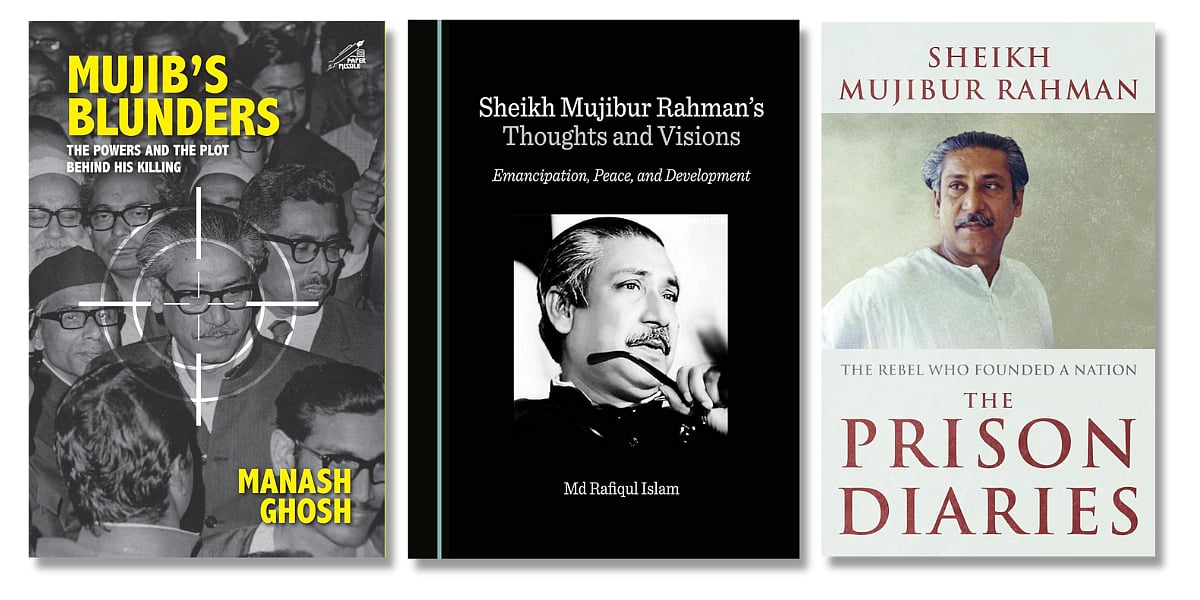
Out this month, Mujib’s Blunders: The Power and the Plot Behind His Killing by Manash Ghosh (Niyogi Books, June 2025) offers a critical reassessment of Mujib’s leadership. Ghosh argues that, despite his secular ideals, Mujib’s decision to establish an Islamic foundation paved the way for the rise of fundamentalist forces. He also suggests that Mujib’s efforts to gain Islamabad’s recognition – aimed at counterbalancing India’s growing influence – ultimately contributed to his downfall.
Sheikh Mujibur Rahman’s Thoughts and Visions: Emancipation, Peace, and Development by Md Rafiqul Islam (Cambridge Scholars Publishing, May 2025) traces Mujib’s life, philosophy and enduring legacy. This book reflects on his vision for just and prosperous “Sonar Bangla” (Golden Bengal), and his commitment to political freedom, economic empowerment and regional peace.
Following the 1971 Liberation War, during which Mujib was imprisoned in Pakistan, he became Bangladesh’s first elected prime minister in 1972 and president in 1975. In August that year, he and his family were brutally assassinated at home by a group of renegade Bangladesh Army officers. Soldiers ransacked the house, but – thinking that Mujib’s notebooks were of no interest – left them behind. These diaries, which Mujib had entitled “A plate, a bowl and a blanket are the only things one gets in prison”, were later discovered and are now collected in the forthcoming book, The Prison Diaries: The Rebel Who Founded a Nation by Sheikh Mujibur Rahman, translated by Fakrul Alam (Hurst, August 2025).
New histories of the Subcontinent
Understanding India today means grappling with its deeply contested past.
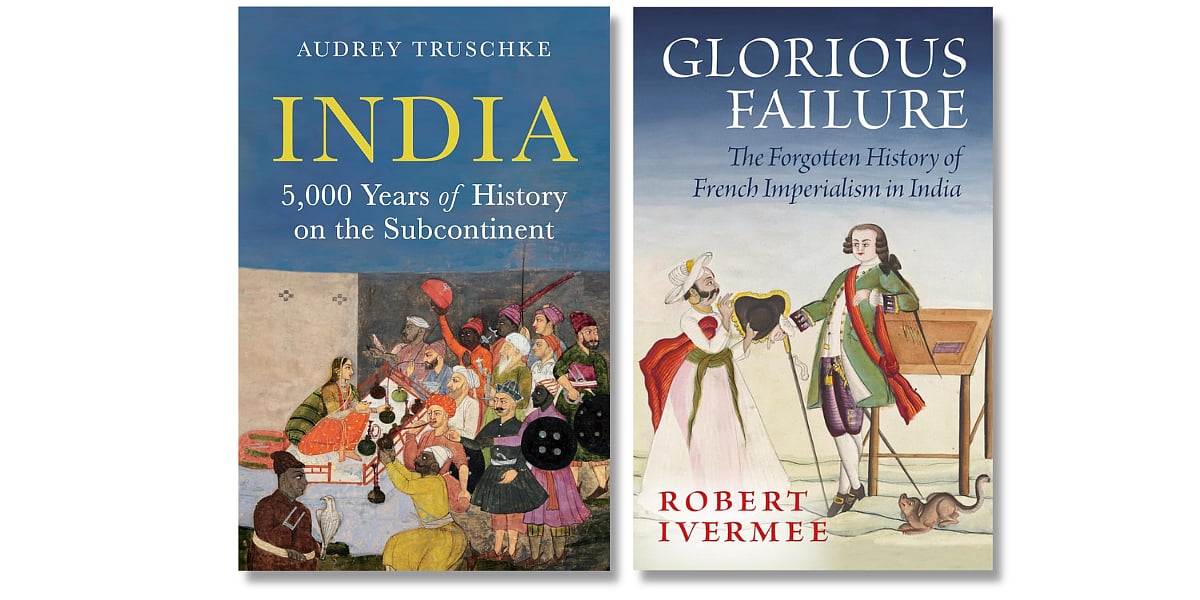
India: 5,000 Years of History on the Subcontinent by Audrey Truschke (Princeton University Press, June 2025) is described as the first single-volume history of the region to be published in over a quarter century. Spanning from the Indus Valley Civilisation to the 21st century, this sweeping account explores pivotal political, social, religious, and cultural moments, foregrounding issues of caste, gender, and the region’s immense diversity.
For 150 years, France was an aggressive imperial force in Southasia. Through their East India company and state, the French established a far-reaching empire in the Subcontinent, only to see their position undermined by conflict with Indian rulers, rivalries with other European nations, and strategic missteps. Glorious Failure: The Forgotten History of French Imperialism in India by Robert Ivermee (Hurst, June 2025) uncovers the history of France’s doomed imperial project in Southasia. Challenging the myth of a benign French presence, Ivermee’s extensive research reveals how France’s colonial ambitions in India were driven by war, conquest, opportunistic alliances, regime change and slavery.
Music, memory and migration from Kashmir
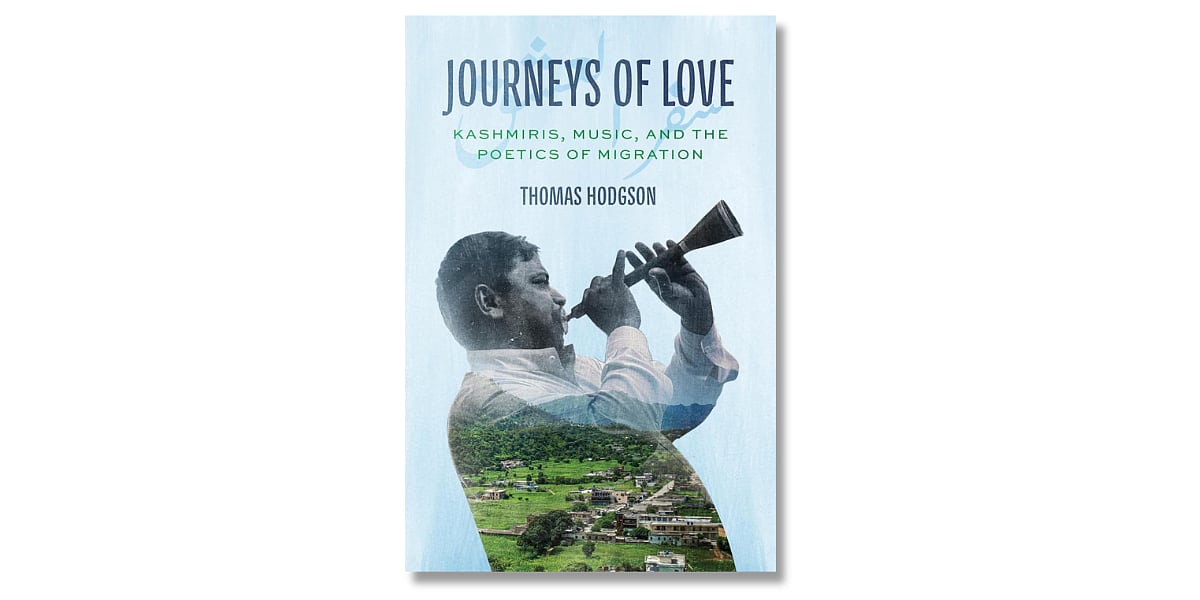
Journeys of Love: Kashmiris, Music, and the Poetics of Migration by the ethnomusicologist Thomas Hodgson (University of Chicago Press, June 2025) is an account of Muslim migrants in England that debunks many misperceptions about their music and poetry. He argues that, in practice, these communities – many of whom come from the Mirpur area of Azad Kashmir – occupy rich musical worlds that are central to navigating the experiences of migration. The book traces the enduring ties between Kashmir’s rural village life and urban centres abroad, offering a sensitive portrait of migration and multiculturalism in Britain and beyond.
Until next time, happy reading!
Shwetha Srikanthan
Associate Editor, Himal Southasian
💌 Are there any authors or new books you would like to see featured? Thoughts and suggestions? I would love to hear from you. Please write to me at shwethas@himalmag.com.
📚 Read past editions of the SaRB newsletter and dive further into Himal’s Books coverage.
🫰 If you’re enjoying what you’re reading, please consider recommending SaRB to others. Simply share the podcast or newsletter, or sign up here.