This week in Himal
Hugo Ribadeau Dumas delves into India’s language politics, revealing how pride and shame shapes language fluency in Bihar, amid the continued domination of Hindi and English.
Journalist and author Zeyad Masroor Khan recalls growing up in a Muslim ghetto in Aligarh and recounts memories of witnessing communal riots in episode 12 of Partitions of the Heart: Conversations with Harsh Mander.
We're excited to announce that Leena Reghunath is joining the Himal team as our new Managing Editor! Leena brings extensive experience from her previous roles as editor of the Supreme Court Observer, Audience Development Editor at The Caravan, and was a regular host for The News Minute's South Central podcast. A former public prosecutor, Leena is a three-time national award recipient in India for her investigative and gender reporting. She is also the curator of the Wayanad Literature Festival.
Also read: How Annie Ernaux’s story parallels the struggles of local languages in Bihar
Also read: Zeyad Masroor Khan riots, Muslim ghettos, boycotts and expulsions
Also read: Zahra Nader on Iran’s brutal deportations of Afghan refugees: State of Southasia #30
Also read: The making of Shabdakalpa, a pioneering historical dictionary of Bengali
This week in Southasia
India and China rebuild relations after Trump tariffs
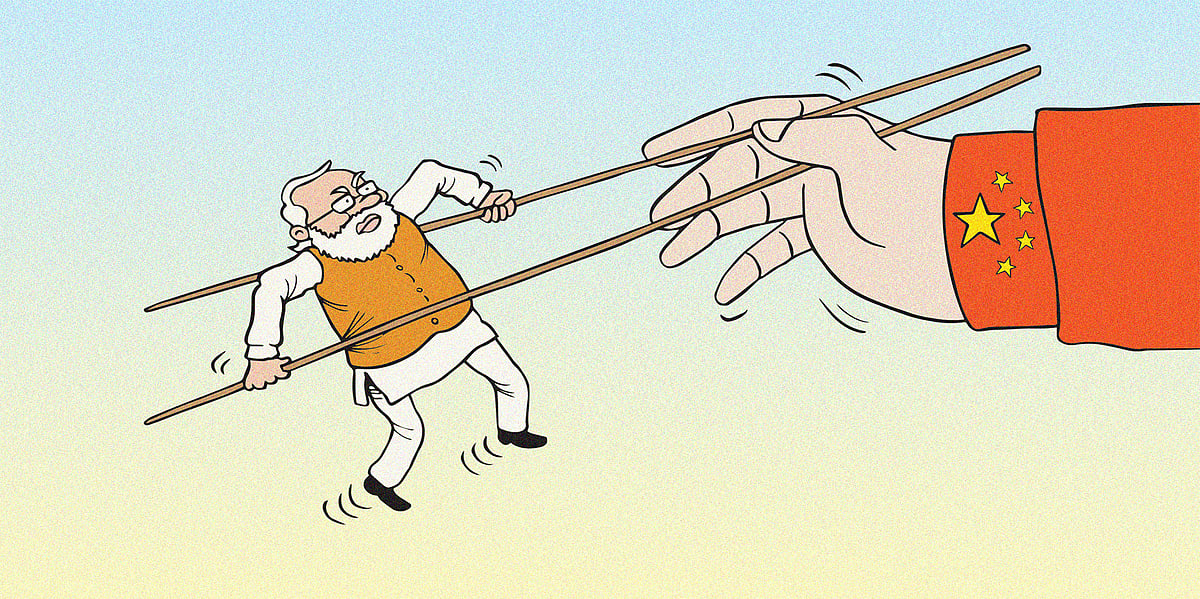
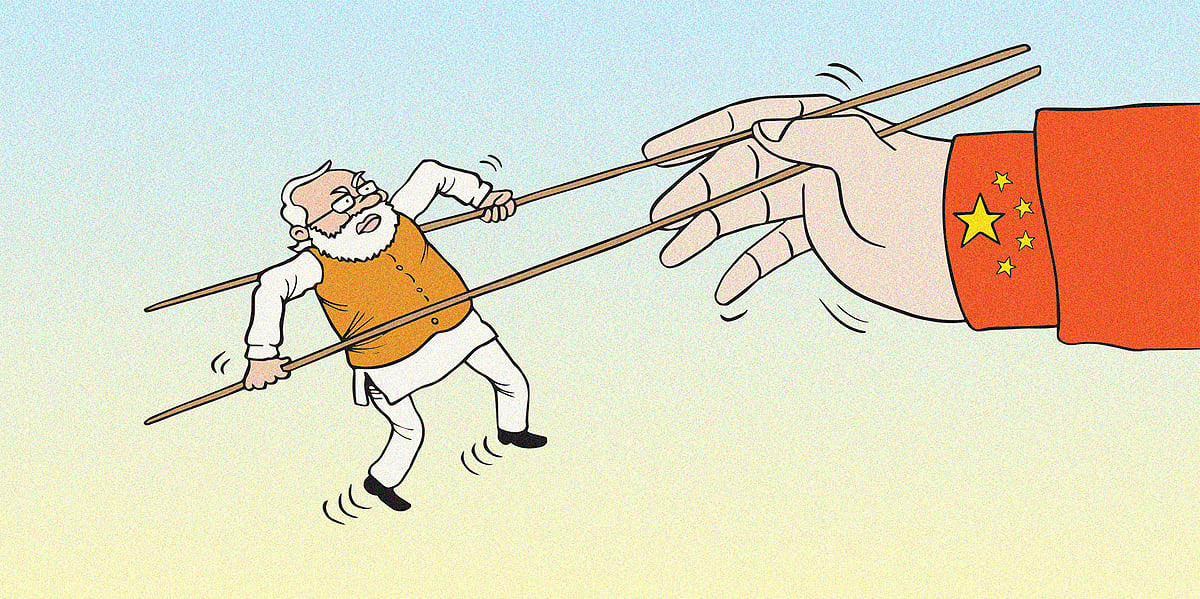
In the wake of sweeping US tariffs impacting exports across Southasia, India and China are attempting to rebuild relations. On 19 August, China’s foreign minister Wang Yi travelled to India to meet India’s prime minister Narendra Modi, where both leaders spoke about steady progress in building ties. Modi is scheduled to visit China on 31 August to attend the SCO summit - the first visit in 7 years. These visits come after the US has said it plans to impose a 50 percent tariff on India for continuing to purchase oil from Russia.
Relations between India and China have historically been strained due to longstanding border disputes. In June 2020, skirmishes in Galwan Valley left 20 Indian soldiers dead, leading to a military standoff that was only ended after a deal was reached in October 2024. Since then, the two countries have worked to ease travel visa restrictions, with ongoing talks to reopen trading posts along the border. Pakistan’s close relations with China – including for air support after the Pahalgam attack – have been closely watched by New Delhi. But Pakistan has struggled to maintain good relations with both the US and China due to flawed domestic and foreign policies. Despite the positive language used by leadership from India and China, tension between the countries continues to simmer. On 19 August, exiled Tibetans in India gathered to protest Wang Yi’s visit, and were briefly detained by Indian police. But with the looming Trump tariffs, India is being forced to recalibrate relations with China – and Beijing has gained more bargaining power.
In light of this, Shaheen Ahmed’s article from 2020 looking at the history of India and China’s contentious relationship over border tensions is worth revisiting, as is Salman Rafi Sheikh’s article on Pakistan’s relationship with China and the US.
From the archive (August 2020)
Also read: Memories of Galwan Valley
Elsewhere in Southasia
- Tamil refugee repatriation to Sri Lanka paused by UNHCR after refugees face legal challenges upon reentry
- Representatives from China and Pakistan meet in Afghanistan, marking China’s first visit since Taliban takeover
- Airstrike attributed to junta in Myanmar’s Karenni state kills 25 civilians
- Delhi Chief Minister Rekha Gupta attacked during a public hearing by Indian civilian portending to have a complaint
- World Anti-Doping Agency suspends Sri Lanka for not bringing local laws in line with international standards for sports. Sri Lanka is the second country after Russia to be named non-compliant
- Rubella removed from list of public health concerns in Nepal after strong vaccination push since 2012
- Protests after proposed media bill in the Maldives seeks to establish Maldives Media and Broadcasting Commission with excessive control and powers
- Heavy rains and cloudbursts kill 280 in northern Pakistan and at least 27 in Maharashtra, India since 15 August
- Former British minister and Sheikh Hasina’s niece Tulip Siddiq stands trial in Bangladesh on land grab corruption charges, the fourth such case initiated this week
- 71 Afghan refugees crossing the border from Iran lose their lives in bus crash on Herat Highway
- Chinese president Xi Jinping visits Tibet to mark sixty years of China’s contested rule
- Myanmar junta announces plan to hold ‘first phase’ of elections on 28 December in what is widely seen as an attempt to legitimise military ruleRevisit some of our archival stories adding more context to some of this week's news updates from Sri Lanka and Pakistan
Also read: Sri Lanka’s alternatives abroad
Also read: Unpacking the floods in Pakistan
Note: The newsletter version misspelled V V Ganeshananthan's name. Himal Southasian regrets the error.
Snap Southasia
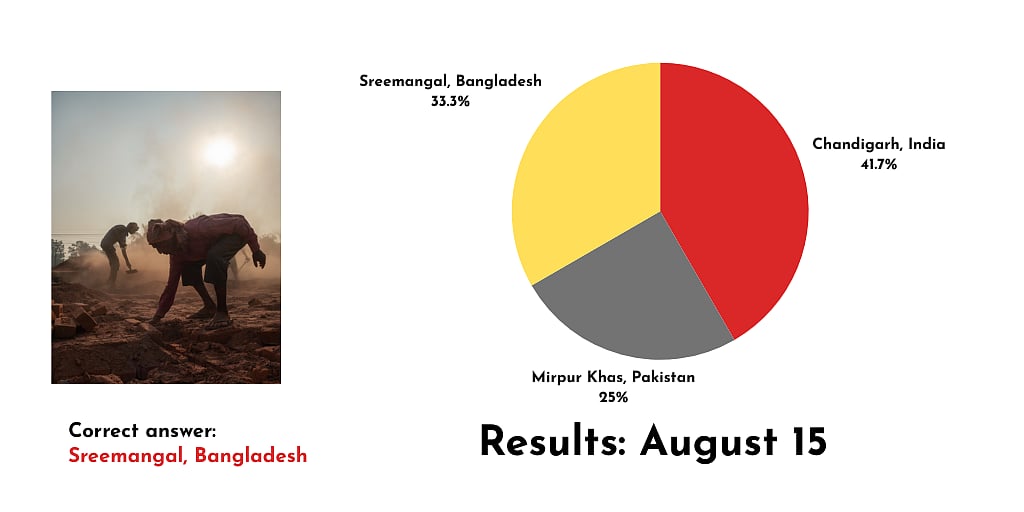
Every week we bring you one striking image from Southasia. Click below to guess where it was taken – and check in next week to see if you were right!
A special thank you to reader Anirudh Nair, who sent across his photos for this week’s edition of Snap Southasia!
Want your photography featured in Snapshot Southasia? Write to me at raisaw@himalmag.com
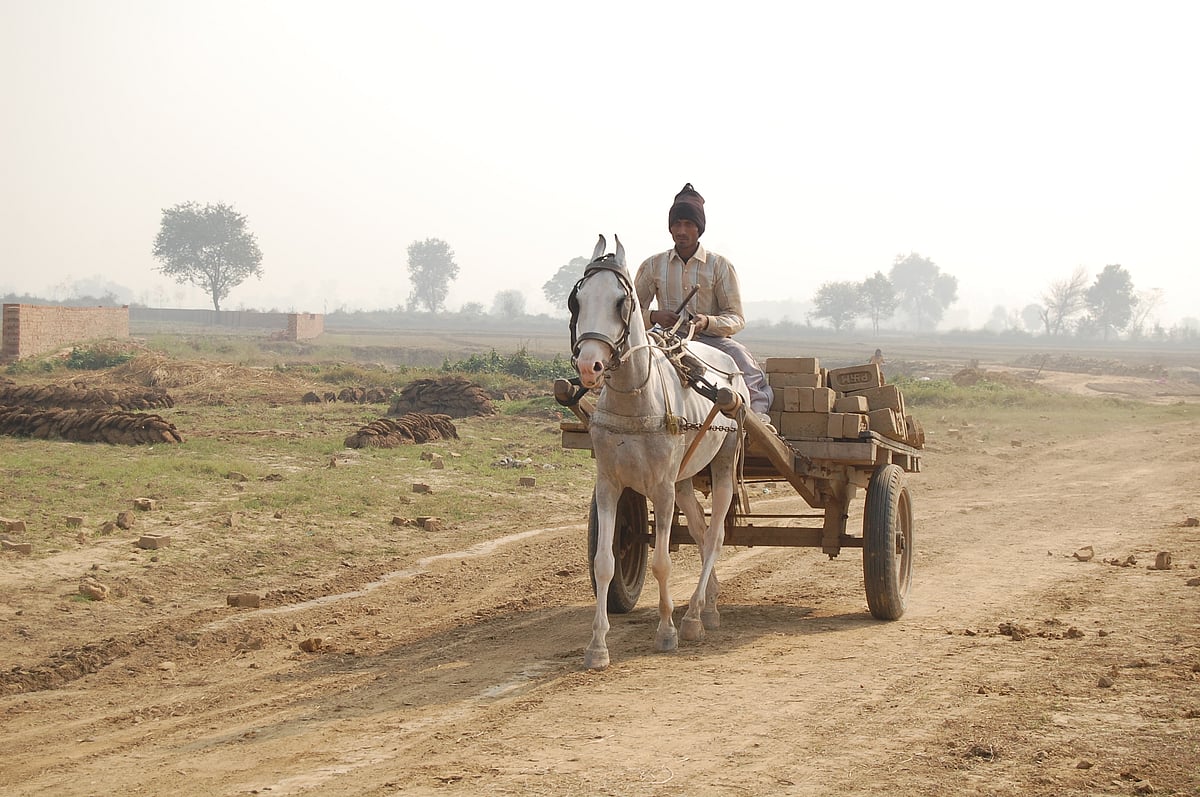
Where in Southasia was this photo taken? Click on your guess below!
Mera Kachori, Peshawar
Noida, Uttar Pradesh
Chilaw, Puttalam