This week saw several stories vying for our attention. Leaked letters from Korea’s Unification Church revealed the church’s influence on Nepal’s political parties. The exiled former prime minister of Bangladesh, Sheikh Hasina, made a public address in Delhi, sparking anger. But this week saw the European Union and India sign a landmark trade agreement even as many countries in the Global North have been imposing more restrictions on Southasians. We scour the headlines week on week so you don’t have to, so make sure to sign up to our Patrons programme to support our work on Southasia, from Southasia.
To contribute more, visit himalmag.com/support-himal.
This week in Himal
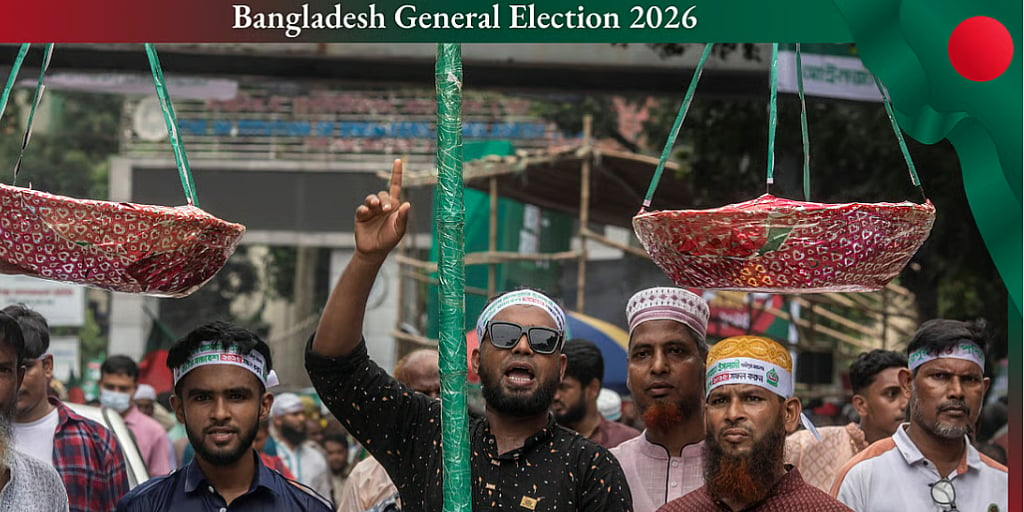
Shakeel Anwar writes about the alliance between the student-led National Citizen Party and the Islamist party Jamaat-e-Islami, giving the latter a chance to rebrand ahead of the first elections after the July 2024 protests that led to the ousting of Sheikh Hasina, and revealing the country’s political condition, leading to uneasy coalitions.
Also read: Myanmar’s political prisoners belie the junta’s talk of democratic transition
Also read: Romila Thapar on the emergence of a common Indian identity
Also read: Himal Interviews: India’s laws are being weaponised against Muslims
This week in Southasia
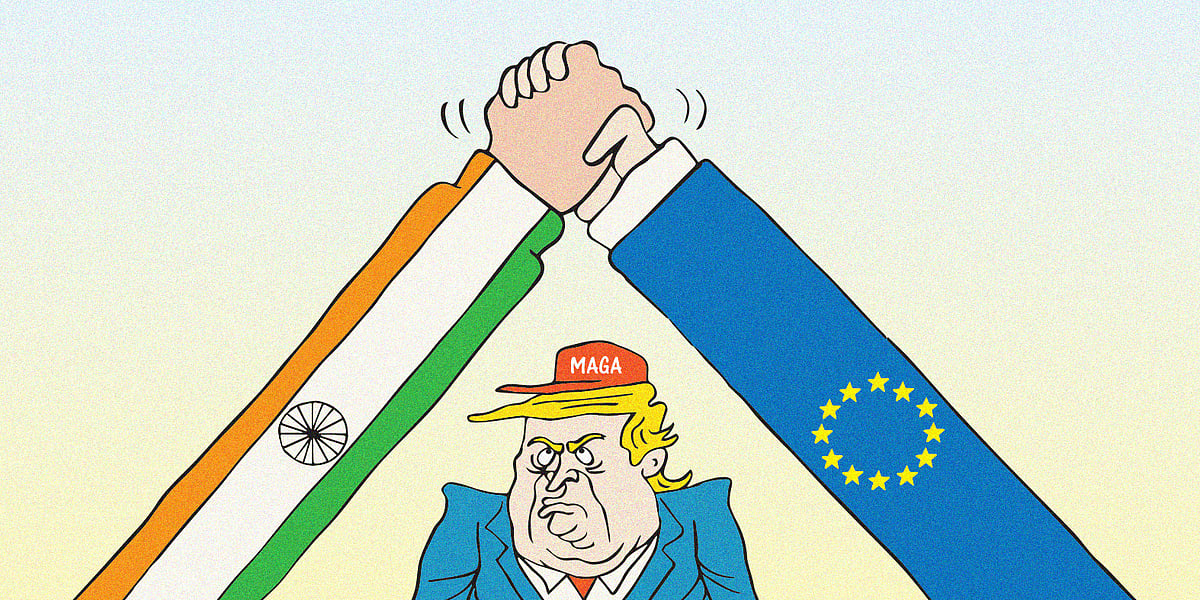
EU and India sign historic trade deal
The European Union and India have announced a landmark trade deal opening the door for tariff cuts, ease of mobility and security collaboration after more than two decades of talks. The agreement is expected to double EU exports to India by 2032, with India to cut tariffs on chemicals, machinery and pharmaceuticals, and with duties on motor vehicles slashed to 10 percent from 110 percent - a significant concession from India as negotiations on a trade deal broke down in 2013 on this point. The EU aims to cut tariffs on a range of goods imported from India including seafood, textiles, leather, handicrafts and jewellery. European Commission president Ursula von der Leyen termed the agreement the ‘mother of all deals’.
Looming large over the deal was pressure from the United States. The Trump administration has imposed a 50 percent tariff on Indian goods, with a final deal still in the pipeline. Tensions between the EU and the US have also been building due to Trump’s ambitions to acquire Greenland. Indian analysts pointed out that the new deal could reduce US dependency and cement the EU’s status as India’s largest trading partner, with trade between the two economies growing to USD 136 billion in 2024-2025. Indian students and workers will see more opportunities opening up across Europe even as the US, Australia and other countries are imposing restrictions on mobility for Indians. India has also signed trade agreements with a number of countries including the UK, Oman and New Zealand in the past year.
Elsewhere in Southasia:
- Exiled former prime minister Sheikh Hasina makes first public address in Delhi, sparking anger from Bangladesh
- Leaked letters from Korea’s Unification Church, under investigation for bribery, show correspondence and influence-buying from Nepal’s former prime ministers
- Deputy chief minister of Maharashtra Ajit Pawar dies in plane crash on his way to attend rally for district council elections, leaving power vacuum in the state’s Nationalist Congress Party
- Airports in Pakistan, Nepal tighten screening measures in airports after two cases of Nipah virus confirmed in India
- 13 leaders of Habiganj district unit of Bangladesh’s National Citizen Party resign citing exclusion of the July movement activists, organisational failures
- Pakistan human rights lawyers Imaan Mazari, Hadi Chattha sentenced to 17 years under Prevention of Electronic Crimes Act for posts about anti-state posts, sparking condemnation
- China executes 11 members of family that ran scam centres in Myanmar for homicide, illegal detention, fraud and operating gambling dens
- Myanmar’s new parliament to be stacked with ‘retired generals, ultranationalists, pro-junta militia patrons and military officers’ after sweeping win claimed by military-backed Union Solidarity and Development Party
- More than 70,000 people flee from Tirah in northwestern Pakistan ahead of planned military offensive against Pakistan Taliban
- Maldives’ Media and Broadcasting Commission prohibits Adhadhu, other media outlets from sharing cartoon of president Mohamed Muizzu prostrating in prayer, in first case under controversial media control law
Revisit the below archival stories from Himal adding more context to this week's news updates from Myanmar, Pakistan and the Maldives
Also read: Interview: Operation 1027 and the growing armed alliance against Myanmar’s junta
Also read: Ahmed Naish on Maldives’s controversial new media regulation law: State of Southasia #34
Also read: Pakistan targets Baloch women leaders amid widening crackdown
Snap Southasia
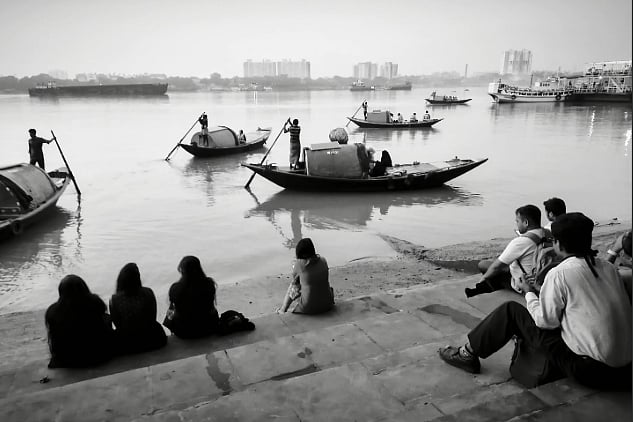
Where in Southasia is this image from? Click on your guess below (and check in next week to see if you guessed right!)
Hooghly River, Kolkata
Padma River, Munshiganj
Deduru Oya, Puttalam