Two weeks ago, Nayantara and I were brainstorming ideas for season 2 of “Partitions of the Heart: Conversations with Harsh Mander” while we were in Kathmandu. We had already seen the distinctive green and orange posters, designed by Siddhesh Gautam, and were playing around with the word saffron. “Saffron soldiers!” I suggested after wracking my brain for some time. “That’s good, but we need an action verb. To show how the RSS’ insidious rhetoric is spreading”, Nayantara said. I spent more time trying to think of names, but couldn’t come up with anything (I blame the lack of coffee). The rest of the team kept brainstorming, coming up with hundreds of combinations - until Roman came up with the perfect name - Saffron Siege.
This season of “Partitions of the Heart”, co-produced by Himal Southasian and Karwan e Mohabbat sees Indian peace activist Harsh Mander speaking to scholars and observers who have studied the RSS - the Rashtriya Swayamsevak Sangh - closely, tracking the slow and steady saffronisation of India (can you tell that I’m a fan of alliteration yet?) Expect a new episode out every Wednesday up until 3 December. The first episode, out now, features 90-year-old Rajmohan Gandhi, Mohandas Gandhi’s grandson, talking about the Hindu Mahasabha and the RSS’ opposition to Gandhi’s vision for India, which ultimately led to his assassination. Personally, it was fascinating to listen and learn from someone who has lived through (and witnessed) history unfold - and whose family member is a much-recorded historical figure himself. Make sure to support our work so we can bring you more crucial conversations like this one.
With that, I bring you this week’s update.
This week in Himal
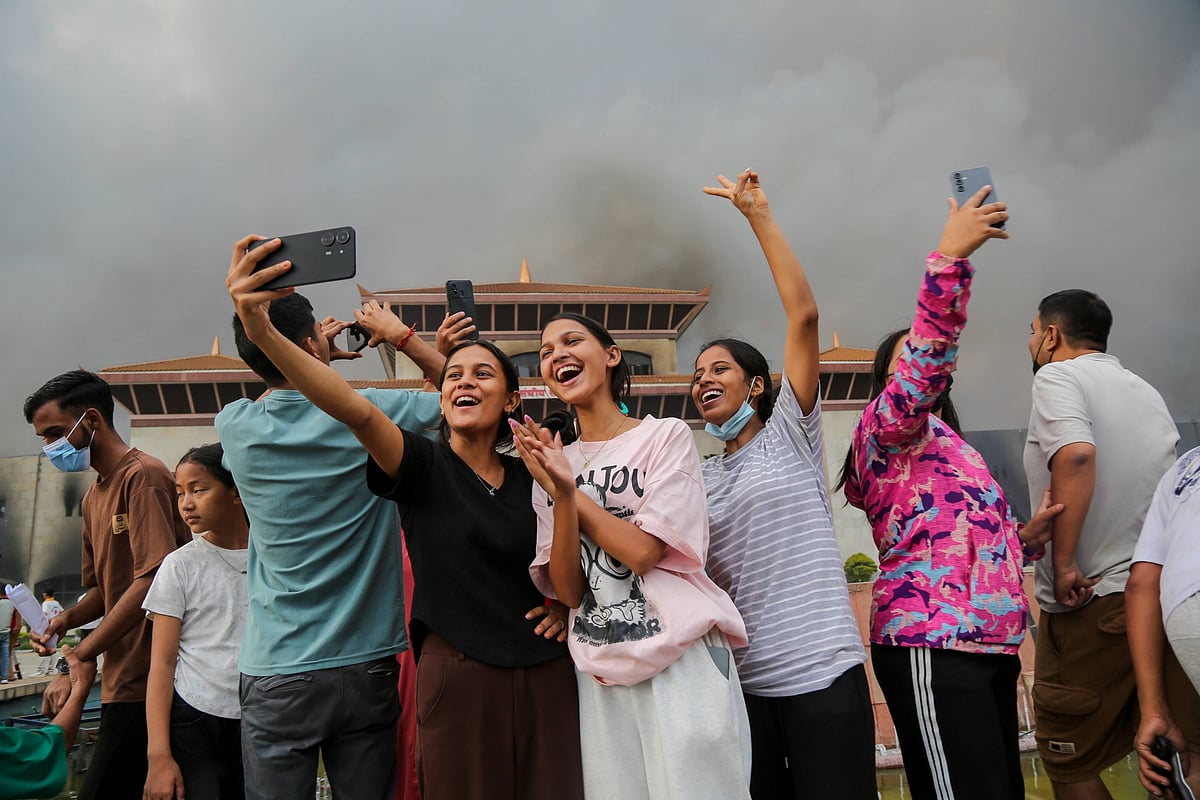
Himal Engagement Editor Sushim Thapaliya tracks Nepal’s Gen Z-led protests as they unfolded on social media over the course of five days - from multiple high profile corruption cases in Nepal to the #NepoBaby trend that started in Indonesia around student-led protests, to the blocking of multiple social media platforms for failing to register in the country.
Stay tuned for the upcoming episode of the Southasia Review of Books podcast, where host Shwetha Srikanthan talks to award-winning food writer and novelist Shahnaz Ahsan about her new book, "The Jackfruit Chronicles: Memories and Recipes from a British-Bangladeshi Kitchen", which guides readers through the vibrant flavours and story of Bengali food and its place in Britain.
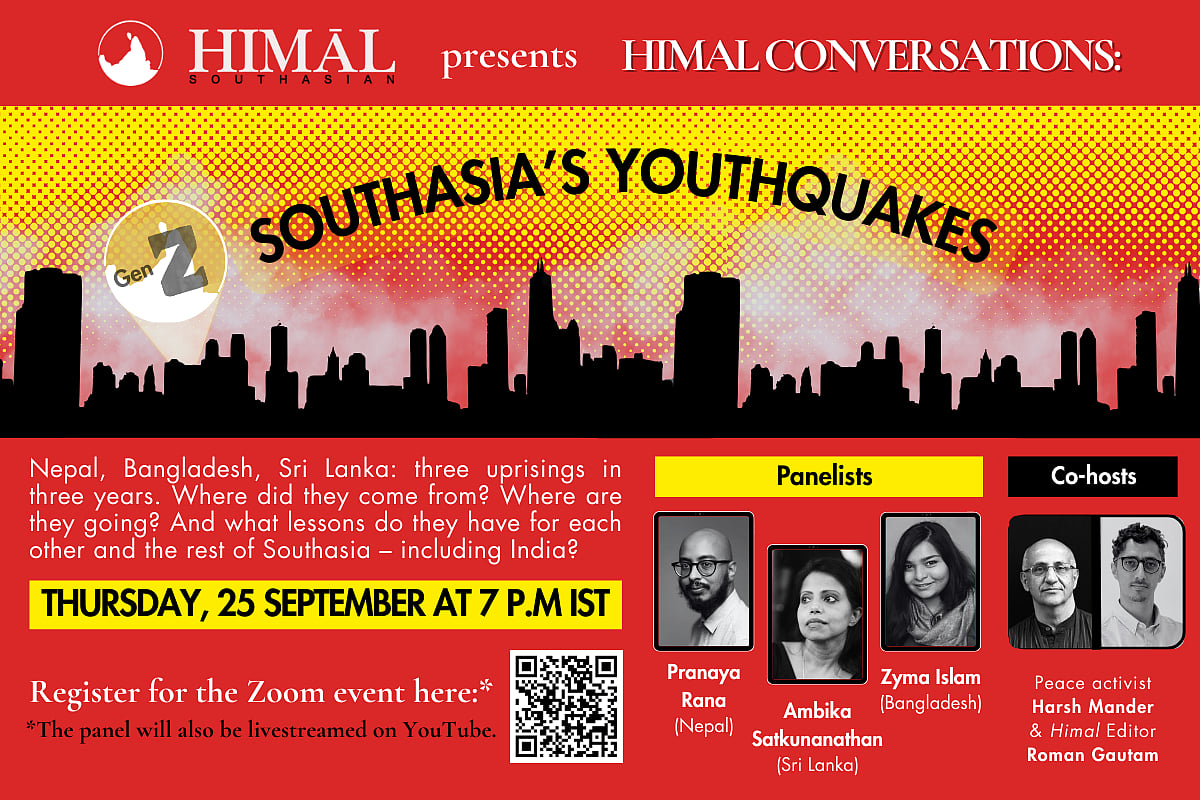
We’re excited to announce a new edition of Southasia Conversations: Southasia’s youthquakes, which will bring together commentators who covered or closely followed youth-led protests in Nepal, Bangladesh and Sri Lanka, co-hosted by Himal Editor Roman Gautam and Indian peace activist Harsh Mander. Join us on 25 September at 7 pm IST - sign up to register here.
This week in Southasia
Maldives pushes through repressive ‘media control’ bill
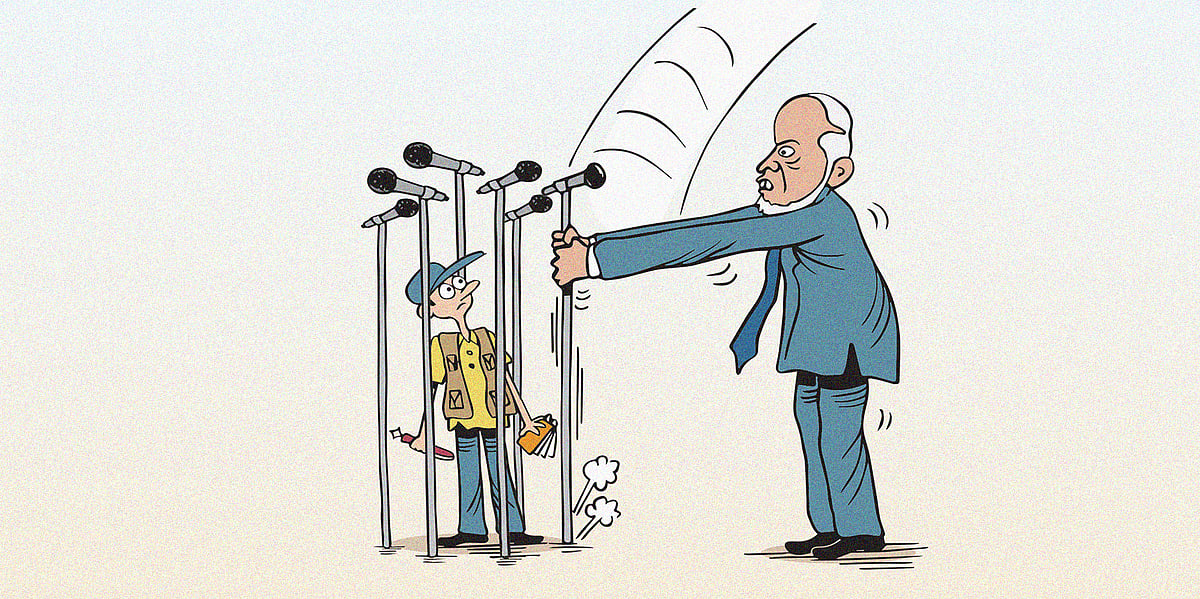
On 16 September, the Maldivian parliament pushed through the Maldives Media and Broadcasting Regulation Bill, with 60 votes from the ruling People’s National Congress, while seven members of the opposition Maldivian Democratic Party were expelled before the vote after protesting inside the chamber. While the government says the bill seeks to create a central body to oversee broadcast and online media, critics say the new law allows for the creation of a government-controlled commission which includes presidential appointees as members. The commission will have sweeping powers, including the power to impose fines, suspend registrations and block news websites. The bill was passed without consultation with journalists. Police clashed with protesting journalists outside parliament, with at least one journalist detained and several injuries reported.
Even prior to the bill, the Maldives’ media environment was constrained, with journalists facing threats from the government and Islamist groups. Journalists and bloggers have been abducted or killed, with key suspects in their cases acquitted, leading to an atmosphere of impunity and self-censorship. Since the introduction of the bill, journalists voicing opposition have been targeted by an online smear campaign while Parliament Majority Leader Ibrahim Falah said journalists opposing the bill should be ‘impaled’. The politicisation of independent commissions is also not a new phenomenon in Southasia. Sri Lanka’s Online Safety Commission is also President-appointed and has broad powers including the power to order removal of online content, while India’s proposed Broadcasting Services (Regulation) Bill, withdrawn after public outcry, sought to bring digital platforms and content creators under a single regulatory framework.
In light of these events, Aisha Rasheed’s 2021 story about the stalled investigation into her brother, Yameen Rasheed’s death, is worth revisiting, as is Mushfiq Mohamed’s article from 2023, tracing the struggle for justice for disappeared Maldivian journalist Ahmed Rilwan.
From the archive
Also read: No end in sight
Elsewhere in Southasia:
- Pakistan and Saudi Arabia sign mutual defense treaty in wake of Israeli strike on Qatar
- 5.8 magnitude earthquake hits northeastern India, damaging houses in Assam but claiming no lives
- Indian Supreme Court accepts findings of Special Investigation Team that found no foul play in acquisition of wildlife by Vantara, the massive private wildlife project backed by the Reliance conglomerate
- India cricket team refuses to shake Pakistan team’s hand after Asia Cup match on 14 September, holds memorial for Pahalgam attack, match referee replaced for Pakistan matches in ensuing tension
- Interim Nepali Prime Minister Sushila Karki appoints energy, finance and home ministers ahead of scheduled March 2026 elections
- Policy dictating Muslim property donation tradition “waqf” partially struck down by Indian Supreme Court after April 2025 amendment centralised authority in cases of invalid documentation; disputed properties left up to private litigation
- Ousted Bangladesh prime minister Sheikh Hasina and nine of her family members cannot cast votes in the next election as their National Identity Cards are locked, Election Commission officials say
- 17 acquittals among 116 verdicts rendered from 2020 Delhi riots trials reveal evidence of fabricated complaints and trumped-up charges by local police in India
- Myanmar junta airstrike kills 18, mostly students, in Rakhine state on 12 September
- Afghanistan bans internet access in northern Balkh region, the first restriction of its kind under Taliban rule, citing concerns about immorality
- India’s stock market regulator dismisses Hindenburg Research’s allegations against the Adani group
- US President Donald Trump says US working to re-establish presence at Bagram airbase in Afghanistan, four years after US withdrawal and Taliban takeover
Revisit some of our archival stories adding more context to some of this week's news updates from India and Myanmar
Also read: How fascism works in India
Also read: The costs of Reliance’s wildlife ambitions
Also read: Before Democracy
Snap Southasia
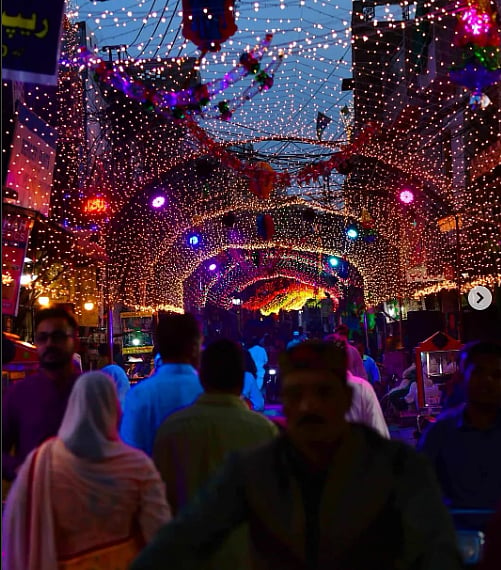
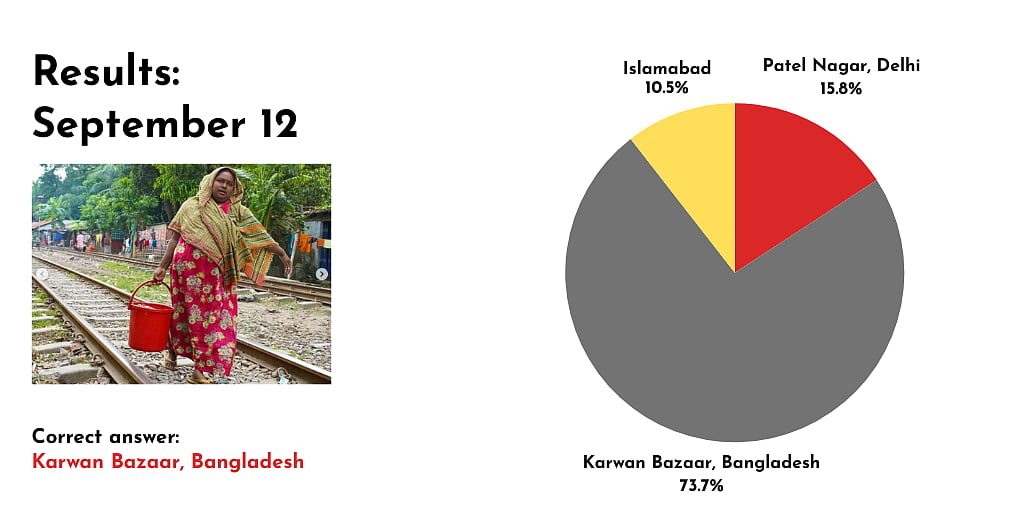
Where in Southasia was this photo taken? Click on your guess below!
Rajasthan, India
Rawalpindi, Pakistan
Dhaka, Bangladesh