This week in Himal
We’re just four new Patrons short of our halfway target of 19 in our 38 Patrons for 38 years campaign to mark the 38th anniversary of Himal Southasian this May. Click here to join our Patron programme and help us on our way to 38 new Patrons this month. We have a special surprise coming up at the end for all new Patrons who come aboard in May – so become a Patron today!
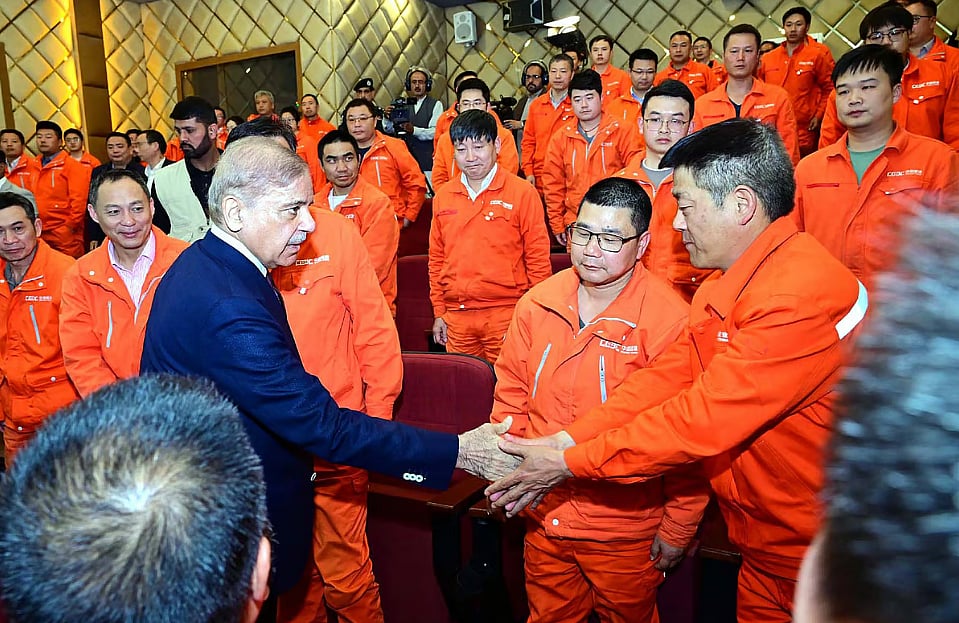
This week, Salman Rafi Sheikh writes that Pakistan’s flawed domestic and foreign policies, especially its mishandling of Afghanistan, have led to deteriorating relations in both the United States and China. Pakistan faces hard choices if it wants to salvage its fortunes – if the establishment wants to make them.
Don’t miss Jeevan Ravindran’s story on Galkande Dhammananda, a Buddhist monk, and his quest to fight Sinhala-Buddhist extremism after Sri Lanka’s civil war.
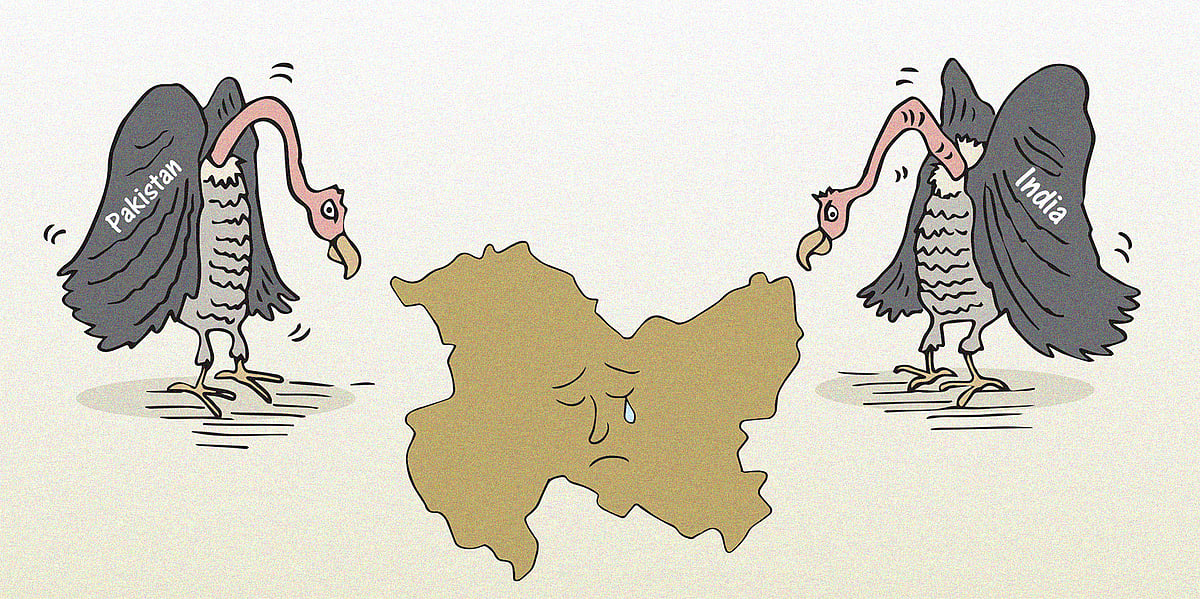
For the next episode of the State of Southasia podcast, host Nayantara Narayanan speaks with Anuradha Bhasin, managing editor of Kashmir Times, on Kashmir’s long history of conflict, caught between India and Pakistan, in light of the recent Pahalgam attack and its aftermath.
This week in Southasia
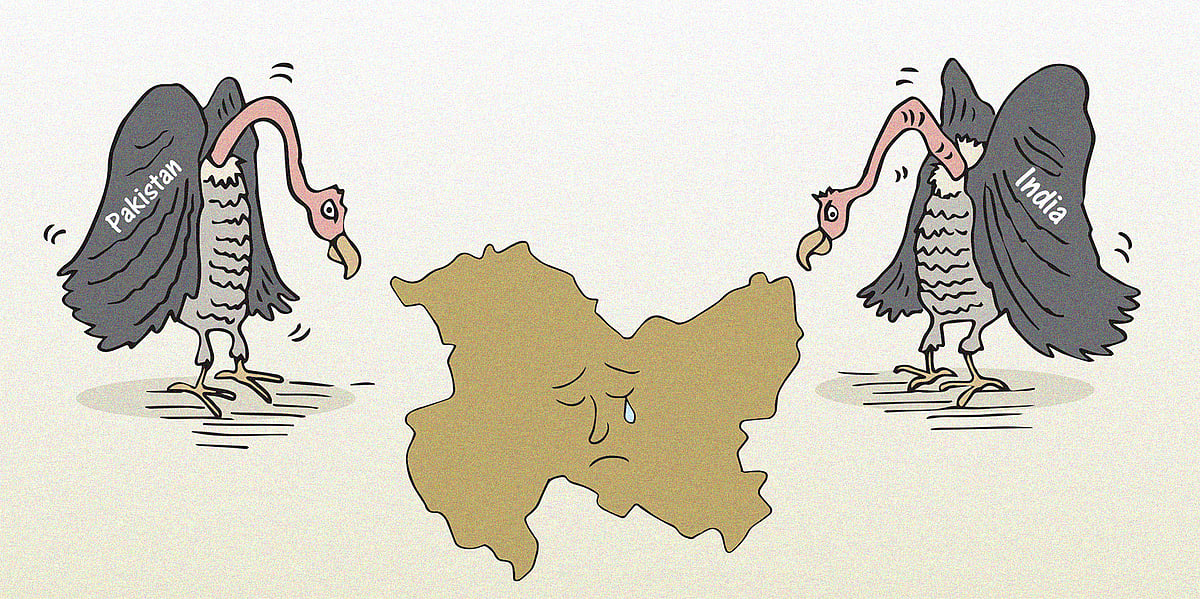
On 7 May, India launched a series of air-strikes on Pakistan and Pakistan-administered Kashmir, two weeks after the Pahalgam attack in which 26 people lost their lives. India claimed the strikes targeted nine “terrorist infrastructure” sites across Pakistan and Pakistan-administered Kashmir. Pakistan’s military said only six locations were hit and that 31 civilians were killed in the attacks, adding that it shot down one Indian drone near Lahore and at least two Indian airplanes, which India has not officially confirmed. Shortly afterwards, 12 civilians were killed in Poonch due to artillery shelling from Pakistan’s army. India says Pakistan has repeatedly violated the 2021 ceasefire agreement in the last two weeks, with heavy shelling reported across the Line of Control in four Jammu and Kashmir districts.
These skirmishes have been accompanied with digital censorship. X (formerly Twitter) has withheld over 8000 accounts in India, citing orders from the Indian government. The accounts include digital news portals like the Wire, the Kashmiriyat and Maktoob Media, while journalists Journalist’s X accounts, including that of the managing editor of the Kashmir Times, Anuradha Bhasin were also blocked in India, as was the official account of X’s own Government Global Affairs team.
As tensions escalated after the Pahalgam attack, India’s mainstream media and political leadership have worked to fuel communal hate. Newspaper headlines used the words ‘justice’ and ‘payback’ when describing the 7 May air strikes, while incendiary music tracks targeted Indian Muslims as well as Pakistanis. India’s prime minister Narendra Modi’s speech after the Pahalgam attack appeared primed to deepen majoritarian sentiment. Modi dubbed the strikes ‘Operation Sindoor’, deliberately evoking the image of weeping Hindu widows in order to justify the attacks. This rhetoric is already leading to collective punishment, with Muslims across Uttar Pradesh, Haryana, Maharashtra and Uttarakhand being threatened or attacked. Much of the attacks have impacted Kashmiris, with reports of evictions, assaults on street vendors and harassment of students. Residents of Kashmir, who are caught in the middle, have called for de-escalation and expressed fear that any further attacks will lead to more civilian deaths.
The spiralling tensions put an effective end to the ceasefire that, against the odds, had held along the Line of Control between India and Pakistan in recent years, offering some much-needed respite to those who live alongside it. From the Himal archive, this piece by Auqib Javeed is a reminder of the fruits of peace, and of what is being lost as the war drums beat louder.
From the archive (June 2023)
Also read: Hopes and fears on the LoC after two years of ceasefire
Elsewhere in Southasia
- Bangladesh’s former prime minister Khaleda Zia returns to Dhaka after medical treatment in London, raising pressure on interim government to set date for national elections
- The young woman who fell from an apartment that sparked weeks-long protests in the Maldives says she did not jump on her own, disputing police accounts
- More than 300 people in Myanmar fled into Thailand to seek refuge following an attack on the military base in Kayin state by ethnic armed groups
- Pro-monarchy forces in Nepal announces indefinite nationwide protests from 29 May, calls for civil disobedience, mass mobilisation
- The US Supreme Court announces resuming the process of Afghan immigration cases starting 12 May
- The United States imposed economic sanctions on the rebel Karen National Army in Myanmar and its leader Saw Chit Thu, saying they played a key role in facilitating cyber scams
- Sri Lanka holds local government election; ruling National People’s Power wins overall and retains control of 100 local bodies, but faces challenges in building administration as combined Opposition has won more seats in some areas
- India-Pakistan hostilities impact trade in Afghanistan; more than 150 containers of Afghanistan’s exports, mostly dried fruit, stranded at Wagah border
- Pakistan imposes new passport and visa rules at Torkham border crossing into Afghanistan due to ongoing tensions between the two countries over cross-border militancy
- Maldives president Mohamed Muizzu dodges questions on corruption scandals and political appointees and denies judicial interference in marathon 15-hour press conference
- Kerala journalist and activist arrested in Nagpur for social media posts critical of the government
- Former chief correspondent at news outlet Channel Mandalay Win Naing Oo released on 6 May after completing sentence on terrorism charges
- Riot police deployed at large protest over suicide of 16 year old in sexual abuse case in Sri Lanka; teacher involved transferred
- New data released by Indian government shows more than 1.9 million excess deaths in 2021 compared to 2019, many attributed to Covid-19
Only in Southasia
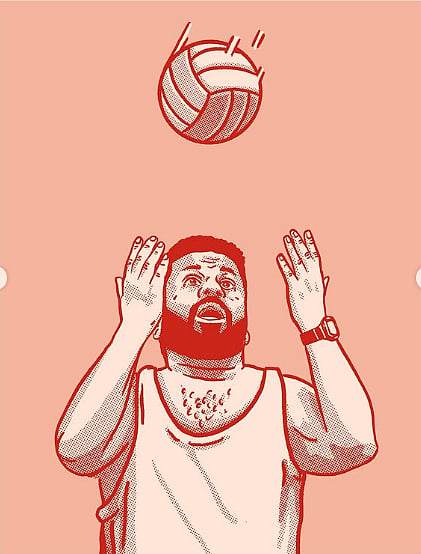
Over the past week, a photo of Sri Lanka’s president Anura Kumara Dissanayake has gone viral despite his best efforts. Photographer Lahiru Harshana captured Anura Kumara Dissanayake at an awkward angle during a speech he was making at a May Day rally in Colombo. The Presidential Media Division contacted the photographer, Lahiru Harshana, pressuring him to take the photo down. Unfortunately for the President, Sri Lankans had the last laugh, promptly sharing the original photo and eventually turning it into a meme, with the president shown doing everything from catching a volleyball to tossing pizza dough.