
This week in Himal
We’re just 13 new Patrons short of reaching our target of 38 Patrons for 38 years to mark the 38th anniversary of Himal Southasian this May. Click here to join our Patron programme and help us on our way. We have a special surprise coming up at the end for all new Patrons who come aboard in May – so become a Patron today!
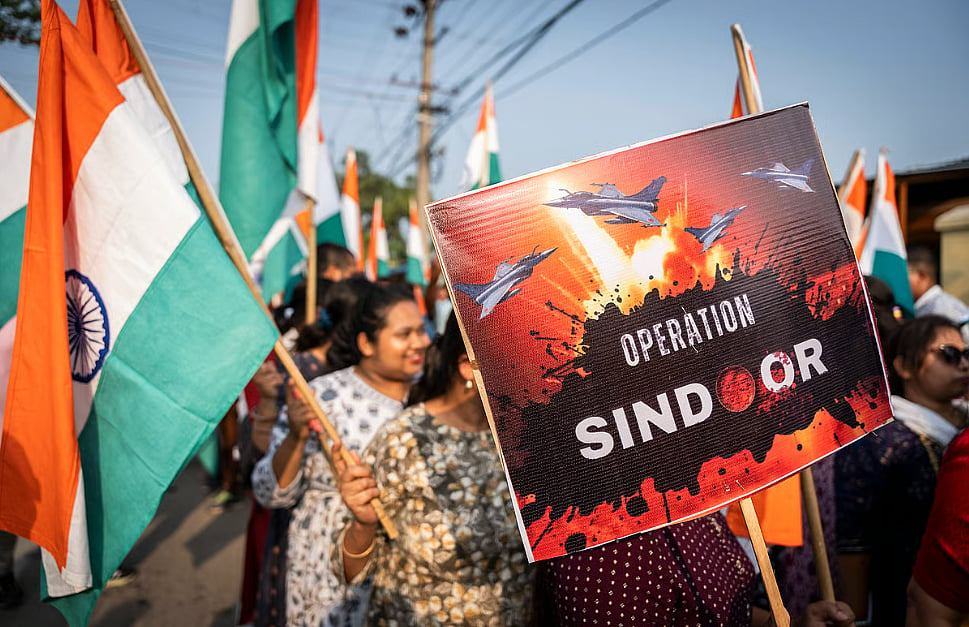
This week, Rahul Rao writes about India’s near-complete surrender to war lust in the wake of the Pahalgam attack. Kashmir has receded from view in the wake of the belligerent rhetoric employed by the ruling BJP with few other opposition parties offering a counterpoint, he writes.
Don’t miss Auqib Javeed's story on how residents of Kashmir protected tourists and protested against the Pahalgam violence - but are still being subject to retaliatory attacks, assault and harassment.
For the next episode of the Southasia Review of Books podcast, host Shwetha Srikanthan speaks with author Thomas Bell about Human Nature, which follows the author on four walks through the Himalaya, blending folklore, literature, art and anthropology to offer a walking history of the Himalayan landscape.
Also read: Kashmiris opposed the Pahalgam attack yet still face the brunt of the fallout
Also read: India’s complete surrender to war lust after Pahalgam
This week in Southasia
Bangladesh’s interim government bans the Awami League
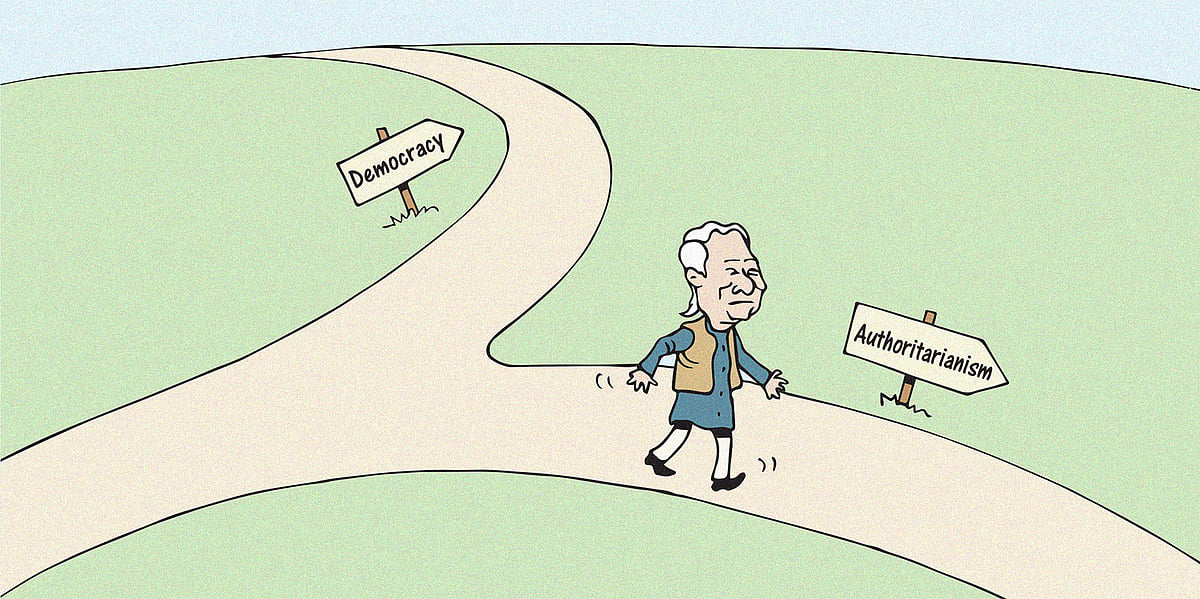
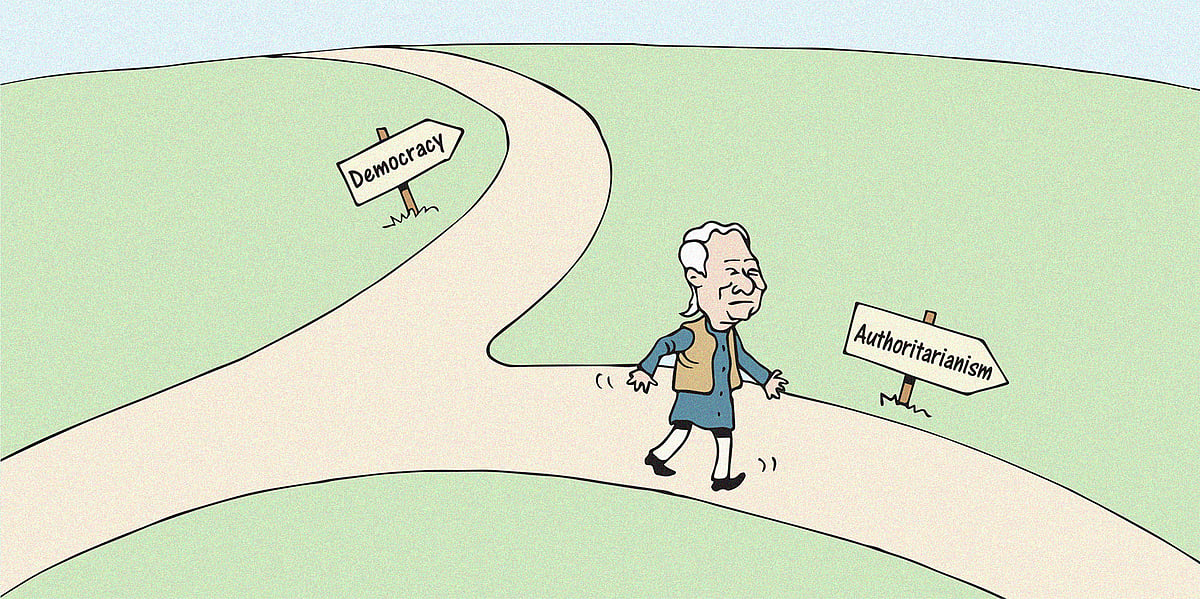
On 12 May, Bangladesh’s Elections Commission cancelled the registration of the Awami League party, effectively barring it from contesting in the next national elections. The decision came hours after the interim government issued an official notification banning all activities of the Awami League under the Anti Terrorism Act. The ban would last until the trial of the party and its leadership over the death of hundreds of protesters during the July 2024 uprisings that ultimately led to the removal of Sheikh Hasina as prime minister, the interim government said.
While Hasina’s regime was marked by violent authoritarianism, with elections often marred by allegations of vote-rigging and other irregularities, the new interim government is facing growing criticism. Tasked with introducing legal reforms to allow for the peaceful transfer of power, the interim government announced an amnesty for student protesters and has downplayed revenge violence targeting Awami League supporters. In February, a fresh bout of violence erupted after Hasina said she would address Bangladesh from India. The head of the interim government, Muhammad Yunus, has yet to set a date for elections due to ongoing reforms, and is facing growing pressure from the Bangladesh Nationalist Party who stands to benefit the most from swift elections.
Two recently released reports from the United Nations and Human Rights Watch confirm the Awami League’s responsibility for the death of thousands of protesters, but also warns Bangladesh’s interim government from replicating the poor practices of the previous regime, which will mar any transitional justice process and may allow the winners of the next election to continue in the vein of their predecessors. Cyrus Naji’s article from February 2025 laying out the content of these reports is worth revisiting in the light of the Awami League ban.
From the archive (February 2025)
Also read: New reports caution Bangladesh against “replicating poor practices” of the Sheikh Hasina regime
Elsewhere in Southasia
- India authorities allegedly throw 43 Rohingya refugees detained in New Delhi into international waters near the maritime border with Myanmar, forcing them to swim for safety. In separate incident, 75 Bangladeshis and three Indians ‘pushed’ across riverine border into Bangladesh after rescue from the Sundarban after Pahalgam attack, Gujarat police deny the group was pushed into water
- Myanmar’s junta bombs a rebel-controlled village in Rakhine state, killing more than a dozen civilians, a day after airstriking a targeted school in Sagaing, leaving at least 11 children dead
- India and Pakistan expel diplomats as tensions simmer in wake of military exchanges before a ceasefire was agreed last week
- At least 21 people have died in Sri Lanka after a state-owned bus plunged off a cliff in the central region of Ramboda. The bus was carrying 75 passengers on a pilgrimage to Kurunegala in the northwest.
- At least 13 Kabul residents have been wounded by Ahmad Shah Massoud supporters in shooting spree last Saturday, the 16th anniversary of the former militant leader’s assassination, the Taliban’s Interior Ministry confirmed
- Maldives Parliament impeaches two Supreme Court judges, deepening political crisis after president Mohamed Muizzu’s push to amend the constitution to strip legislators of their seats if they switch political parties
- In new BBC report, UK veteran soldiers detail war crimes including illegal killings of detainees in Afghanistan and Iraq dating back over a decade
- India blocks Chinese, Turkish media on X (formerly Twitter) over coverage of Pahalgam
- A 5.7 magnitude earthquake struck Tibet in the city of Shigatse on Monday. No casualties or damages have been reported yet.
- Glacier experts from India, China, Bhutan and Nepal pay tribute to threatened Yala glacier, rapidly retreating due to the climate crisis
- Nepal appoints chair of Truth and Reconciliation Commission, commission on enforced disappearances despite reservations of conflict victims, human rights organisations
Only in Southasia
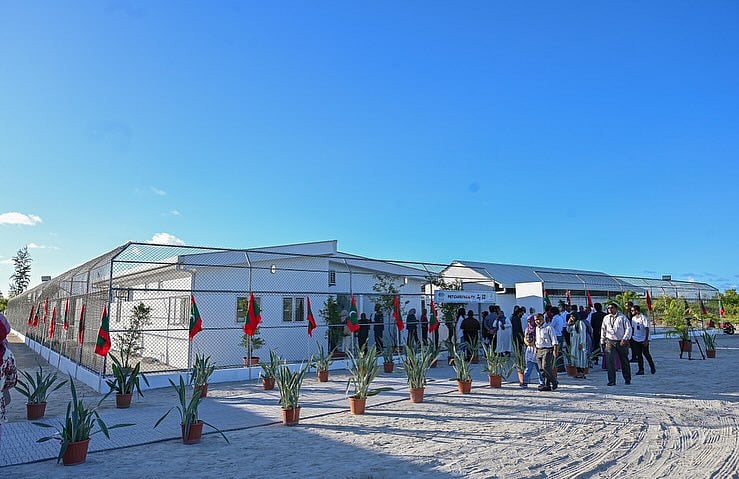
This week Maldives’ Agriculture Minister pointed out that the Agriculture Ministry had more political appointees (48) than cats in the Olhu Hiya cat facility, which the Agriculture Ministry manages (the facility is home to just 30 cats). Despite this new facility being inaugurated months ago, the facility has not been taking in any stray cats. The Minister added that Olhu Hiya needed more resources to take in more stray cats - estimating the Ministry would require MVR 700,000 a month (just over USD 4500) for 2000 cats. We know the Maldives is struggling with its own burgeoning economic crisis - but we have a feline this might just be the purrfect investment (while noting that perhaps the costs should have come up a little earlier on during the process?)