
This week in Himal
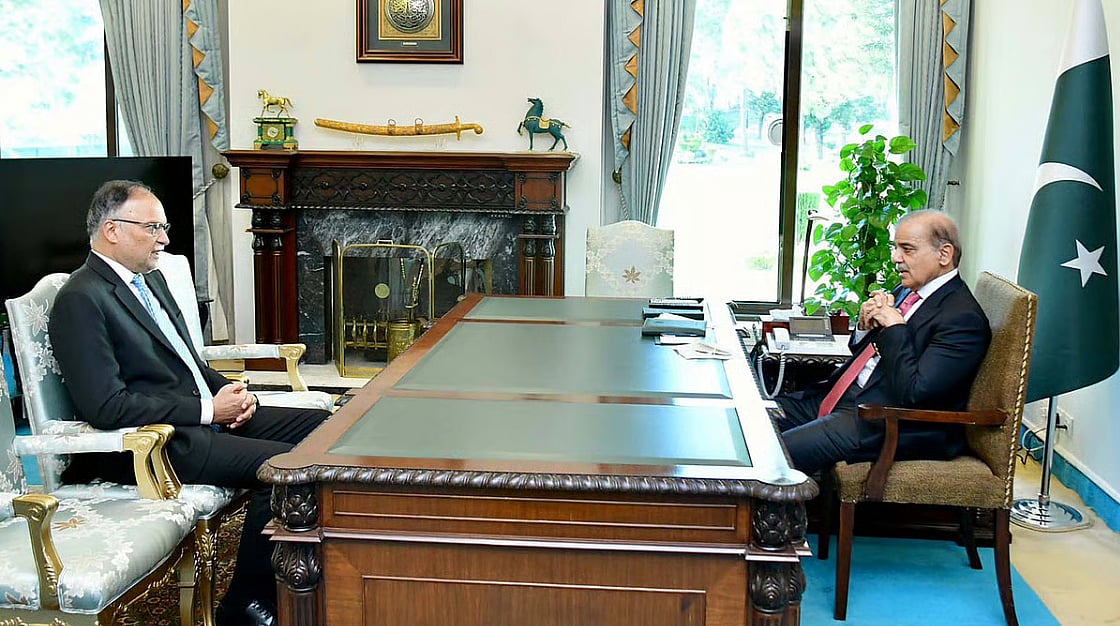
This week, Salman Rafi Sheikh looks at recent discussions on amending Pakistan’s National Finance Commission award, which has revived fears that Pakistan’s provinces will lose out due to fiscal recentralisation.
Also out this week, Srikar Ragavan revisits the political and intellectual life of Kannada scholar M M Kalburgi, ten years after his assassination by Hindu nationalists - don’t miss it!
For the upcoming episode of the Southasia Review of Books podcast, host Shwetha Srikanthan speaks to British-Bangladeshi writer Saima Begum on her debut novel “The First Jasmines”, which follows the stories of two sisters captured and imprisoned by the Pakistani military in the final weeks of the Bangladesh Liberation War in 1971.
You have three more days to sign up to watch Burma Storybook, directed by Petr Lom, our September screening of Screen Southasia in collaboration with Film Southasia. Sign up to watch it here.
Also read: M M Kalburgi’s life and legacy in the crosshairs of history
Also read: Pakistan’s struggle to reshape its fiscal federalism
This week in Southasia
A string of natural disasters leaves Afghanistan, Pakistan and northern India reeling
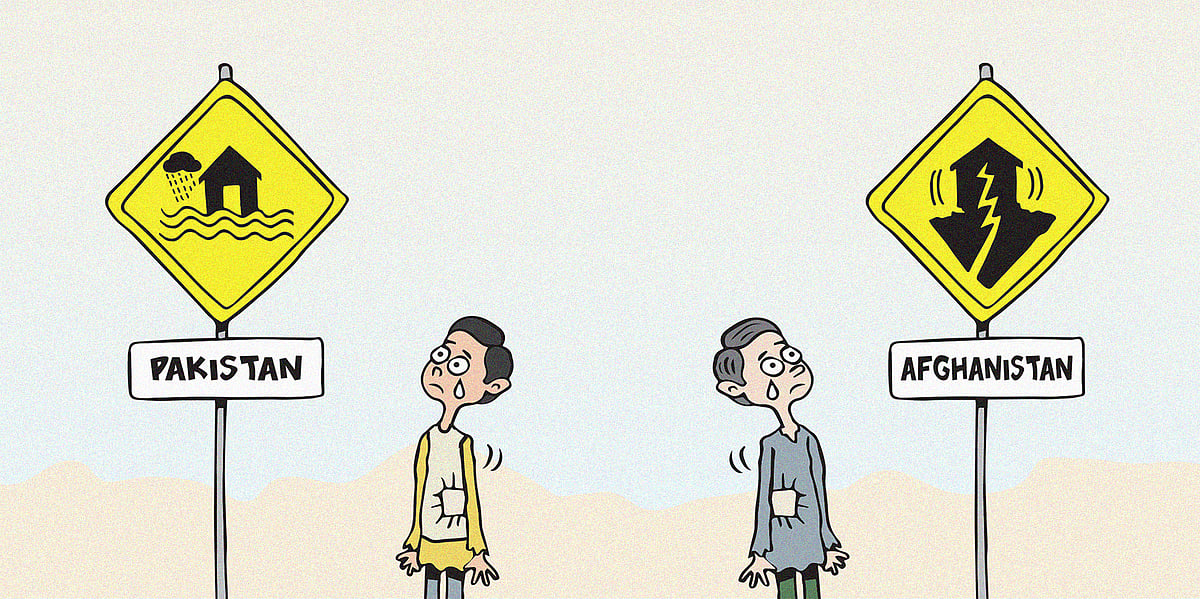
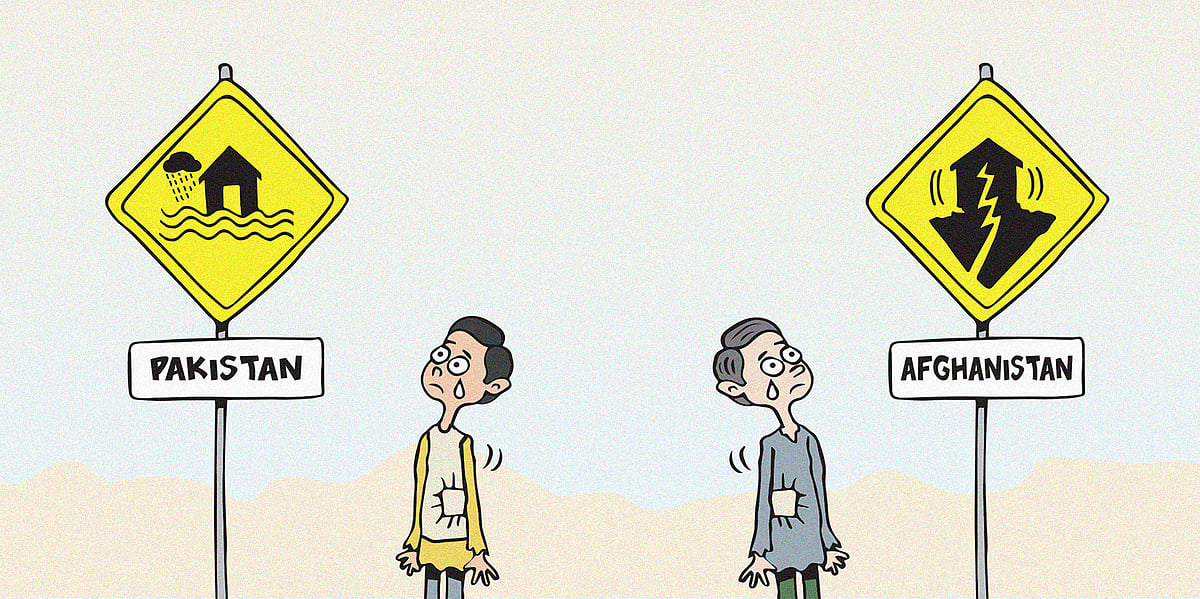
Southasia grappled with natural disasters this week. In Afghanistan, an earthquake of 6.0 magnitude struck the mountainous Kunar province in the east, killing over 2200 people according to the Taliban administration, with strong and repeated aftershocks recorded. Survivors from Kunar province say there are deaths in every home, with entire livelihoods lost and villages flattened. Across north India and Pakistan’s Punjab province, more than two million people have been impacted by what is already being described as the ‘biggest flood in history’ after all three major rivers in Punjab overflowed simultaneously. More than 2000 villages have been inundated, with many families losing their entire crop and their homes.
For both countries, natural disasters have compounded existing vulnerabilities, in the broader context of political instability and fragile governance structures. Some of those impacted by the earthquake in Afghanistan were recently deported from Pakistan, sparking calls from the UN to halt the process, sparked by tensions over crossborder militancy. Funding cuts to Afghanistan after the Taliban takeover in 2021 have also impacted humanitarian response. Reports have also emerged that rescuers have prioritised men and children for medical treatment over women due to gender discrimination.
While Pakistan’s economy has been showing signs of stabilisation, analysts warn that inflation is expected to spike after the floods. India used diplomatic channels to warn Pakistan about flooding, rather than through the Indus Water Treaty which remains suspended after the Pahalgam attacks, but Pakistan has accused India of deliberate flooding by deliberately releasing excess water from its dams without timely warnings, though water experts have said there is no evidence of this - rather, experts have pointed to climate change as the key factor for heavier rainfall.
For broader context, our interview with Najibullah Sadid in the wake of the 2023 earthquake in Herat is important to revisit, as is our article from Daanish Mustafa from May 2025 in the wake of the suspension of the Indus Water Treaty.
From the archive
Also read: Pakistan loses nothing from India’s suspension of the Indus Waters Treaty
Elsewhere in Southasia
- Nepal Telecommunications Authority bans social media sites including Facebook, Instagram, Whatsapp and YouTube saying they have not registered in the country, seen as crackdown on free speech
- Delhi High Court denies bail to nine individuals held without trial since February 2020 under repressive Unlawful Activities (Prevention) Act for alleged role in Citizenship Amendment Act protests
- Political violence in Pakistan kills at least 25, including 14 in Balochistan suicide bombing, on 2 September
- In good news for regionalism, India grants free entry to Nepali and Bhutanese immigrants without passports or visas at the border in new Ministry of Home Affairs directive, extending additional flexibility to Tibetans and some religious minorities from Afghanistan, Pakistan and Bangladesh
- Nepal announces plan to track all foreign visitors with digital registration technology from 17 September, citing tourism experience and emergency security improvements
- Bangladesh interim government outlaws individuals with charges of “crimes against humanity” from seeking public office or contesting elections under amendment of its 1973 International Crimes (Tribunal) Act
- Indian PM Modi meets with acting president of Myanmar prior to Shanghai Cooperation Center summit for second time since April, agrees to support junta’s planned December elections along with China
- Maldivian parliamentarians’ financial statements disclosed on Majlis legislative body website, revealing limited personal funds despite frequent luxury service usage
- Sri Lankan president Dissanayake visits uninhabited island Katchatheevu, in the wake of comments from BJP leadership and Tamil actor Vijay pushing for the island’s reintegration with India
- Nepal prime minister K P Sharma Oli discusses Lipulekh Pass issue in China visit, India calls Nepal’s objection to India-China trade ‘unjustified and untenable’
Revisit some of our archival stories adding more context to some of this week's news updates from India, Nepal and Sri Lanka
Also read: And then they came for my Instagram filter
Also read: Reading Arendt while India erupts
Snap Southasia
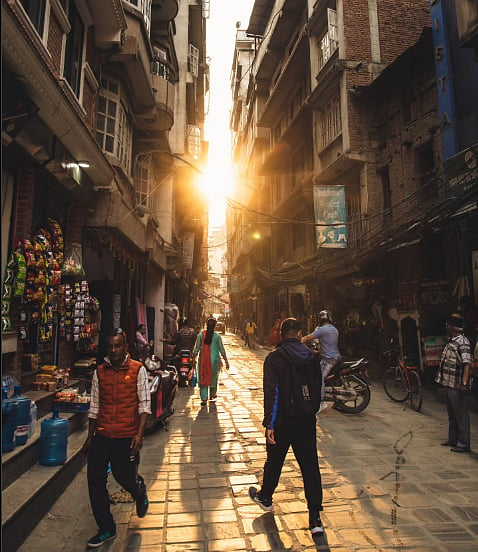
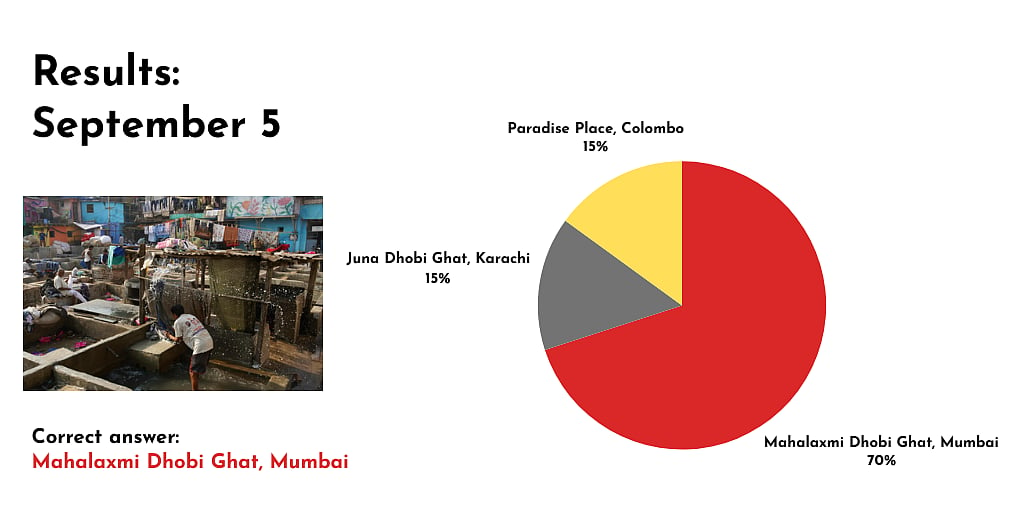
Where in Southasia was this photo taken? Click on your guess below!
Dhaka, Bangladesh
Kathmandu, Nepal
Lahore, Pakistan