
This week in Himal
We’re just 3 Patrons short of making our target of 38 Patrons, to mark the 38th anniversary of Himal Southasian this May! Click here to join our Patron programme and support independent journalism. There's a special surprise coming up at the end of this month for all new Patrons who come aboard – so become a Patron today!
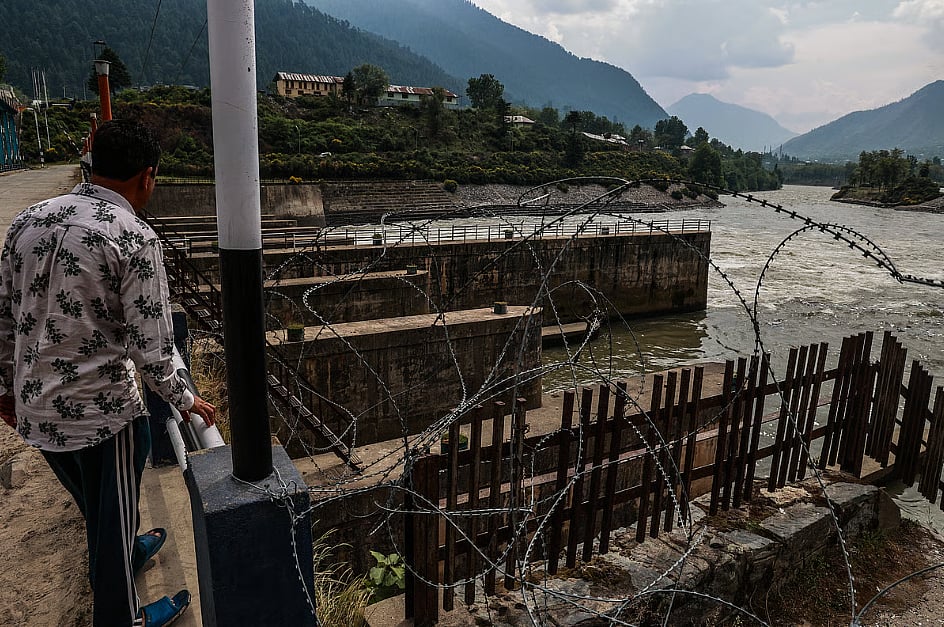
This week, Daanish Mustafa writes that Pakistan’s paranoia about the suspension of the Indus Water Treaty in the wake of the Pahalgam attack is unfounded, based on a lack of understanding in geography, hydrology and water security.
Don’t miss Meghna Rao’s review of Banu Mushtaq’s Booker Prize-winning ‘Heart Lamp’, translated by Deepa Bhasthi, which looks at the lives of Muslim women in Karnataka.
For the next episode of the State of Southasia podcast, host Nayantara Narayanan speaks with investigative health reporter and author Vidya Krishnan about new Indian government data which reveals the extent of the undercounting of deaths due to Covid-19 in the country and the story beyond the statistics.
Also read: The roots of Banu Mushtaq’s literary rebellion
Also read: Thomas Bell on a walking history of the Himalayan landscape: Southasia Review of Books podcast #24
Also read: Pakistan loses nothing from India’s suspension of the Indus Waters Treaty
This week in Southasia
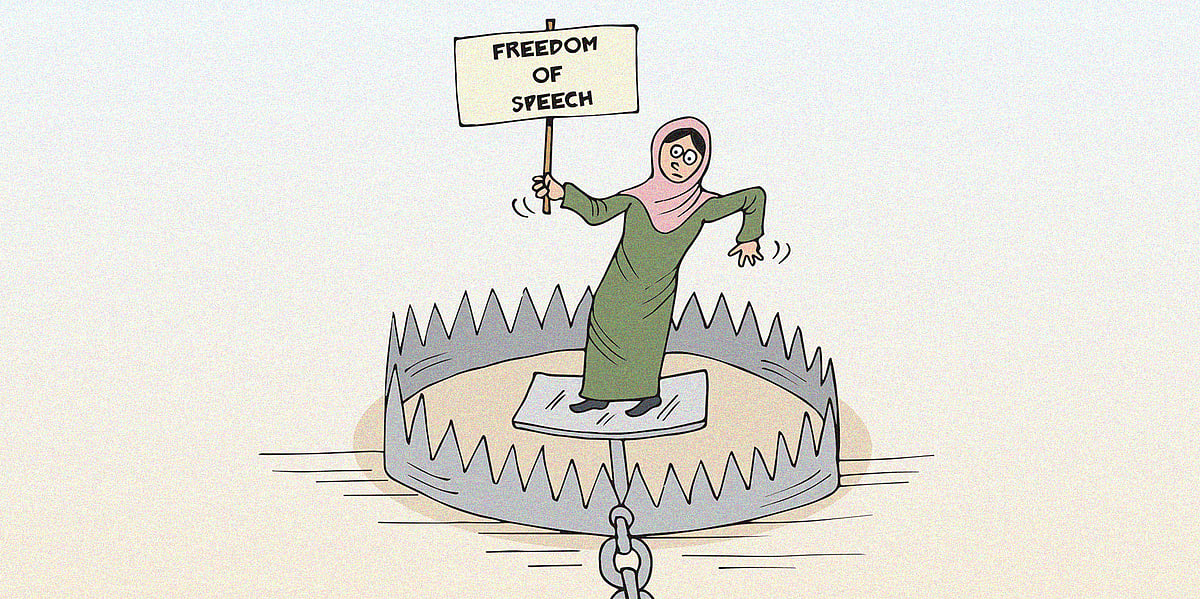
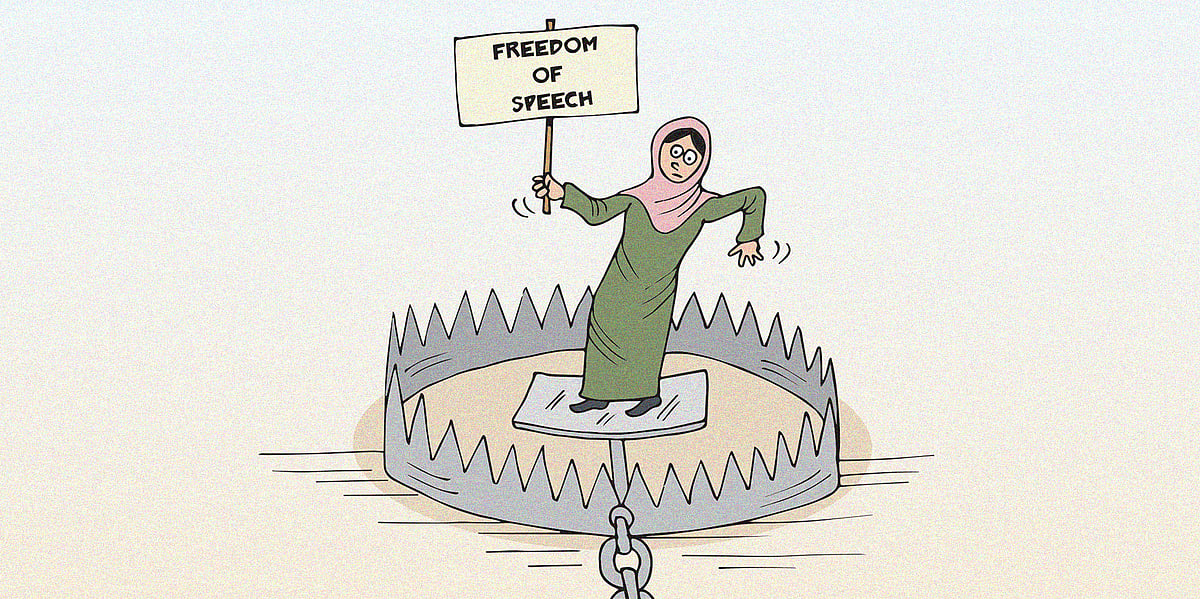
The clampdown on free expression in India after the Pahalgam attacks
In the wake of the Pahalgam attacks, India has experienced a disturbing clampdown on free expression, with its Muslim population under particular scrutiny. Ali Khan Mahmudabad, an Ashoka University professor at the Department of Political Science, was arrested for a social media post which asked for the protection of victims of mob-lynching, bulldozer demolitions after the Pahalgam attacks. While he was granted interim bail, Supreme Court judges termed his post ‘dog-whistling’. The arrest of Indian travel YouTuber Jyoti Malhotra on suspicions of spying for being in touch with a Pakistan High Commission official who was expelled from India earlier this month is another case in point. In Nagpur, a group of activists were also booked on sedition charges for singing Faiz Ahmed Faiz’s poem “Hum Dekhenge” at a memorial event dedicated to actor and activist Vira Sathidar.
Tensions remain high after the Pahalgam terror attacks, with heightened nationalistic fervor creating an environment where any perceived criticism of the Indian government’s response is swiftly suppressed.
On 19 May 2025, the Delhi High Court summarily dismissed a contempt of court case against Himal Southasian and its Editor filed by Greens Zoological, Rescue and Rehabilitation Centre (GZRRC) and the Radhe Krishna Temple Elephant Welfare Trust – both constituent parts of Vantara, the controversial wildlife project established by the Reliance corporation and led by the billionaire Ambani family. The case was filed as Himal Southasian refused to remove an investigative report into the wildlife project’s sourcing of animals. While the Delhi High Court ruled in Himal’s favour, the case highlights the pressure faced by Indian media for critical reports on Vantara, with many media outlets intimidated into silence. In light of this, this week M Rajshekhar’s investigative article on Vantara is relevant reading again.
From the archive (March 2024)
Also read: The costs of Reliance’s wildlife ambitions
Elsewhere in Southasia
- New Right to Information data from Tamil Nadu, India shows at least 304 accused persons remanded to Chennai’s Central Prisons between January and October 2024 sustained fracture injuries, indicating police torture
- UK apparel giant NEXT closes production plant in Katunayake, Sri Lanka, citing high operating costs; over 1400 workers laid off, will receive compensation
- Three children among five killed in suicide bomb attack in Pakistan’s Balochistan province
- Delhi High Court directs Indian commentator to delete abusive posts targeting nine women journalists from Indian media company Newslaundry
- Bangladesh Nationalist Party asks interim government to remove two advisers, pushes for polls in December; Yunus says he feels 'held hostage' by myriad protests, calls for common consensus
- United States’ to review classification of Taliban as “foreign terrorist organisation”, fresh review of US withdrawal from Afghanistan also ordered by US Defense Secretary Pete Hegseth
- Myanmar’s National Unity Government asks India to investigate killings of 10 members of anti-junta armed group Tamu District People’s Defense Team near Indian border, claiming torture, execution by Manipur’s Assam Rifle
- Nepal Teacher’s Federation expresses reservations about School Education Bill for pay parity, protection for temporary teachers, say it does not represent teachers movement and past agreements, and threatens further protests
- India’s Reliance Power signs Power Purchase Agreement with Bhutan’s Green Digital, to jointly develop Bhutan’s largest solar power project despite growing scrutiny within India over tender bids for energy projects
- Pakistan expels Indian high commission staffer on 22 May after India expels Pakistan High Commission official on espionage charges, in second such expulsion in a week
- Sri Lanka and Tamil diaspora hosts May 18 events commemorating 16 years since end of Sri Lankan civil war; event in Colombo disrupted while Sri Lankan police disrupt commemoration event in Trincomalee on the eastern coast and summon organisers
Only in Southasia
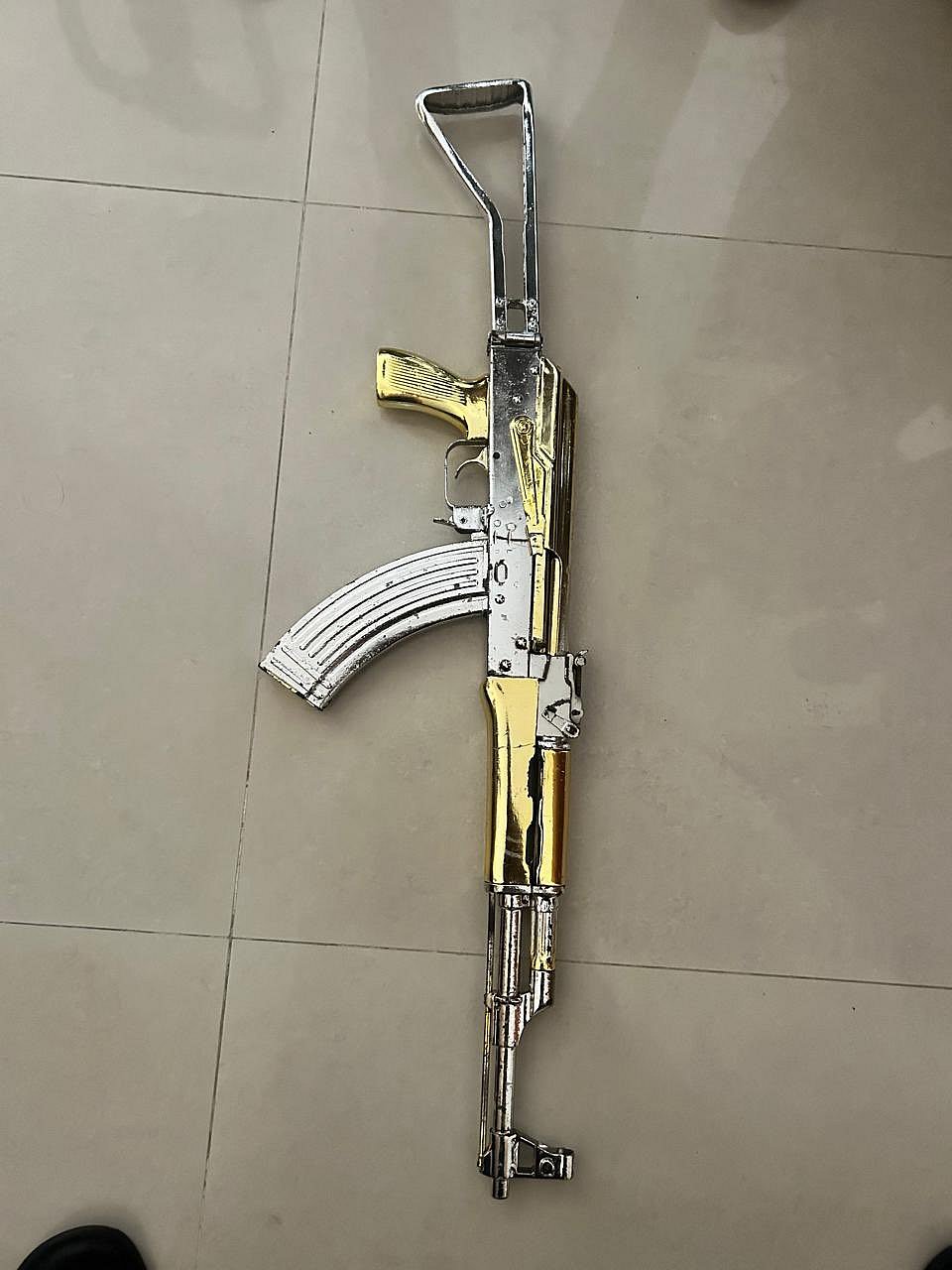
On 20 May, a 68-year-old Sri Lankan woman was arrested as she tried to enter an apartment complex in Colombo. The reason? She was carrying a gold-plated T-56 rifle, which she was (subtly) trying to smuggle into the complex, where she lived. Sri Lankan police are conducting investigations. On social media, the news drew amused reactions. “Sri Lanka is not for beginners”, quipped one user.