
This week in Himal
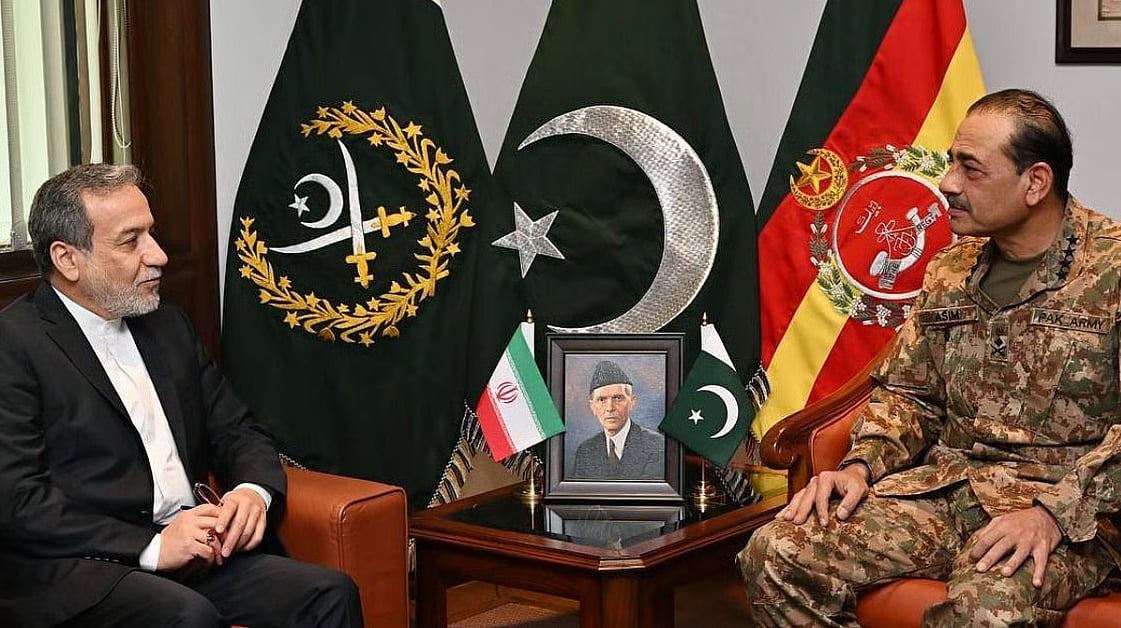
This week, Salman Rafi Sheikh writes about the warm reception Pakistan’s army chief received in Washington DC, as the US courts Pakistan as a potential ally against Iran. Yet Pakistan should be wary of such overtures given present national security and geopolitical concerns, and hard lessons from the US-led invasion of Afghanistan.
Journalist Seema Chisti recalls the demolition of the Babri Masjid by a right-wing Hindutva mob and traces how the media in India has changed since then, pointing to a decline in journalism standards in India, in episode 4 of our podcast series ‘Partitions of the Heart: Conversations with Harsh Mander.’
For the next episode of the Southasia Review of Books podcast, host Shwetha Srikanthan speaks with tech journalist and editor Vauhini Vara on Searches: Selfhood in the digital age on the power and danger of corporate-owned technologies.
For this month’s edition of Screen Southasia, we’re screening Vaishali Sinha’s Ask the Sexpert, which follows the story of a popular 93-year-old sex advice columnist in Mumbai, from 1-8 July. Sign up here if you’d like to receive great Southasian documentaries for free!
Also read: Twenty years without justice for murdered journalist Taraki Sivaram in Sri Lanka
Also read: Seema Chishti & Harsh Mander on media-fuelled Islamophobia
Also read: Enduring lessons from the Pakistani poet Parveen Shakir’s ‘Khushboo’
Also read: Christophe Jaffrelot on the Emergency and India 50 years later
Also read: Will Pakistan make a fatal mistake backing the United States against Iran?
This week in Southasia
Zohran Mamdani's rise has divided Southasians
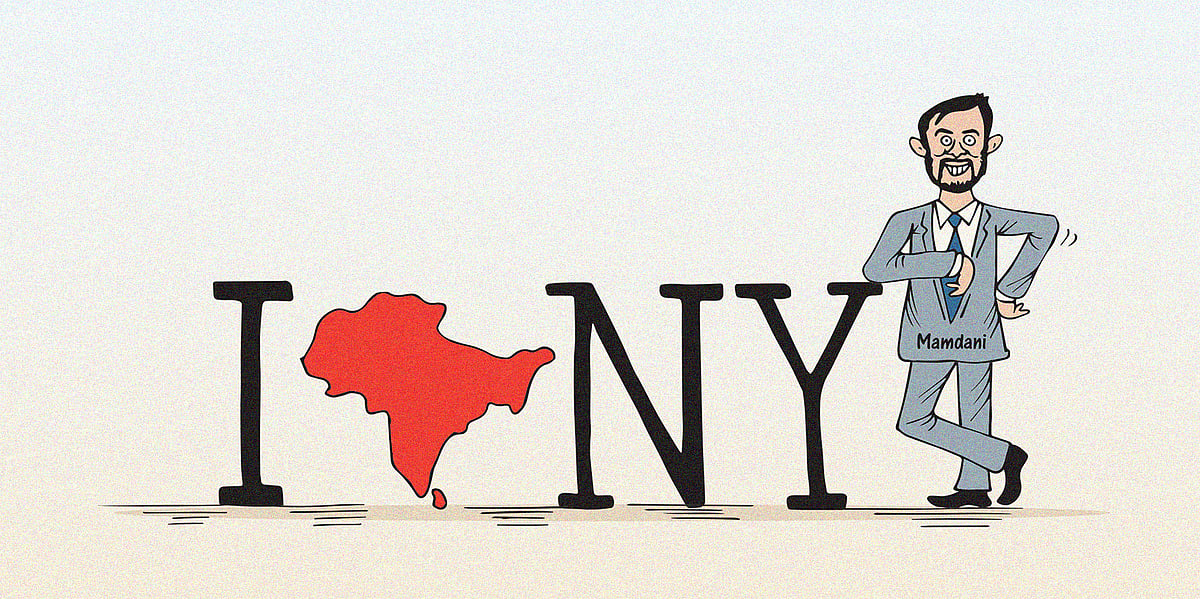
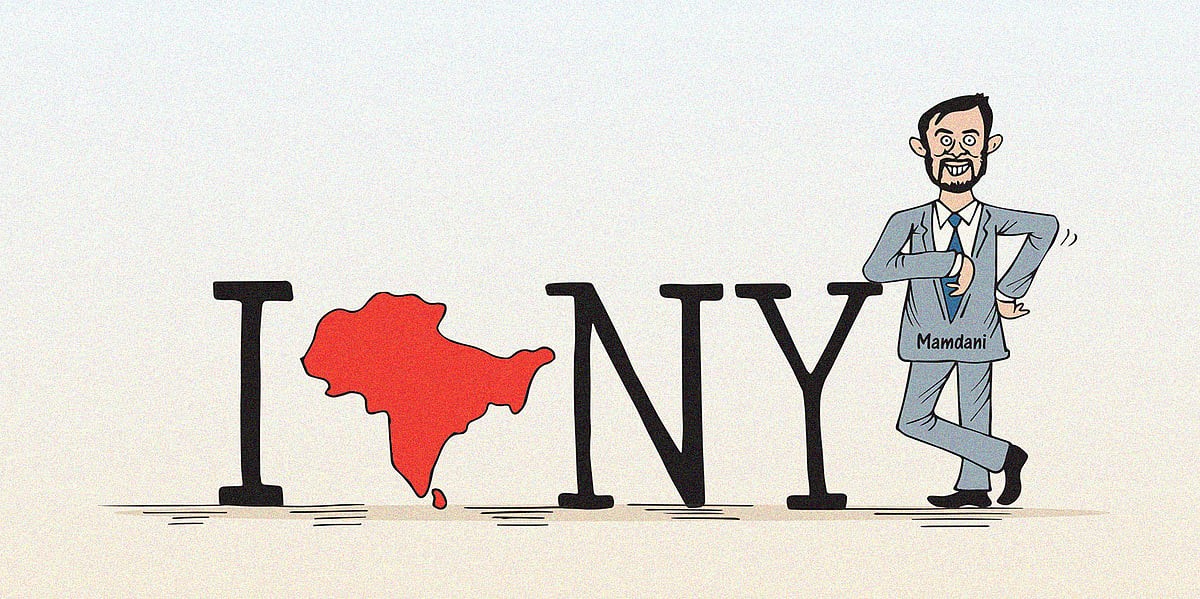
In a political upset, 33-year-old left-leaning candidate Zohran Mamdani declared victory in the Democratic Party’s primary elections for New York City, paving the way to him becoming the city’s first Southasian Muslim mayor in the November elections. Mamdani beat out veteran governor Andrew Cuomo thanks to his campaign which centred on fare-free buses, rent freezes and public housing, funded by major tax reforms. Mamdani was also outspoken and critical about the US’ role in Israel’s war on Gaza, distinguishing himself (and drawing criticism) from establishment candidates. While his Indian roots have not taken centre stage in his mayoral campaign, Mamdani continued to reach out to Southasian Americans, using lassi glasses to explain ranked choice voting, and peppering his speeches with Bollywood references. But his rise has sharply divided the Southasian community in America and at home.
While Southasian organisers remember his 2021 hunger strike in solidarity with taxi workers (a key issue in his first electorate in Astoria), many do not agree with his policy positions - illustrating the divisions within the Southasian American community along lines of ethnicity, class, caste and religion. In India, while mainstream media coverage has focused on Mamdani’s ‘Bollywood style’ campaign, there has also been a surge of hate, particularly given Islamophobic and anti-minority hatred in India fuelled by the rise of rightwing Hindutva groups. While Mamdani’s rise leads to comparisons with other Southasian American leaders like Tulsi Gabbard and Kamala Harris in the United States and Sadiq Khan in the UK in terms of representation, the reception to his election has been muted in India due to his identity as a Muslim and his progressive views on minorities.
Radhika Parameswaran and Pallavi Rao’s article from October 2020 critically unpacking the debates around Kamala Harris’ biracial and Indian/Hindu American identity is worth re-reading in light of this week’s headlines. Tarik Ali Khan's review of Vijay Prashad's 'The Karma of Brown Folk' is also worth re-visiting.
From the archive (October 2020)
Also read: Becoming Kamala Devi Harris
Elsewhere in Southasia
- New study finds chemotherapy drugs sent to more than 100 countries have failed quality tests, leaving cancer patients at risk of ineffective treatments; 16 of the 17 implicated manufacturers are India-based
- Bangladesh rights group Ain O Sailish Kendra says 175 people killed in mob attacks between August 2024 and June 2025, criticises lack of response from interim government
- Legislative arm of Myanmar’s National Unity Government enacts law pledging security for civil servants joining the Civil Disobedience Movement, proposes legal action against civil servants collaborating with military junta
- Maldives’ central bank employees told to sign resolution to state they could face imprisonment for disclosing information amidst news of Maldives’ debt burden
- UN Secretary General reports heightened recruitment of child soldiers in Myanmar after 2021 military coup, flags 2138 grave violations of children in armed conflict in 2024
- Jaffna residents launch protest around recently excavated Chemmani mass grave in north Sri Lanka, calls for UN monitoring, unhindered access for evidence collection, victim representation and referral to international criminal courts
- Head of UN Assistance Mission in Afghanistan says missile attacks between Israel and Iran have disrupted trade and increased price of food and fuel in Afghanistan, with more than 10,000 returnees reported from Iran per day
- Pakistan nominates US President Donald Trump for Nobel Peace prize, then condemned him for bombing Iran the next day
- Nepal’s former prime minister Madhav Kumar Nepal released on bail in connection with Patanjali land case
- Dalai Lama to return to Ladakh in July after two-year hiatus, following his 90th birthday celebrations
Revisit some of our archival stories adding more context to some of this week's news updates from India and Sri Lanka.
Also read: The massive failures of India’s drug regulatory system
Also read: The long wait for justice: On the chronic failures of criminal justice in Sri Lanka
Happenings in Southasia
TALK: Colombo, Sri Lanka - Thé Chats – From Rasammah to Rukmani Devi, Collective for Historical Dialogue and Memory, 28 June 2025, 6 PM (registration required)
FUNDRAISER: Delhi, India - The Community Library Project, The Bookshop Inc, 29 June 2025, 12 PM
THEATRE PERFORMANCE: Dhaka, Bangladesh - Invisible Stories: The Incredible Exodus of the Mangrove Ghosts, Alliance Française de Dhaka, 4 & 5 July 2025, 7 PM