This week was a blur as Himal geared up to host a conversation analysing recent youth-led protests in Nepal, Bangladesh and Sri Lanka. From identifying and reaching out to panelists (we were lucky to have Pranaya SJB Rana, Zyma Islam and Ambika Satkunanathan share their perspectives) to listening in on how peace activist Harsh Mander and Roman planned to shape the discussion, I knew that the conversation would be rich - and I wasn’t disappointed.
As a Sri Lankan who lived through our own protest movement not so long ago, I was struck by Zyma’s words when she said that student protesters in Bangladesh had own dreams about what they wanted to see - and then, frustration when their dreams didn’t become reality in the short term, leading to a return to the status quo. This was deja vu for us Sri Lankans, who just last week saw ruling lawmakers scoff at questions asked about their asset declarations, while larger issues of post-war accountability and the continued use of repressive laws such as the Prevention of Terrorism Act swept under the carpet. From Nepal, Pranaya’s recounting of the diverging views among young protesters about how to build true system change received nods of recognition from the rest of the panel - and myself.
I felt we went beyond simply recounting the state of play in each country, and were able to find common ground in shared frustrations - and shared dreams for what change could look like. At Himal, we’re uniquely positioned to bring you these conversations - make sure to support our work so we can keep bringing you more.
With that, I bring you this week’s update.
This week in Himal
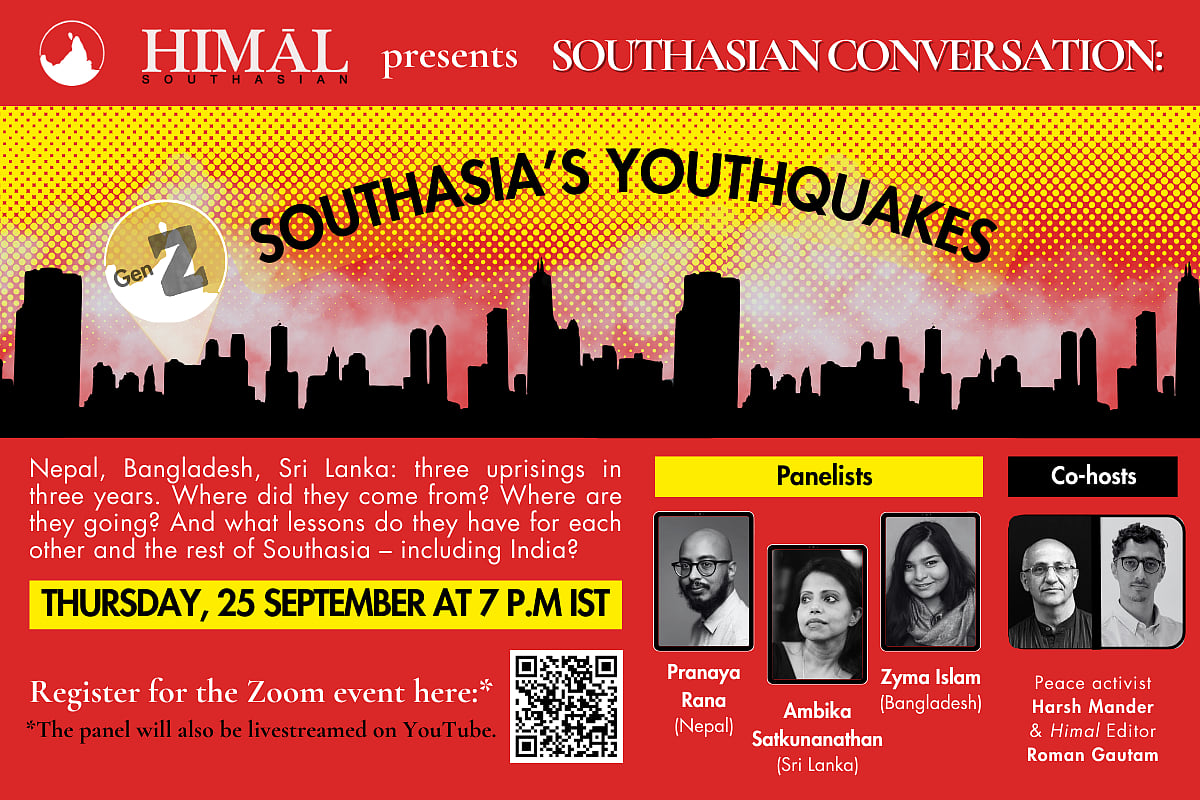
Himal Editor Roman Gautam and peace activist Harsh Mander hosted an edition of Southasian Conversation titled ‘Southasia’s Youthquakes’. You can catch the discussion on YouTube here - don’t miss it!
On an upcoming episode of the State of Southasia podcast, host Nayantara Narayanan chats with Daanish Mustafa, a Professor in Critical Geography at King’s College, London about Pakistan's recurring flood disasters.
Also read: Twenty years later, Tamil broadcaster Relangi Selvarajah’s killers still remain unknown
Also read: Shahnaz Ahsan on food, identity and the Bangladeshi diaspora Southasia Review of Books podcast #33
This week in Southasia
Trump’s visa fee orders impact Southasians
On 19 September, US President Donald Trump signed an executive order adding a USD 100,000 fee for applicants to the H-1B visa programme for skilled foreign workers. H-1B visa holders who were overseas scrambled to book flights and Silicon Valley companies asked workers not to leave the country before the White House clarified that the fee would only apply to new applicants. Its imposition, part of Trump’s inward-looking policies, is already impacting Southasian workers. In 2024, 80 percent of H-1B workers were from Southasian countries. While the majority of H-1B visa-holders from Southasia are Indian, Pakistan and Nepal are also top beneficiaries of H-1B visas.
These policies, implemented due to criticism of American workers and industry being undercut by immigrants, is also leading to a spike in xenophobic rhetoric impacting Southasians in the US. American Republican politician Vivek Ramaswamy received backlash for justifying the need for H-1B visas, while Zohran Mamdani’s mayoral primary win saw a surge of anti-Southasian hate online, with over 44,000 anti Southasian slurs recorded in June alone according to anti-racism coalition Stop AAPI Hate, and assaults on Southasians reported in recent months, apart from the region being impacted economically by Trump’s sweeping tariffs.
These measures revive discussions on migration. Given this, Ambreen Agha’s 2020 article is worth revisiting.
From the archive
Also read: ‘We are here because you were there’
Elsewhere in Southasia
- Ladakh activist Sonam Wangchuk arrested under stringent National Security Act after protests for statehood in Ladakh, India leave at least four dead; security enforces curfew
- UN Special Rapporteur shares that the Russian government coerced trafficked Southasians from Sri Lanka and Nepal, at times using death threats into fighting in the war against Ukraine during UN Human Rights Council meeting
- US President Donald Trump announces a 100 percent tariff on imports of branded or patented pharmaceutical drugs being imported into the US from 1 October, impacting Southasian drugmakers.
- Unidentified gunmen kill three transgender women in Karachi, Pakistan; rights advocates gather outside Peshawar Press Club to push for increased protections
- Maldives and Swedish company Cavotec seal deal for sustainable shore power installations along shoreline, reducing emissions from docking boats
- Anti-junta armed group Arakan Army detains journalist from Rakhine media Border News Agency (BNA) while she was reporting on local education in Myanmar
- Nearly 7000 prison inmates who escaped during Gen Z protests in Nepal still unaccounted for, including about 1000 foreign nationals
- At least 10 people lose their lives from flooding in Kolkata, India, which records highest rainfall in 37 years
- Seven monks lose their lives in cable car accident at the Na Uyana monastery in Melsiripura, Sri Lanka, including three foreign nationals
- Leaked data from former vice president Ahmed Adeeb’s phone revives discussion around entrenched corruption in the Maldives
- Taliban rejects US President Donald Trump calls to reclaim Afghanistan’s Bagram air base, surrendered during the US’ withdrawal from Afghanistan
Revisit some of our archival stories adding more context to some of this week's news updates from India and the Maldives
Also read: Ladakh’s resentment of New Delhi has overridden old Buddhist–Muslim acrimony
Also read: JJ Robinson on how Mohamed Muizzu’s Maldives is “a free-for-all kleptocracy”: State of Southasia #25
Also read: Afghanistan: graveyard of development?
Snap Southasia
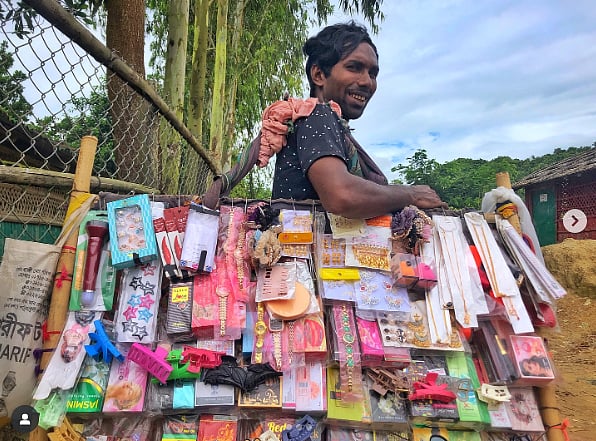
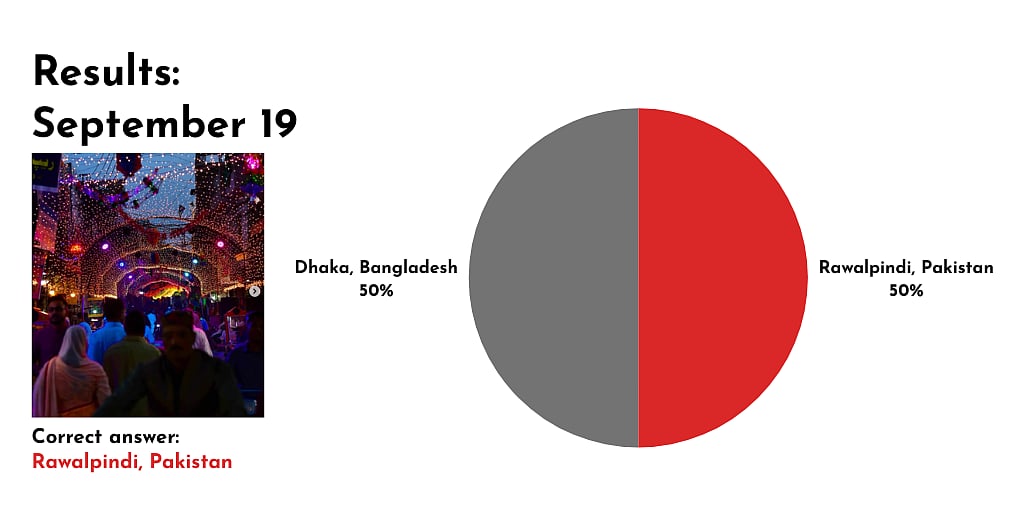
Where in Southasia was this photo taken? Click on your guess below!
Shamshato refugee camp, Pakistan
Thavasi refugee camp, India
Cox's Bazar, Bangladesh