
This week in Himal
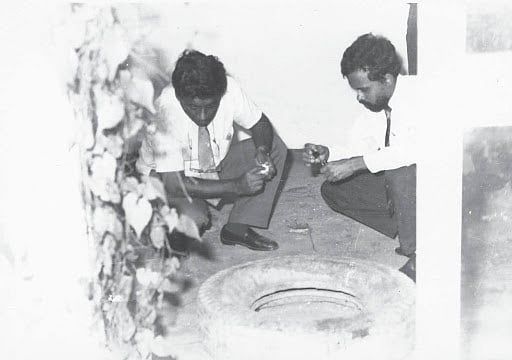
This week, Frances Harrison revisits the Batalanda Commission Report detailing human rights abuses at the torture site in Sri Lanka during the leftist Janatha Vimukthi Peramuna uprisings in the 1980s, after a recent scathing interview with former president Ranil Wickremesinghe on Al Jazeera which revived questions of his role in alleged human rights abuses.
For the next episode of the Southasia Review of Books podcast, host Shwetha Srikanthan speaks with Sri Lankan-Pākehā writer Saraid de Silva on her debut novel Amma, which explores trauma, displacement and queerness over three generations and three continents.
We’re still on the lookout for a Social media intern! If you want to help power our coverage of the region, click here for more details on how to apply.

Also read: How Bangladesh’s pharma revolution succeeded against the odds
Also read: Jayati Ghosh on the USAID shocker and the politics of foreign aid: State of Southasia #19
Also read: Ranil Wickremesinghe in the hot seat over Batalanda torture site
This week in Southasia
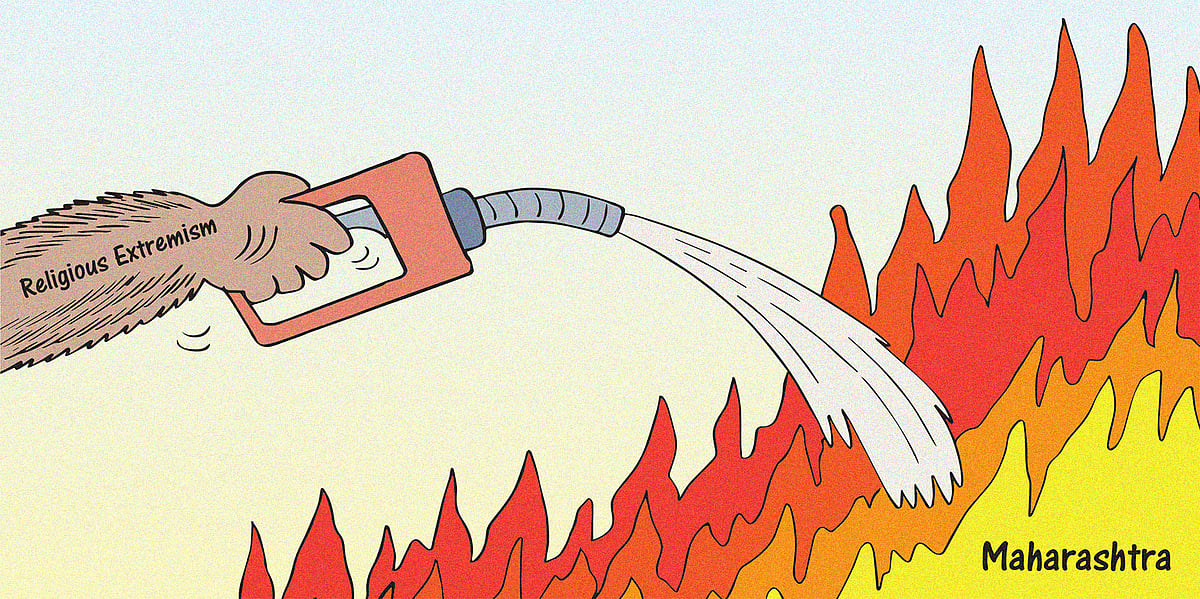
Communal violence in Nagpur sparked over the tomb of a 17th-century Mughal emperor
Around 69 people have been arrested in connection with communal violence in Nagpur, Maharashtra that sparked over calls to demolish the gravesite of Mughal emperor Muhi al-Din Muhammad (better known as Aurangzeb) from Hindu nationalist groups Vishwa Hindu Parishad and Bajrang Dal. The Maharashtra state cyber department said social media accounts had shared inflammatory content, including unverified rumours that a Quran had been burned and that a statue of Aurangzeb burned by the Hindu groups was wrapped in a cloth that had Quranic messages written on it, escalating tensions. Vehicles were set on fire and stones were thrown, and around 33 policemen were injured in a standoff. A police report claimed that a man accused of participating in the violence had allegedly molested a woman police officer on duty.
The Mughal-era emperor Aurangzeb has become a flashpoint after Hindu nationalists claim the Gyanvapi mosque in Varanasi was built on the site of Vishwanath temple, a 16th-century Hindu shrine that was destroyed on Aurangzeb’s orders. The recently released Bollywood film Chaava, which follows the life of Sambhaji Maharaj, the second Chhatrapati (king) of the Maratha empire and depicts his torture at the hands of Aurangzeb, has also been used by Hindu nationalist groups, members of the BJP and Maharashtra’s ruling Mahayuti alilance to spread communal rhetoric while commenting on the film, which has also been praised by India’s prime minister Narendra Modi.
Elsewhere in Southasia
- Afghanistan and Pakistan reopen their main border crossing for trade and transit after clashes between security forces from both sides led to its closure for nearly a month
- An Uttar Pradesh court sentences three men to the death penalty for the killings of 24 Dalits in the 1981 Dehuli massacre, saying the case fell into “rarest of the rare” category
- The International Federation of Journalists condemns Maldivian President Mohamed Muizzu for allegedly threatening the chief editor of the Adhadhu News website Hussain Fiyaz Moosa over the phone. Adhadhu News has filed a case with the Maldives Police Service seeking a formal investigation.
- Bangladesh arrested Ataullah Abu Ammar Jununi, the leader of the insurgent group Arakan Rohingya Salvation Army, near Dhaka on charges of illegal entry, sabotage and terrorist activities. Bangladeshi intelligence says ARSA members are involved in targeted killings and kidnappings in Rohingya refugee camps.
- Sri Lanka’s suspended police chief Deshabandu Tennakoon surrendered to court after evading arrest for almost a month. Tennakoon is a suspect in a 2023 shooting incident where a policeman was killed.
- Dhaka slams US intelligence chief Tulsi Gabbard’s remarks in an interview with India’s NDTV about the alleged persecution and killing of religious minorities in Bangladesh. Gabbard links the threat of “Islamic terrorists” to Bangladesh’s ruling as an “Islamist caliphate”.
- India’s antitrust body has raided the offices of global advertising giants, including GroupM, Publicis, Dentsu and Interpublic Group, and a broadcasters’ industry group across cities over alleged price fixing, Reuters reported
- One killed and several injured after fresh violence between the Hmar and Zomi communities in Manipur’s Churachandpur district
- Pakistan alleges last week’s train hijacking in Balochistan was linked to ‘handlers in Afghanistan’ and India as insurgent attacks surge in the province
- Nepal to receive 20 stolen antiquities from the United States, worth approximately USD 3 million. These items were smuggled abroad and sold to collectors and dealers across Europe and the United States.
Only in Southasia!
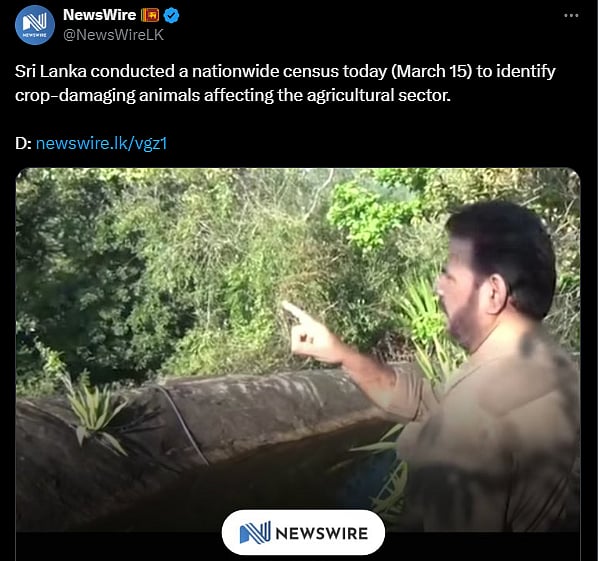
Over the past week, Sri Lanka has been in the news because it is conducting its first animal census, focusing on monkeys, peacocks and giant squirrels, in order to assess the impact of human-wildlife conflict on crop damage. Sri Lankans were given a form and asked to manually fill in the animals they saw between 8 and 8:05 am on Saturday morning. Many took to their gardens to gaze at the treetops and see if they could spot any of the species there, while some farmers ventured out to their farms, paddy fields and estates in order to capture the extent of the issues they were facing. Even the deputy minister of Agriculture, NPP’s Namal Karunarathne, took part. However, many residents have already reported that they did not see any animals during the given time period, indicating that the data received from the census might be inaccurate. However much fun was had by everyone, including those who asked when the population census would finally be held.
From the archive
New year in monsoon (July 2008)
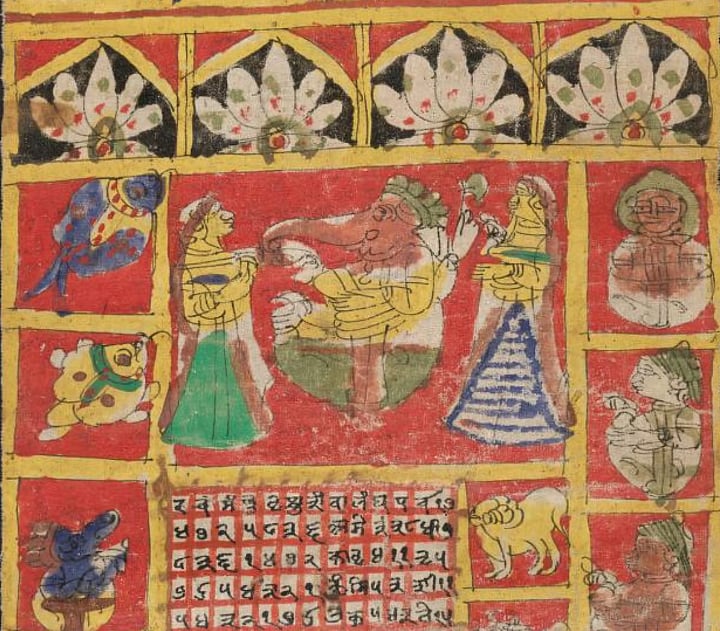
Navroz Mubarak to our readers who celebrate! Our 2008 article from Biman Nath takes a close look at Southasian calendars, which while out of sync with the Gregorian calendar also do not capture festivals like Navroz which are tied to the seasons. Nath writes that Southasian calendars need to be reformed to capture the shifting seasons, in a way that is not confined to mere official use.