
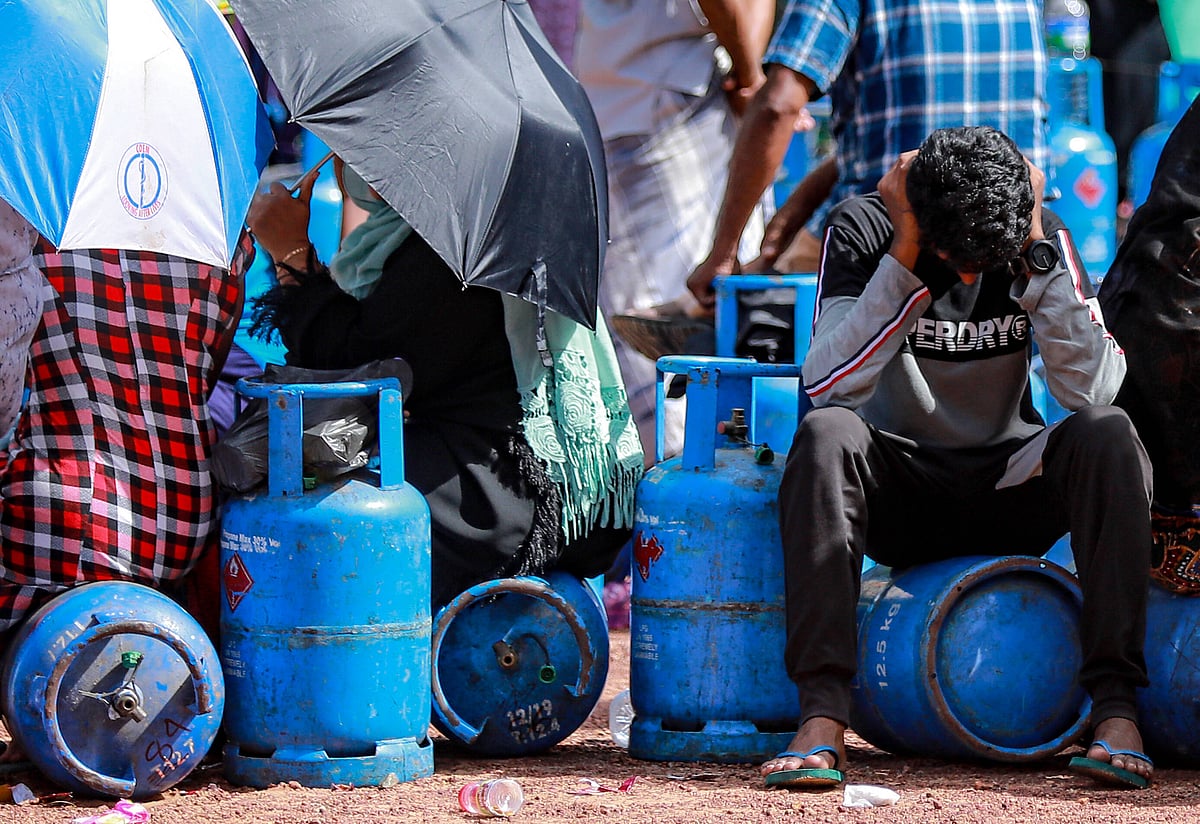
Sri Lanka has been subject to a great lie: the IMF solution! For close to a year now, the country has been implementing the International Monetary Fund's recommendations with complete obedience. The sudden devaluation of the Sri Lankan rupee, a drastic increase in interest rates, the withdrawal of fuel subsidies and severe cuts to state expenditure all amount to harsh austerity measures. The consequence is economic devastation as the country sinks into a depression. Millions now suffer dwindling incomes, tremendous increases in the cost of living, food insecurity and even starvation.
Yet the much-touted IMF funds presented as a way to salvation, a meagre USD 2.9 billion over four years under the proposed agreement, have proved elusive. Compare this amount to Sri Lanka's foreign earnings for last year, which added up to USD 18 billion. The IMF insists that Sri Lanka first convince a range of creditors to commit to restructuring its defaulted external debt before the organisation's Executive Board will release the funds. But Sri Lanka's economy is in free fall. Its GDP contracted by roughly a tenth last year and is on the path to continued contraction this year. Under these circumstances, the IMF agreement and its paltry funds may as well go into the dustbin.
Some of us have seen this crisis coming for a long time. A few months after the end of the civil war in May 2009, Sri Lanka obtained an IMF Stand-By Arrangement of USD 2.6 billion. This gave the green light to a considerable inflow of speculative foreign capital, in addition to commercial borrowings at extremely high interest rates in the form of International Sovereign Bonds (ISBs). At that point, the warning bells began ringing for critical analysts who could see the consequences. But back-slapping and self-congratulation among Sri Lanka's elites continued amid a boom in economic growth built on a dubious basis, including speculative investment in urban beautification and needlessly large infrastructure projects. This debt-driven boom soon petered out.
Sri Lanka then faced balance-of-payments problems, which pushed it towards an IMF Extended Fund Facility of USD 1.5 billion in June 2016. Some of us sounded the alarm again as the government at the time, led by Ranil Wickremesinghe, pursued another IMF-led solution. But, again, our critique fell on deaf ears. Worryingly, the following month, with the IMF's approval, Sri Lanka went ahead and floated another USD 1.5 billion in ISBs. Indeed, the latest IMF agreement – the 16th deal between Sri Lanka and the organisation over the decades – offered nothing new. Rather, it promoted Sri Lanka's continued liberalisation of trade and capital accounts, dating back to the opening of the economy in 1978. The crisis tendencies in the Sri Lankan economy were ramified through adherence to IMF packages.