This week in Himal
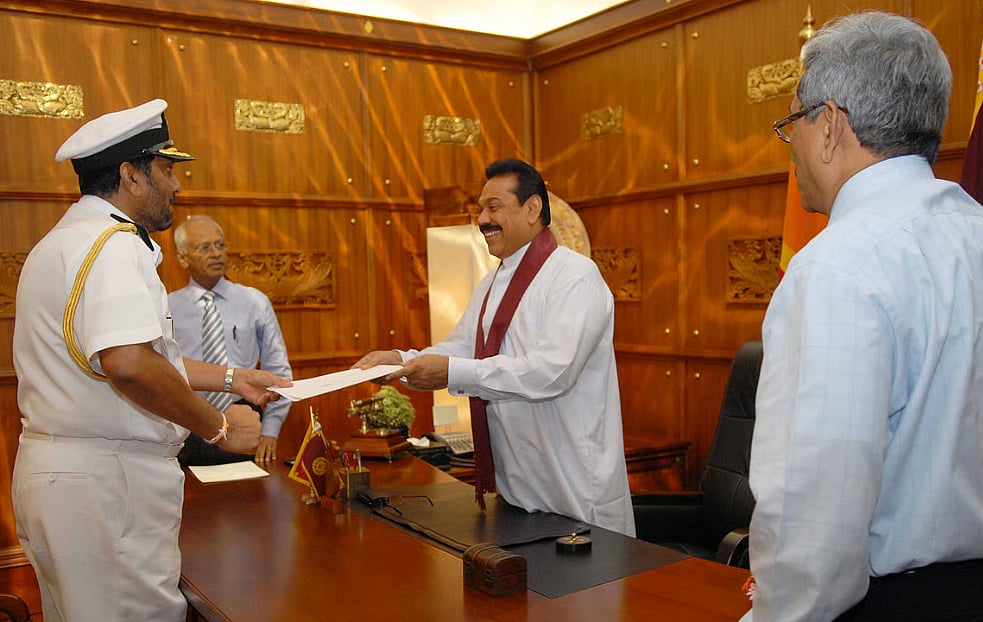
This week, Frances Harrison writes about Sri Lankan admiral Wasantha Karannagoda's memoir, which contains admissions relevant to crimes committed during Sri Lanka's civil war, and asks critical questions about Penguin India's decision to publish it.
Peace activist Harsh Mander shares thoughts and key takeaways from season 1 of Muslim life - and death - in India.
For the upcoming episode of the State of Southasia podcast, host Nayantara Narayanan speaks to journalist and former senior assistant editor at Himal Southasian, Marlon Ariyasinghe about the wider implications of ex-Sri Lankan president's Ranil Wickremesinghe's arrest.
Our September screening of Screen Southasia in collaboration with Film Southasia is Burma Storybook directed by Petr Lom, which follows a dissident poet from Myanmar in recovery from time in prison and awaiting the return of his exiled son, streaming 1-8 September. Sign up to watch it here.
Also read: Despite Wickremesinghe’s arrest, Sri Lanka’s politics is stuck in its old loop
Also read: Muslim Life – and Death – in Modi’s India: A podcast with Harsh Mander
Also read: Vishwambhari Parmar on Gujarati pulp fiction: Southasia Review of Books podcast #31
Also read: Why did Penguin India publish Wasantha Karannagoda, alleged war criminal?
This week in Southasia
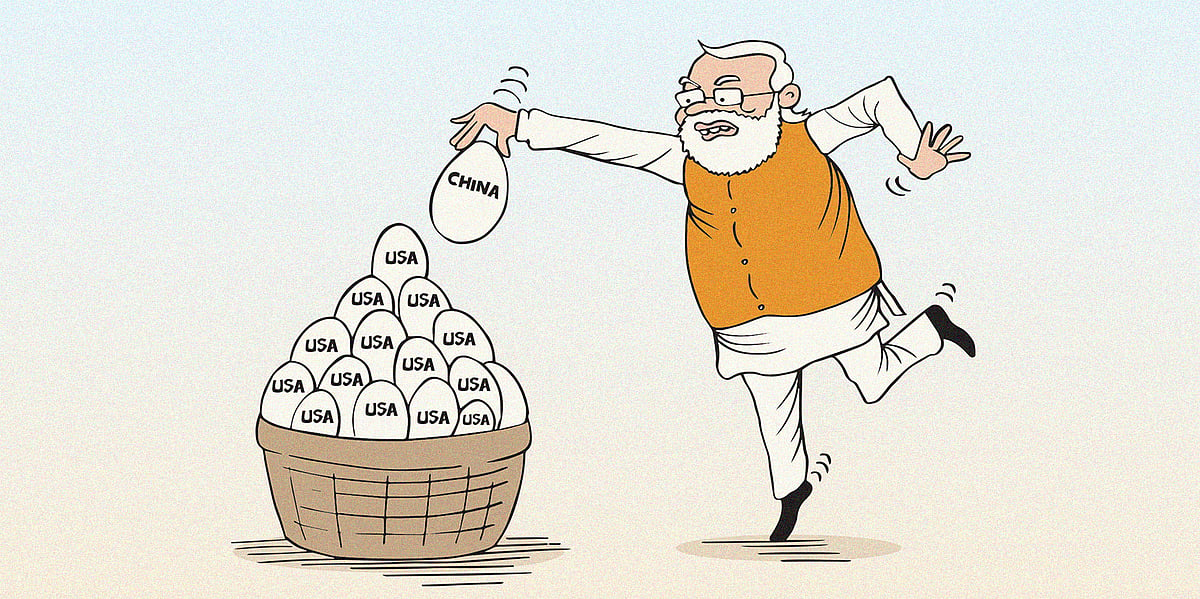
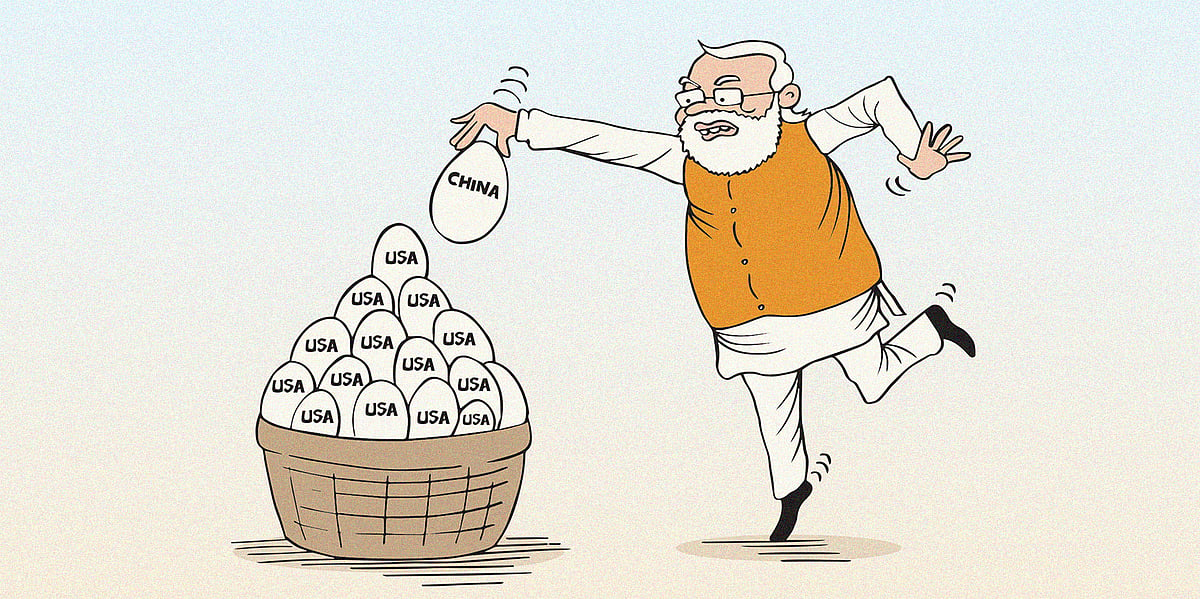
India’s reliance on US tested as 50 percent tariffs come into effect
On 27 August, the US administration’s 50 percent tariff on Indian exports came into effect, weeks after US President Donald Trump imposed an additional 25 percent tariff on India for continuing to purchase Russian oil. India’s prime minister Narendra Modi has urged self-reliance and promised a ‘tax bonanza’ for Indians in a bid to counter the news, while India’s External Affairs minister S Jaishankar and others have stood firm on the issue of Russian crude oil. Despite these statements, many sectors including garment manufacturers and jewellers will be impacted, with their products becoming unviable for the US market - trade experts estimate that India’s exports to the US could drop by as much as 40 to 45 percent compared to the previous year.
Despite India’s commitment to nonalignment, relations between India and the US have strengthened over the past three decades, in comparison to countries closer to home. Analysts often describe the US-India relationship as based on shared interests. The Trump tariffs have strained these ties, and India is scrambling for other partners. India’s recent free trade agreement with the UK allows UK suppliers to bid for high value tenders from federal ministries, access which is being described as ‘unprecedented’. And Modi is attempting to build relations with China, including by attending the SCO summit after a gap of seven years. This raises the question of whether India will continue to pressurise neighbours like Sri Lanka, Bangladesh and Nepal over their ties with China, as has been the case in the past, opening up the possibility that China’s footprint in the region could grow.
In light of this, our interview with historian of modern China Anurabh Ghosh from 2020 is worth revisiting. Ghosh covers the poor state of China scholarship in India, growing securitisation after the 1962 war and the two country’s history of scientific exchange which defies simplistic coverage of the India-China relationship.
From the archive (June 2020)
Also read: India’s other China problem
Elsewhere in Southasia
- India and Pakistan reestablish diplomatic communications in wake of cross-border flooding; Pakistan relocates over 100,000 affected individuals as India releases water from overflowing dams
- Myanmar anti-junta group Arakan Army seizes control of 14 out of 17 townships in Rakhine, amid reports of Arakan Army abuses targeting Rohingya
- Indian Supreme Court orders Special Investigative Team to explore allegations of animal abuse by Reliance Foundation in Vantara wildlife parks; Reliance agrees to cooperate
- Dharmasthala temple murder whistleblower arrested by Indian government Special Investigation Team for perjury, police team probing whistleblower claims
- Pakistani Foreign Minister meets Bangladeshi officials in Dhaka, marking most senior official from Pakistan to visit Bangladesh since 2012 in a major diplomatic milestone
- Bangladeshi leader Mohammad Yunus calls for international tribunals to secure end to ethnic cleansing, violence targeting Rohingyas in Myanmar, warns that state infrastructure cannot support any more cross-border refugees
- Ex-Sri Lankan president Ranil Wickremesinghe granted bail on day of corruption trial after protests in Colombo and admission to prison hospital for health concerns
- Ajker Patrika journalist Bibhuranjan Sarkar found dead in Munshiganj, Bangladesh, after editorial suggesting militant involvement in 2024 uprisings criticised by interim government press secretary
- Sugarcane farmers from the Tarai protest in Kathmandu as Nepal government halves subsidy, says rising production costs have pushed them into debt
- PTI announces plans to boycott Pakistani by-elections and abandon parliamentary committees under instruction from jailed ex-president Imran Khan
- Afghan passenger bus heading north to Kabul crashes, killing at least 25
- Independent Institutions Committee sets deadline to finalise Maldives media control bill by 15 September despite protests by journalists, Maldives Journalists Association condemns threat from Parliament majority leader Ibrahim Falah to 'impale' journalists during debate on the bill
Revisit some of our archival stories adding more context to some of this week's news updates from India, Bangladesh
Also read: The costs of Reliance’s wildlife ambitions
Also read: Forgotten alleys of the old camp
Snap Southasia
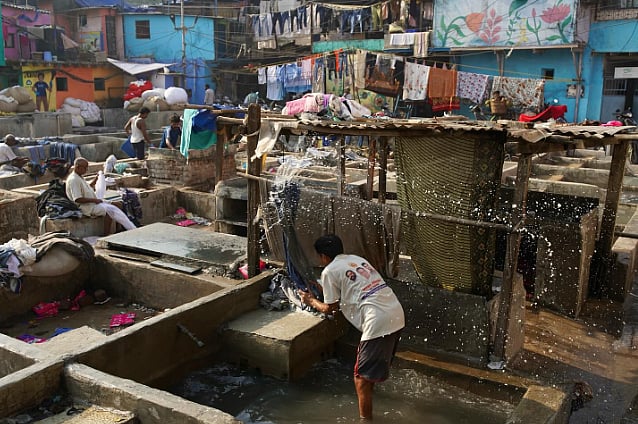
Where in Southasia was this photo taken? Click on your guess below!
Paradise Place, Colombo
Mahalaxmi Dhobi Ghat, Mumbai
Juna Dhobi Ghat, Karachi