
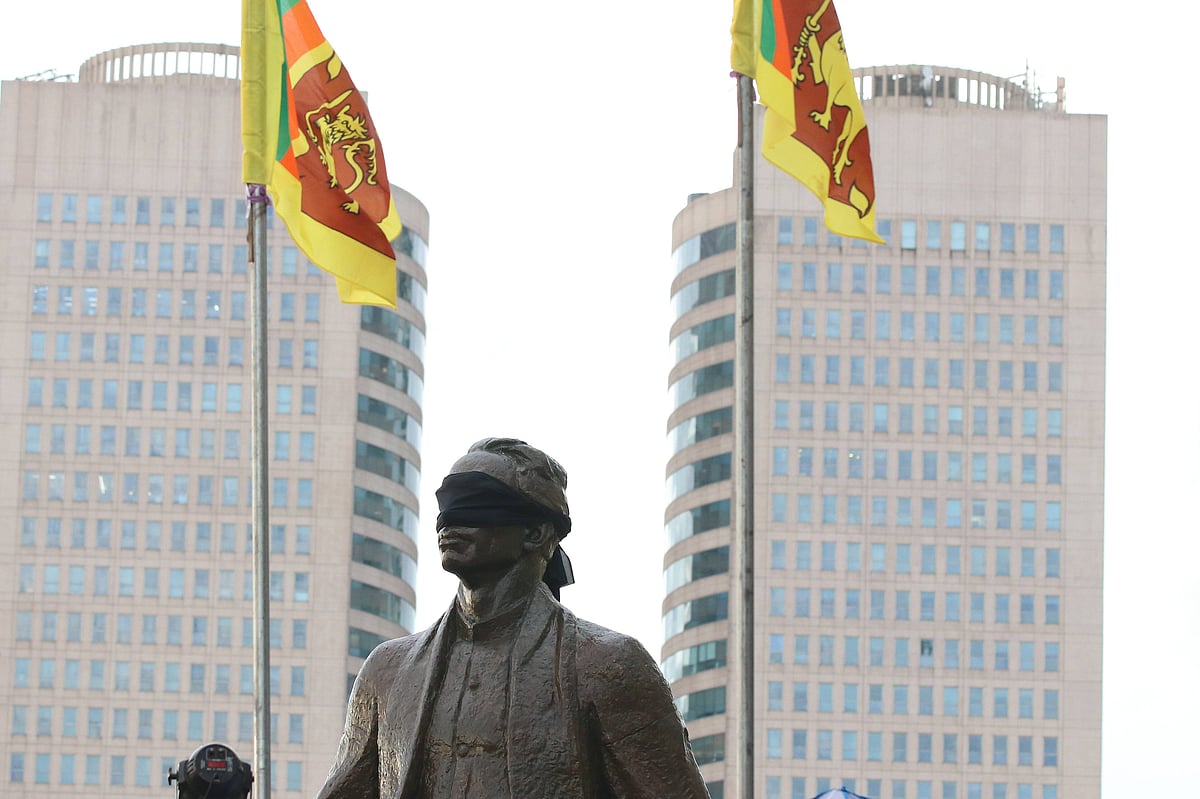
At present, the Sri Lankan government is caught in a tricky situation. Elections are slated to be held between September and October this year, pending sweeping electoral reforms. This marks the first time since August 2020 that voters will go to the polls. With the election coming just two years after a massive economic crisis, the incumbent government faces the herculean task of convincing the people to keep it in power for another term.
The government is led by the Sri Lanka Podujana Peramuna (SLPP), a party headed and arguably owned by the Rajapaksas, the family ousted from the offices of both president and prime minister by popular protests in 2022. Ranil Wickremesinghe, the current president, is the sole representative in the parliament of the United National Party (UNP), and depends on the support of the SLPP for his position. While Wickremesinghe and the SLPP do not see eye to eye on every issue, this arrangement has worked in favour of both sides: the SLPP remains in control of the parliament, while the president receives its support to enact laws. This Faustian pact is likely to continue.
With public discontent still soaring over the economic crisis, brought onto Sri Lanka by the corruption and mismanagement of the Rajapaksas and the traditional political elite, there are naturally a higher number of contenders than earlier jostling for the public’s vote. Yet each of the contender parties is facing its own internal crises.
The main opposition, for instance, happens to be a splinter group from the UNP – the Samagi Jana Balawegaya (SJB), led by Sajith Premadasa. While it has been pursuing a distinct identity, its economic ideologues have been accused of peddling solutions no different to the government’s policies: essentially, closer engagement with the International Monetary Fund and a continuation, with some modifications, of the reforms package it pushed through as a condition for a bail-out package.