This week in Himal
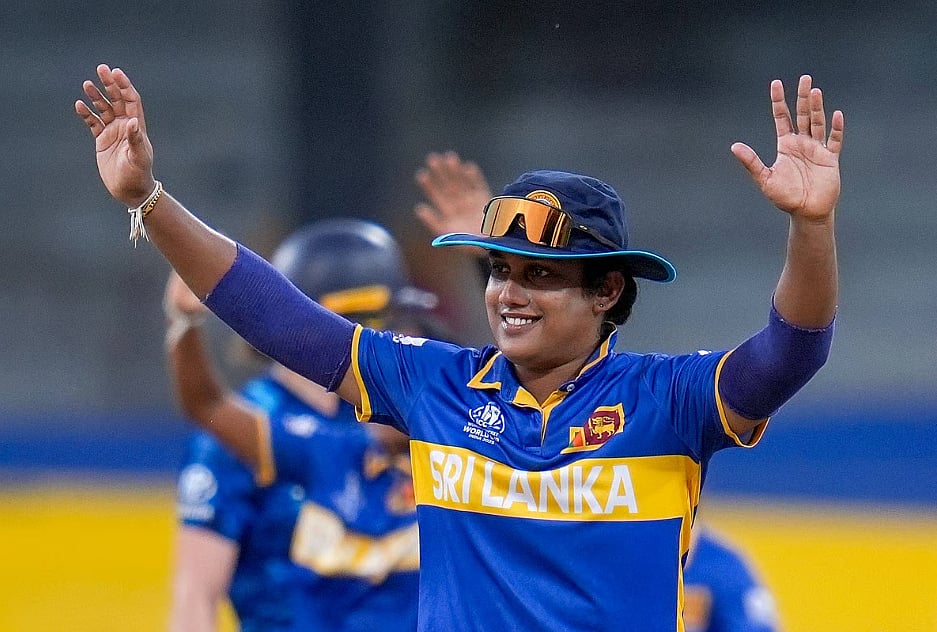
Estelle Vasudevan writes about her journey into sports journalism, which mirrors the rise of the Sri Lankan women’s cricket team, despite shortfalls in funding and support.
Disha Shetty reviews two books about Johnson & Johnson’s unethical practices in the US and India and how India’s pharmaceutical industry failed to hold the company accountable.
On the Saffron Siege podcast series in collaboration with Karwan-e-Mohabbat, political scientists Kamal Nayan Choubey and Tariq Thachil discuss the RSS’s influence on Adivasi communities in India.
On the upcoming episode of the State of Southasia podcast, host Nayantara Narayanan chats with Sharda Ugra, a veteran sports journalist based in Bangalore, about the ongoing ICC Women’s Cricket World Cup, the state of the women’s game across Southasia and what the future holds for aspiring women cricketers.
Also read: Johnson & Johnson’s dark history in India and the United States
Also read: Amrita Mahale on writing a Himalayan literary mystery: Southasia Review of Books podcast #35
Also read: Podcast: Kamal Nayan Choubey, Tariq Thachil & Harsh Mander on the RSS and Adivasis
Also read: A sports journalist’s journey alongside the rise of Sri Lankan women’s cricket
This week in Southasia
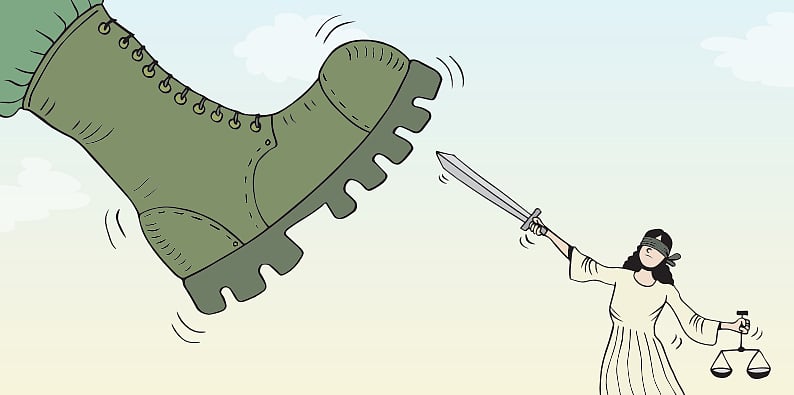
Bangladesh tries 15 army officials for enforced disappearances, murder
On 22 October, a Bangladeshi court ordered the imprisonment of 15 army officials, 14 of whom are serving officers, for their involvement in forced disappearance and murder cases during Sheikh Hasina’s Awami League-led regime. The arrest warrants were first issued on 8 October by Bangladesh’s International Crimes Tribunal. The organisation of a civilian trial for the officers, who were told to produce themselves in court or be declared fugitives, marks the first time in the country’s history that formal charges have been pressed against army officers for such crimes. A 16th officer summoned has since gone into hiding, along with Hasina herself, who is currently exiled in India. Her trial, in which prosecutors seek the death penalty, proceeds in absentia.
Hasina’s ousting came after a wave of bloody student-led protests in July 2024 called to attention the corruption and repression of her 15-year administration. In the months that followed, Nobel Laureate Muhammad Yunus was appointed interim leader, promising accountability for human rights abuses and fresh elections in February 2026. However, the new government has faced backlash from international human rights organisations for some of its transitional policies, including its May 2025 ban of the Awami League from participating in elections, and has been met with protests from Awami League supporters and family members. While the UN has commended the trial of the army officers as a step towards accountability, it has also cautioned the interim government not to replicate the bad practices of Hasina’s regime. Given this, Cyrus Naji’s articles from February 2025 and May 2025 are worth revisiting.
From the archive
Also read: New reports caution Bangladesh against “replicating poor practices” of the Sheikh Hasina regime
Elsewhere in Southasia
- Myanmar’s military shuts down cybercrime center along border and arrests over 2000 people; SpaceX severs communication links with Starlink servers at associated compounds
- Pakistan space agency SUPARCO, in collaboration with China, sends first hyperspectral satellite into orbit for tracking environmental change and geohazards
- Thuingaleng Muivah, 91-year-old chief of northeast India’s largest insurgent group National Socialist Council of Nagalim, returns to native village in Manipur for the first time since the 1970s
- Multiple journalists and newsrooms say they have been targeted with takedown notices and false copyright claims for their critical reporting on India’s Vantara
- Pakistan deports 85,000 Afghan refugees and arrests a further 3800 in Balochistan after recent border clashes
- Local Sri Lankan opposition politician murdered in his office by unidentified gunman; public security minister suggests killing linked to gang rivalry
- UK-based Hindi scholar Francesca Orsini denied entry to India despite valid 5 year visa, allegedly blacklisted for violation of visa terms
- Nepali interim leader holds first meeting with cabinet and political party leadership regarding March election
Revisit some of our archival stories adding more context to some of this week's news updates from India and Pakistan.
Also read: Pakistan’s brutal deportation of Afghans widens to target registered migrants and refugees
Also read: The costs of Reliance’s wildlife ambitions
Also read: ‘To break a stone, you must use a hammer’: Thuingaleng Muivah
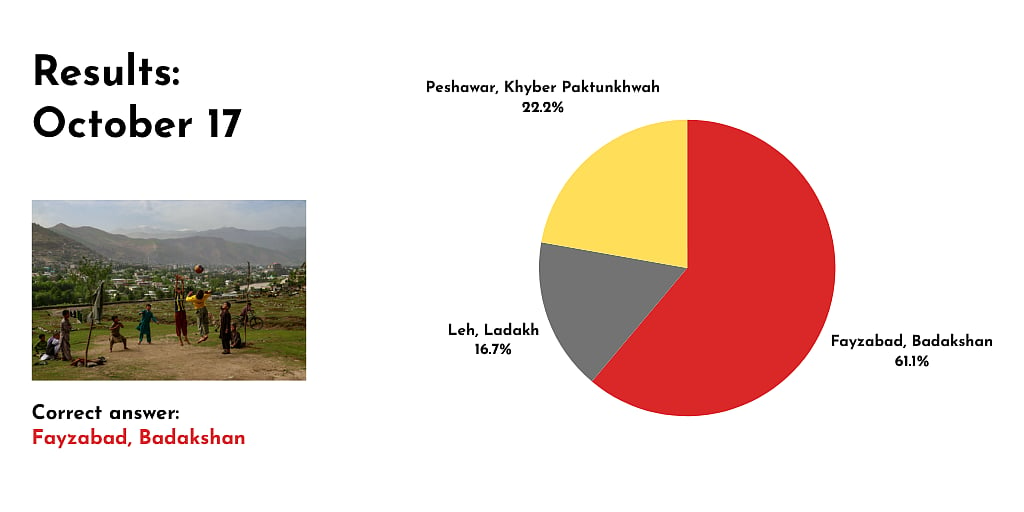
Snap Southasia
Every week we bring you one striking image from Southasia. Click below to guess where it was taken – and check in next week to see if you were right!
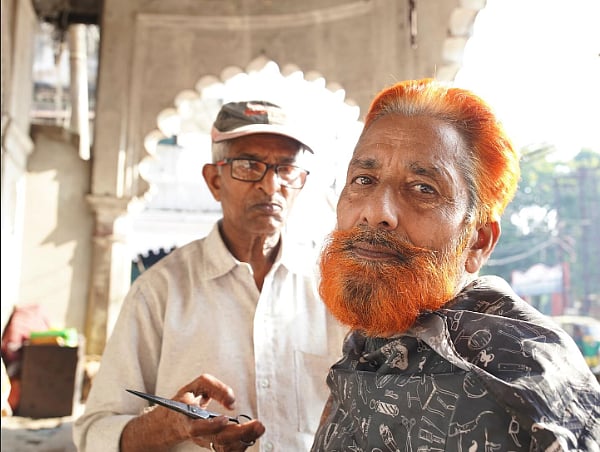
Where in Southasia was this photo taken? Click on your guess below!
Dhaka, Bangladesh
Prayagraj, Uttar Pradesh
Lahore, Pakistan