
IN ISLAM – the faith that indents my life – there is a pragmatic acceptance of the inevitability of death. Muslims believe our life on earth is transient, and that death only marks a temporal separation between soul and body until the hereafter. This is reiterated in scripture, hadith – accounts of the life of the Prophet Muhammad – and many other aspects of Islam. For instance, the prophet reminded Muslims to “be in the world as if you are a stranger or a traveller.”
Preoccupations with living and dying were heightened during the Covid-19 pandemic, when we were repeatedly confronted with our mortality. It was especially sharpened when the government of Sri Lanka, then led by Gotabaya Rajapaksa, ordered in early 2020 that all those who died due to the coronavirus were to be cremated, contravening the funerary rites centred on burial that are customary among Muslims and many Christian communities too.
Sri Lanka was the only country in the world to take this stance. It then doggedly clung to it despite mounting evidence that the virus was not transmitted through dead bodies, and that burials did not pose a public health risk. Despite lobbying by local civil society and international authorities – despite everything – the government enforced the policy for many agonising months.
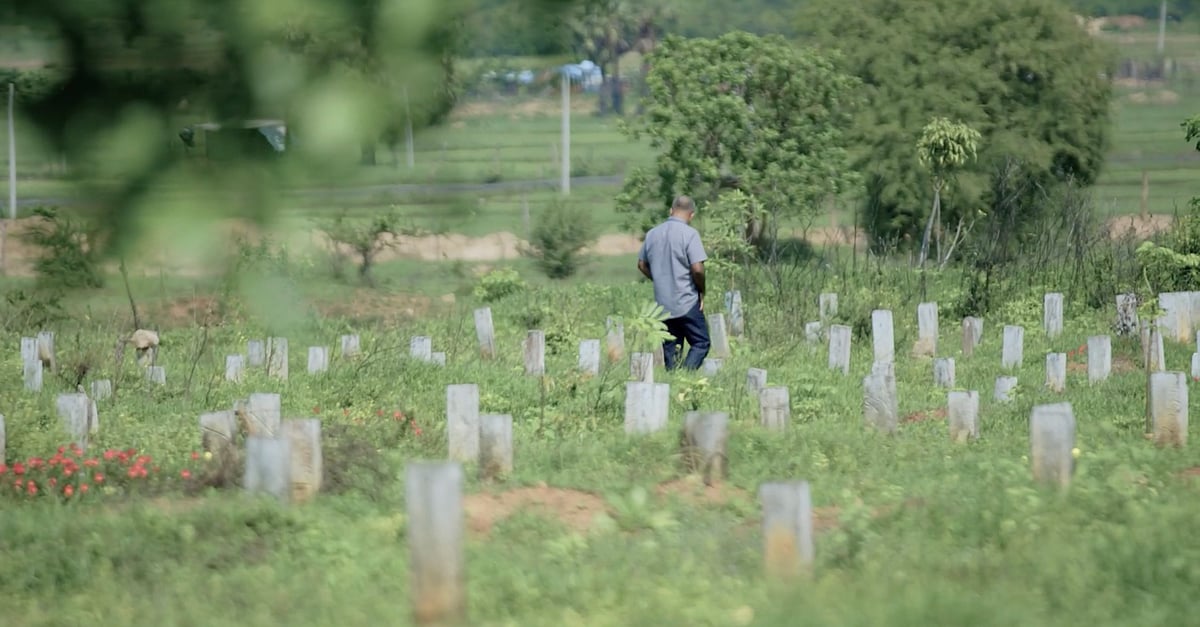
In February 2021, amid increasing international pressure, this policy was finally reversed. But even then, the Sri Lankan government only allowed Covid-death burials in the eastern town of Oddamavadi, near Batticaloa. Amid the pandemic, grieving families all across the country were forced into the expense and hassle of transporting themselves and the remains of their loved ones to this often unfamiliar place. From March 2021 to March 2022, over 3600 people, predominantly Muslims, were buried in Oddamavadi. It was only in July 2024 – after Rajapaksa was forced out of office by waves of public protests, and ahead of a fresh presidential election and an upcoming session of the UN Human Rights Council – that the Sri Lankan state apologised for enforcing its “cremation only” policy.