
What do you say of a community that is everywhere, yet nowhere? Every one who arrives or leaves Kathmandu Valley by road or on foot has to pass through Tamang territory. This largest of ethnic groups among the Tibeto-Burman speaking peoples of the Himalayan region is especially concentrated around the Valley. The Bagtmati Zone, made up of Bhaktapur, Kathmandu and Lalitpur districts, has more than 51 per cent Tamang speakers.
More than half of the mountain areas of Nepal is covered by the Tamang nation, which has inhabited these hills for longer than any other group. Tamangs have their own language, their unique lifestyle and religious beliefs. Though Tamang history has been largely ignored and therefore lost, it must have been significant According to one Tibetan inscription, the fort at Lo Manthang (Mustang) was built back in the 13th century AD as protection against the "Se Mon Tamang" of the south.
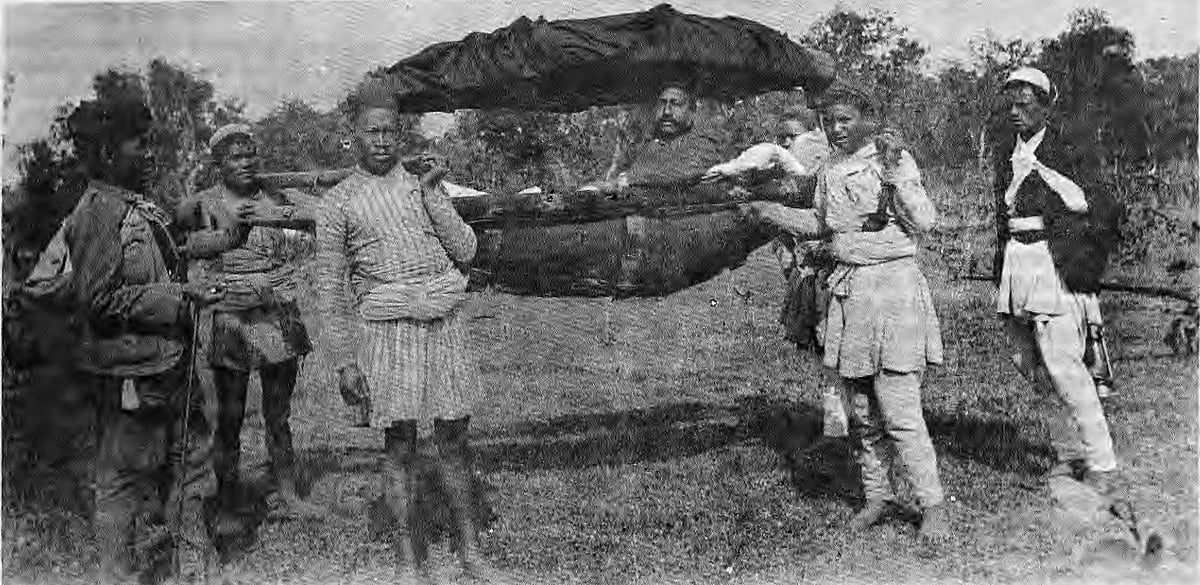
Yet, it was not until late in the present century that the world outside Nepal had even heard of the existence of the Tamang nation. Western visitors, guests of Rana Prime Ministers, who walked up the foot-trail from Bhimphedi had Tamangs carry their baggage without ever knowing it. To some, it would seem that Tamangs gained an identity only in 1932 after King Tribhuvan and Prime Minister Bhim Shumshere allowed them to write "Tamang" after their name in civil service and military rolls.
The low profile of the Tamangs and the poverty that marks their villages are the result of concerted exploitation over the centuries. Two hundred years ago, English traveller Francis B. Hamilton had occasion to remark that "Muimis" (Tamangs, as they were also known) were prohibited from entering the Valley. Because Tamangs ate carrion, they were known to the Newars of the Valley as Siyena Bhotya. Wrote Hamilton, "They never seem to have had any share in the government, nor to have been addicted to arms, but always followed the profession of agriculture, or carried bads for the Newars, being a people uncommonly robust." Portering was a function of vital economic importance to the three principalities of the Valley, which relied on the trade links through the rugged terrain of the north and south. The Tamangs, residing in the periphery, provided just the required brawn.