
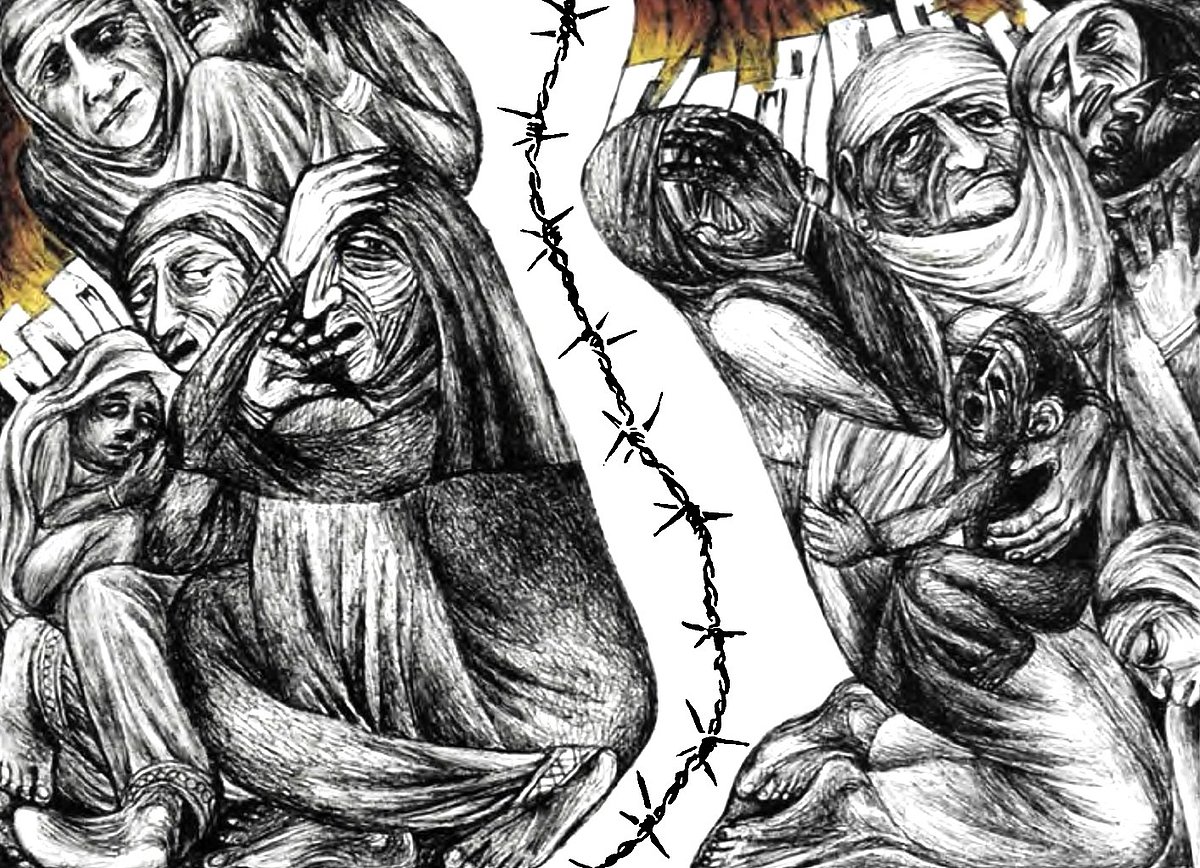
Over the past few decades, the nation states of Southasia have been home to some of the most bitter and costly conflicts of the modern world. Subaltern classes have resisted the hegemony of the elite; areas on the periphery have protested exploitation by the centre. To class and geography have been added the fault lines of language, caste, religion and ethnicity.
No region of the world – not even the fabled Balkans – has witnessed a greater variety of conflicts. Southasians are an expressive people, and so they have expressed their various resentments in an appropriate diversity of ways: through electing legislators of their choosing; through court petitions and other legal mechanisms; through marches, gheraos, dharnas, hunger strikes and other forms of non-violent protest; through the torching of government buildings; and through outright armed rebellion. The record of our nation states in dealing with these conflicts is decidedly mixed. Some conflicts, which once threatened to tear a nation apart, have been, in the end, resolved. Other conflicts have persisted for decades, with the animosities between the contending parties deepening with every passing year.
From this vast repertoire of experience within Southasia, this essay will foreground some of the more intractable of these conflicts: among others, the Kashmir dispute and the Naga insurgency in India, and the rebellion of the Tamils in Sri Lanka. These conflicts have remained unresolved because of the inflexibility and, dare it be said, dogmatism of the contending parties. The question to ask is: Would a middle path of accommodation and reconciliation, adopted by either party to a conflict or both, have helped in reducing or mitigating the violence and the suffering? In search of an answer, let me first turn to some forgotten episodes in the career of a man who might be considered the paradigmatic Southasian, Jayaprakash Narayan, or 'J P'. He was an Indian patriot, but he retained close links with the republican struggle in Nepal, as well as the socialist movement in Sri Lanka. He worked actively for conciliation between India and Pakistan, and was also an early supporter of the Tibetan people and their cause. Thirty years after his death, J P must be remembered for his idealism and activism, which continues to hold meaning for peace and progress in Southasia.
Missed opportunities