

This week at Himal
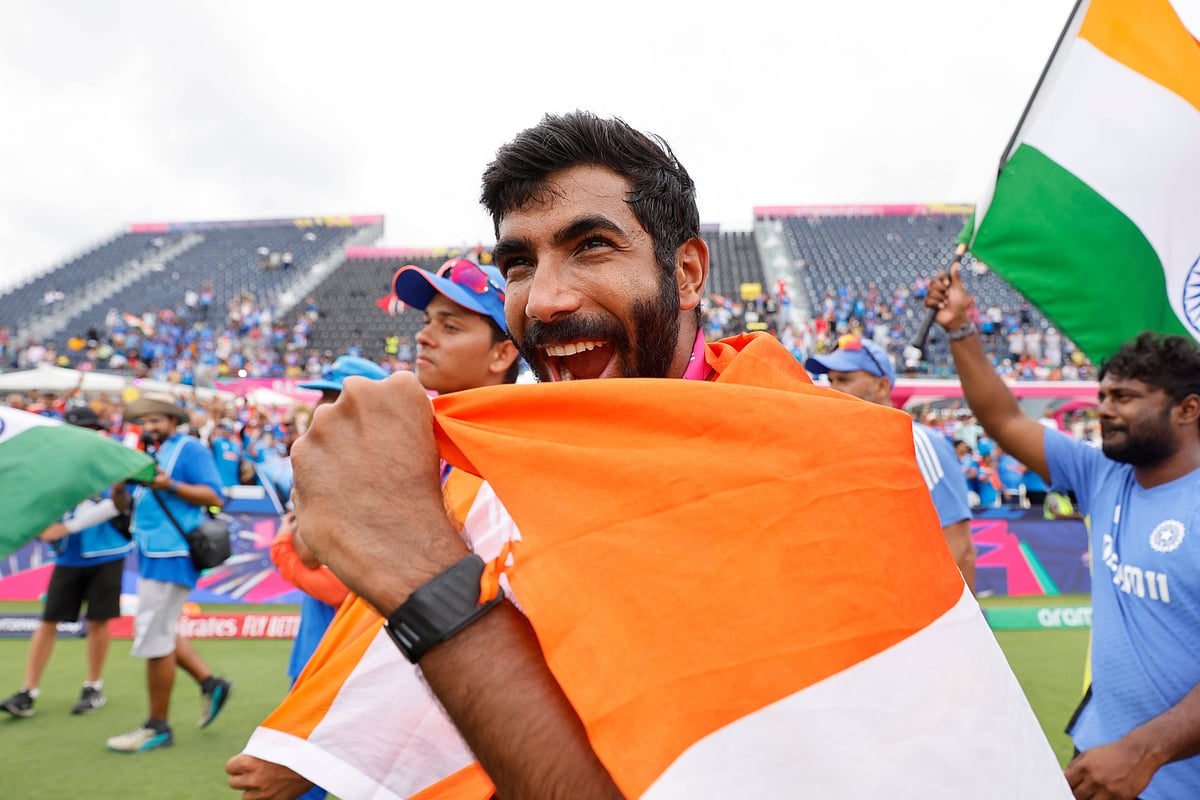
This week, Vaibhav Vats writes about Jasprit Bumrah, one of the best fast bowlers India has ever produced. Bumrah stands out for his self-effacement and sobriety in an Indian team steeped in individualism and hyper-masculinity. Vats also writes about how caste is still embedded in cricket, and how players like Bumrah have come to represent a strand of upwardly mobile players who have transcended their social backgrounds.
In the latest edition of the Southasia Review of Books podcast, host Shwetha Srikanthan talks to Vajra Chandrasekera, author of the fantasy novel Saint of Bright Doors and the recently released Rakesfall. The conversation unpacks how colonial and postcolonial powers distort history for their own ends, the arbitrariness of borders and writing fantasy and science fiction from Sri Lanka.
From Pakistan, Salman R Sheikh writes about Pakistan’s new military operation to combat Baloch insurgency, which is continuing a vicious cycle of violence rather than addressing legitimate Baloch grievances through constitutional means.
Also read: In Balochistan, Pakistan again tries to find a military solution to a political problem
Also read: Jasprit Bumrah embodies a better kind of Indian cricketer – and a better India
This week in Southasia

39 killed in Bangladesh protests around job quotas
Since 1 July, Bangladesh has been gripped by widespread student protests demanding the removal of job quotas that reserve nearly one-third of government positions for descendants of those who fought in the 1971 Liberation War. This week, the protests turned violent, with at least 39 people reportedly killed and police firing teargas to scatter the protesters. Schools and universities were closed and mobile internet services were suspended. Eyewitness testimony revealed that Bangladeshi authorities used unlawful force against student protesters, with violence also being perpetrated by the Bangladesh Chatra League, a student group affiliated with the ruling Awami League party.
The protests erupted after a High Court reinstated the quota system, which had been suspended since 2018 after another wave of protests. While the quota system was originally introduced to provide opportunities to women and those living in underserved districts, students say the reservation for children of those who fought in 1971 will mostly benefit pro-government groups. Analysts have also pointed to high youth unemployment rates, with university graduates facing an “acute” job crisis. On 18 July, students vowed to continue protesting despite Prime Minister Sheikh Hasina’s pledge to provide justice for the students who were killed. Hasina had earlier refused to meet the protester’s demand for a merit-based quota system, calling the student protesters ‘razarkars’, a term for those who collaborated with the Pakistan army during the 1971 Liberation War and inflaming tensions further.

Elsewhere in Southasia 📡
- Maldives government deports more than 2000 foreigners staying in the country illegally in the past 9 months, claiming involvement in criminal activities and illegal businesses. Over 1000 attempt to enter Maldives on forged tourist and work visas due to Maldives’ quota on foreign workers
- 47 people killed, hundreds injured by heavy rains in eastern Afghanistan, causing the demolition of 400 homes, a Taliban official says
- Pakistan plans to ban former Prime Minister Imran Khan’s political party Pakistan Tehreek-e-Insaf for receiving foreign funds from illegal sources and organising anti-state rioting, days after Supreme Court says the party is eligible for reserved seats in national and provincial assemblies
- Sri Lanka’s Supreme Court orders ex-president Maithripala Sirisena to pay the outstanding compensation to victims of the Easter Sunday suicide bomb attacks before 30 August. The compensation comes from a previous High Court ruling against Sirisena and other state officials for failing to prevent the attacks despite having prior intelligence information
- Nepal appoints Khadga Prasad Oli of the Communist Party of Nepal (Unified Marxist-Leninist) as prime minister following the collapse of a previous coalition government which lost a vote of confidence in the House of Representatives
- At least 4 Indian soldiers killed in a gun battle with militants in India-administered Kashmir, the latest in a flurry of violence in the region
- Myanmar deploys the first round of soldiers drafted through controversial military draft law to the frontlines of the junta’s war against armed groups after only three months training
- Sri Lanka Air Force reveals former presidents Mahinda Rajapaksa, Maithripala Sirisena made 978 and 557 domestic flights in Air Force helicopters during their tenures, in response to RTI request amidst growing public scrutiny around Sri Lanka’s economic crisis
- Myanmar general jailed over retreat during fierce battle in Myawaddy as Myanmar’s military junta face “humiliating” defeat in battles with anti-junta armed groups
Only in Southasia
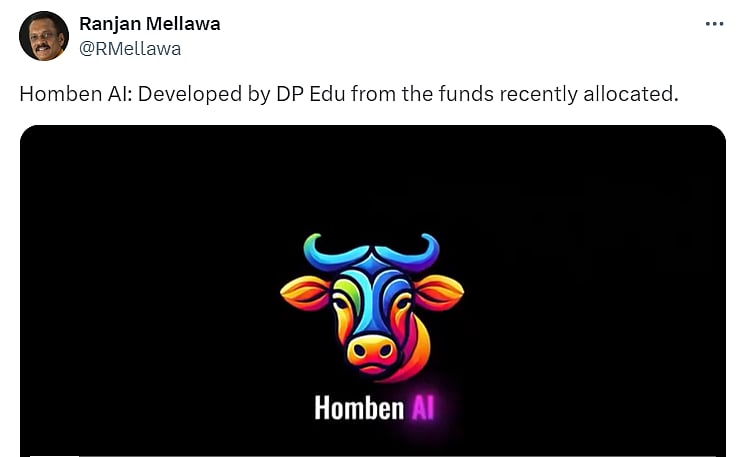
This week, a video clip was widely circulated on Sri Lankan meme pages. The clip appeared to show Dhammika Perera, businessman and member of the Sri Lanka Podujana Peramuna, in conversation with a young IT student at a political rally. Perera recently announced his interest in contesting the presidential election. This is not Perera’s first time contesting - in 2019, he contested in the presidential race as an independent candidate, presenting a manifesto which raised some eyebrows due to his proposals - which included geotagging street children to ensure no school dropouts. It’s perhaps unsurprising that Perera had an app suggestion to the young budding entrepreneur, asking him rhetorically, “Now cows are often stolen and carried away in trucks, right? Can’t you make an app for the police, where people can upload photos of their cows and register them, then police can easily scan and identify who the owner of the cow is? You can make that right?” Nonplussed by the extremely specific question, the student says, “Yes, sir”. In response to the clip, a Sri Lankan content creator, Viraj Harshana made a parody commercial for Homben AI, explaining how such an app would work. As people commented, the clip represents Sri Lanka at its best - and worst.
From the archive
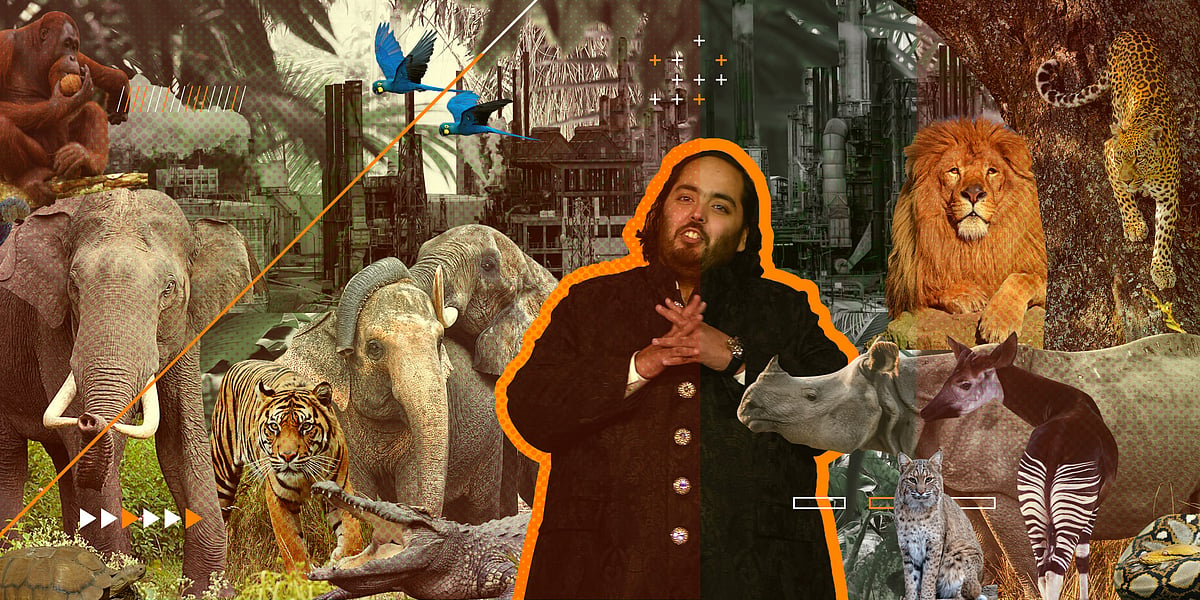
The costs of Reliance’s wildlife ambitions (March 2024)
This week, our social media feeds have been filled with news about Anant Ambani’s wedding, from the celebrities attending and performing to the details of the guest’s couture-wear, including Radhika Merchant’s hand-painted lehenga which featured elephants and swans, a nod to the young Ambani’s love for animals. This has brought attention back to our recent investigative piece on Ambani’s wildlife sanctuary, which raised concerns about the sourcing of some animal’s, and raised important questions on India’s wildlife management.