
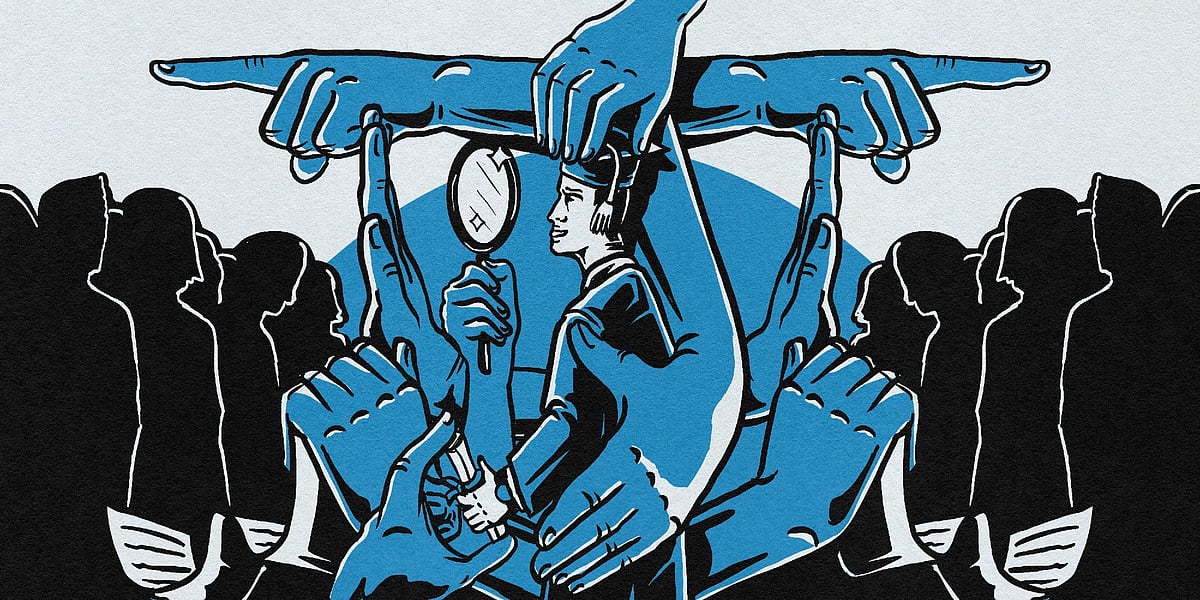
In June 2021, Dalit rapper and anti-caste activist Sumit Samos started a fundraiser to cover his tuition fees at Oxford University. Within four hours, a sum of almost INR 2.7 million (around USD 36,298) was collected to cover Samos' tuition expenses for a Master's degree in Modern South Asian Studies at the prestigious institution. Following his example, first-generation students from across the country, many from marginalised backgrounds – such as Archana Rupwate, a lawyer and the first person in her village to graduate from university, and Harshali Nagrale, a political researcher working on caste and gender-based discrimination – have started campaigns on fundraising platforms such as Milaap and Ketto. It may be easy to view these successful efforts in a self-congratulatory light. The power of social media, the heartwarming outpouring of support, and the sense of collective community were reflected clearly in the efforts to raise funds for the students. Yet, it is imperative to take a step back and ask: are the opportunities afforded to students hindered by factors beyond their control?
Pursuing an education overseas offers appealing possibilities to students in India – the chance to expand worldviews, earn social capital and, ultimately, achieve upward mobility. Yet, students from Dalit, Bahujan and Adivasi (DBA) communities often find themselves at a significant disadvantage as they compete against upper-caste individuals who have had access to better education, a system that does not alienate them and a society that does not scorn them. Fundraisers like these require more fundamental questioning – an inquiry that probes the limitations of meritocracy, the problems plaguing the current educational system, and the continued systemic barriers to social mobility. Current reform proposals must be questioned too, to examine whether they account for existing structural inequalities due to caste.
Lapses in the system