
Amid the COVID-19 pandemic, international cricket resumed on 8 July 2020, when the England men's cricket team took the field with West Indies in a test match at the Ageas Bowl, Southampton, in England. The first experiment of its kind in cricket occurred inside a bio-secure stadium with no spectators. The test series was a success, and since then the Pakistani and Australian cricket teams have also toured England. But before the England-West Indies series could begin, the organisers had to ensure on-site hotel accommodation, medical screening facilities, sanitising amenities at the grounds, clearance from the UK government, and extendable space for match officials, players and media. In the interim, the International Cricket Council (ICC) also prohibited the use of saliva to shine the cricket ball and introduced a COVID-19 player substitution policy.
The declining number of COVID-19 cases in the UK in June 2020 provided the necessary impetus for cricketing bodies and the UK government to organise the England-West Indies cricket tour. The England and Wales Cricket Board (ECB) feared losses of up to GBP 380 million if there were no cricket matches during the summer cricket season. Although the pandemic hasn't subsided, more cricket matches have already been planned. Meanwhile, as India is still struggling with rising COVID-19 cases across the country, the Board of Control for Cricket in India (BCCI) decided to shift the Indian Premier League (IPL) to the United Arab Emirates (UAE). After delays, it is now being held between September and November 2020. A cancelled Indian Premier League (IPL) season would have resulted in a loss of INR 4000 crore (USD 0.54 billion) for the BCCI which had sold its IPL television and digital rights to Star India for INR 16,348 crore (USD 2.55 billion) for the period 2018-22.
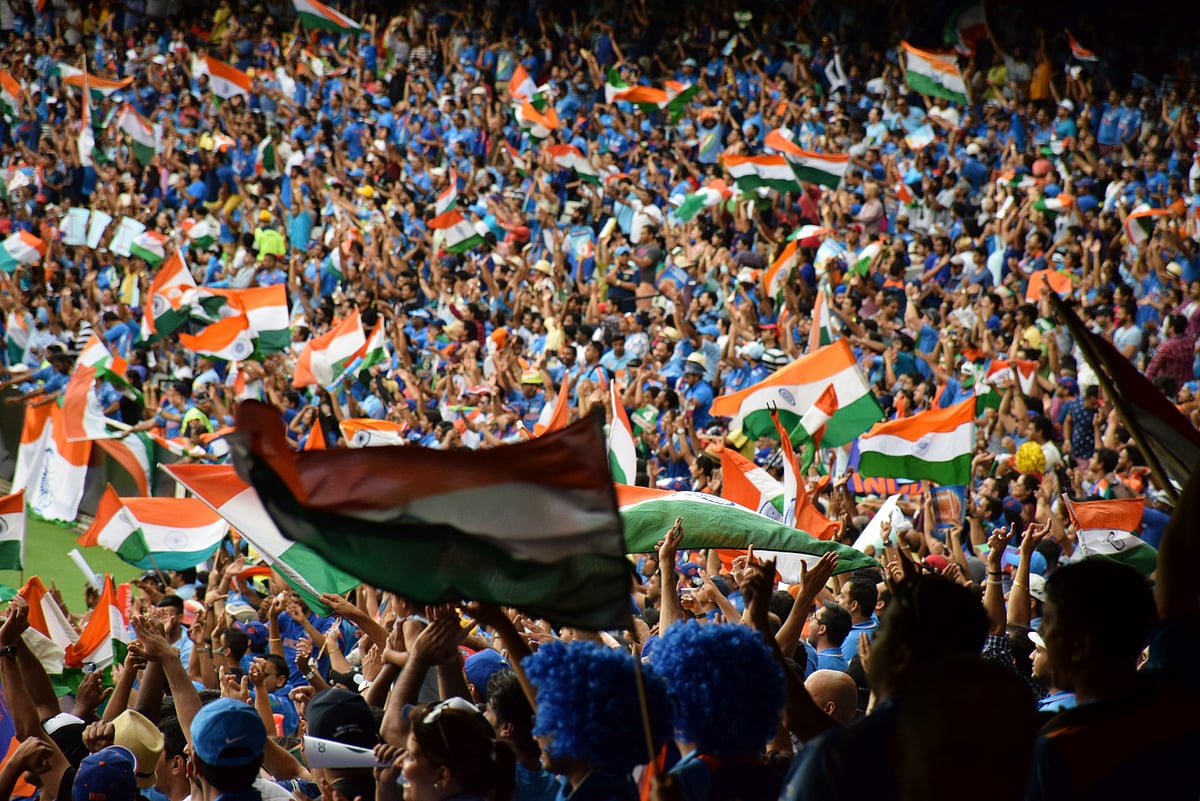
Apart from ensuring the safety of the players and officials involved in organising the game, one of the most challenging aspects of conducting matches during this time has been to replicate the experience of stadiums filled with cheering fans. How do you recreate the sound of a roaring stadium when cricketers get out or hit a six? How do you capture the tension and excitement of the audience? Who do batsmen raise their bats to? How do captains of the home-team cheer up their cricketers if they cannot turn to the audience?
The broadcast spectacle