
(This article was first published in our July-August 1992 print issue. Click here to read Part II and Part III of the article.)
Travelling east on the highway from Siliguri to Guwahati, looking north, the green of the Indian flatlands gives way to the blue hills of Bhutan. Beyond the low-lying monsoon clouds, up in the Bhutanese districts of Samchi, Chirang and Geylegphug, unfolds a story of cultures in collision.
A ruling minority feels threatened that its identity is about to be swamped by a growing majority. It decides to counter this threat by a well-planned programme of depopulation. The rulers know the world well. They are astute and use every available advantage: the remoteness of their country, manipulable media, the weakness of all outsiders for 'last remaining Shangrilas', and the blessings of a giant southern neighbour that obligingly turns a blind eye.
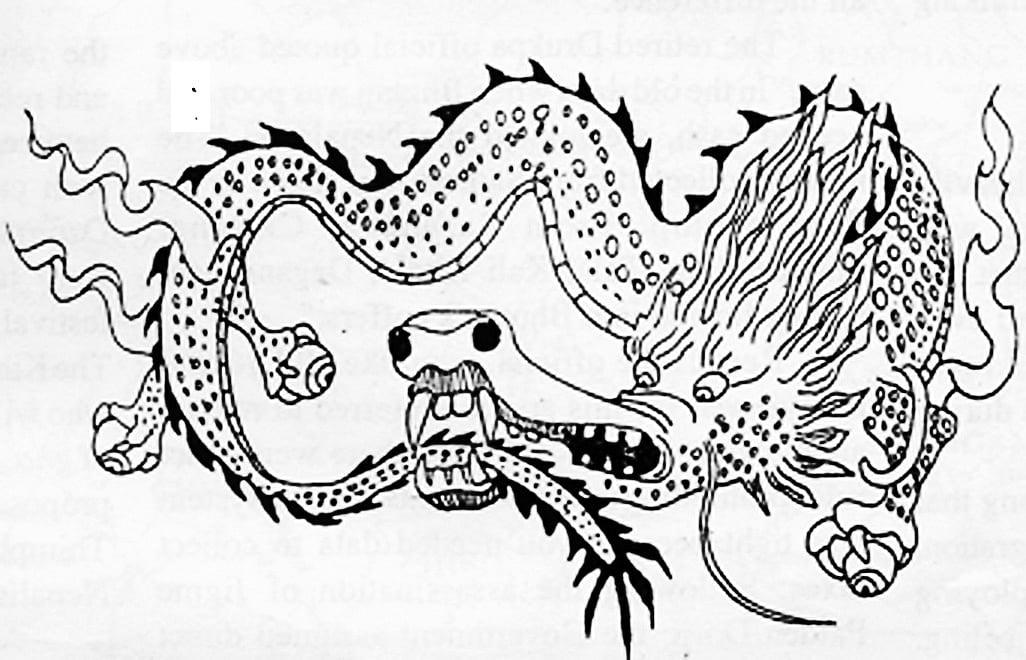
The country is Druk Yul, land of the Thunder Dragon. The guardians of the Dzongkha language and the Drukpa Kagyu traditions of west Bhutan have decided to protect their identity, and the losers are the Nepali-speakers of the south. The large-scale suffering of the southerners – Lhotshampas in Dzongkha – has yet to make a mark even in the subcontinental consciousness. The story remains largely unreported. Thimphu zealously guards its image and the little it has allowed to leak to the world media has been through the eyes of carefully vetted journalists and academics.