
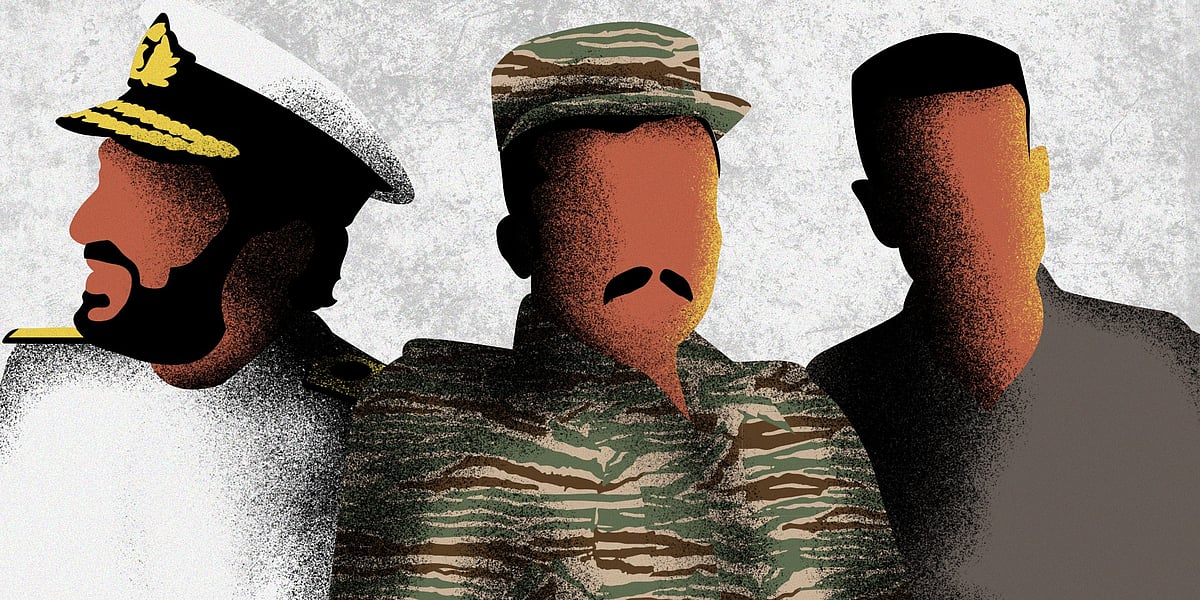
Recent events have brought to the fore, yet again, Sri Lanka's legacy of past abuses, its challenges with accountability and its entrenched culture of impunity. Three cases in particular demonstrate the many impediments to accountability in Sri Lanka: impunity for a former rebel turned politician, the delays in justice in the case of a former senior navy official, and the presidential pardon of a convicted murderer. In the first two cases, like in many others, there appears to have been sufficient information to proceed to the next steps in the criminal justice process – but the cases did not advance. In the third case, even though justice was secured, it was later reversed.
In response to calls for truth and justice following cyclical post-1948 violence, Sri Lankan governments have tended to appoint commissions or committees. Some initiatives, such as the Lessons Learnt and Reconciliation Commission (LLRC) and the Paranagama Commission, both appointed by former president and current Prime Minister Mahinda Rajapaksa, did capture some dimensions of the violence and suffering faced by citizens across Sri Lanka. The latter commission received over 20,000 complaints of enforced disappearance. This number, considered conservative by activists, highlights the scale of disappearances in the country.
Although such initiatives may recognise the need for redress, few perpetrators have been held to account. Though the reasons differ from case to case, common causes for limited progress within the criminal justice system in Sri Lanka include delays with investigations, evidence tampering, a fear of reprisal among victims and witnesses and, in general, a lack of political will to proceed with cases deemed politically sensitive.
Since the findings of many such commissions are often not made available to the public, victims remain in the dark about the fate of their loved ones. So while some state initiatives have highlighted aspects of Sri Lanka's past, many victims continue to search for answers and justice. The years and in some cases decades of delays have meant some victims passing away without discovering the whereabouts of their loved ones. Families of victims of enforced disappearances from as far back as the 1980s continue to search for answers, and in the North of Sri Lanka, families have protested for over 1000 days with no answers yet. The death of individuals who courageously searched for their missing family members is an indictment of a system that has failed victims in the most human of quests – to learn what happened to those they love. Their persistent activism, however, has kept the need for accountability alive.