
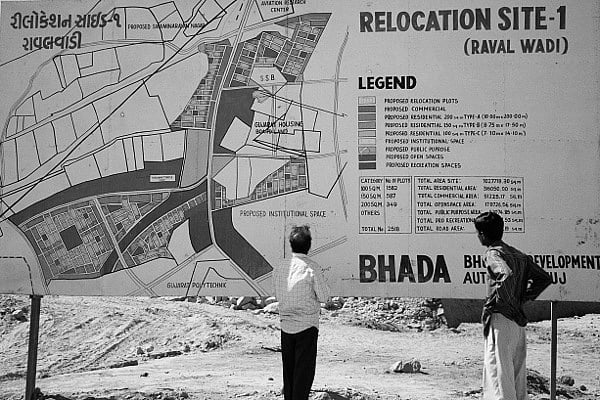
In January 2001, the state of Gujarat in India was shaken by a powerful earthquake. Government figures based on death compensation records suggest the toll was around 13,000; the media settled on a figure of 20,000. The 7.7-magnitude earthquake also took a great toll on people's livelihood and property, and the battle to determine how to put things back together became the dominant concern in the aftermath.
Given that the 2015 earthquake has similarly shaken certainties in Nepal, we may look back at the Gujarat experience to gauge what might happen next. What happens when the dust of devastation settles? The answer is that a thicker and a more prolonged settlement of dust – the dust of reconstruction – ensues. Reconstruction is a messy and tortuous affair, and often, it is seen as a recurrence of the original disaster.
Much of what has happened in Nepal resembles what transpired in post-earthquake Gujarat: stories of maladministration, aid comedy, miracles, blame, hostility, ineffectual decisions, but also compassion and generosity. We heard stories of map-drawing, competitive coordination, and of life still going on. We saw damage assessments, self-demolitions, anxiety about compensation scales and the uncertainty introduced by complex urban planning. Rebuilding cities and villages, and the attendant idea of 'transparency' became the central motifs of post-earthquake discussions. We also read of an anguished diaspora donating with characteristic nostalgia and enthusiasm.
Writing the history of a disaster is an important exercise in the aftermath, not only as catharsis or contemplative self-reflection, but also because it forms a strong foundation for future politics. Conventional discourses and writings about disasters often have specific agendas and become the standard representations. As weeks become months, and fears of aftershocks recede, memories of the earthquake and its aftermath accrete around selective things. Earthquake amnesia is cultural, where fragmented memories, in the uncertainty and ambiguity of the immediate aftermath, take new narrative forms. In time, these narratives will become the history of the disaster.