Last week, I was on my way to Tribhuvan International Airport in Kathmandu after a week of planning for the next year at Himal when I read the news announcing the ban of 26 social media apps in Nepal. Back in Colombo, I watched as protests were announced in Nepal, standing against corruption and nepotism, and also against the social media ban.
The frustrations I saw being expressed felt very familiar. In 2022, Sri Lanka experienced its own crippling economic crisis, fuelled by corruption and mismanagement, which saw Sri Lankans come together en masse to call on then president Gotabaya Rajapaksa to step down. The scenes Sri Lankans witnessed then bore more than a passing similarity to the photos and videos we are seeing out of Nepal.
As a Sri Lankan, I hope that Nepalis learn from our mistakes, and can work towards true ‘system change’. My thoughts are with Nepal — especially with Himal colleagues who have been navigating power outages, fire and more in order to help bring you coverage on the rapidly unfolding situation. (All the more reason to support our work!)
With that, I bring you this week’s update.
This week in Himal
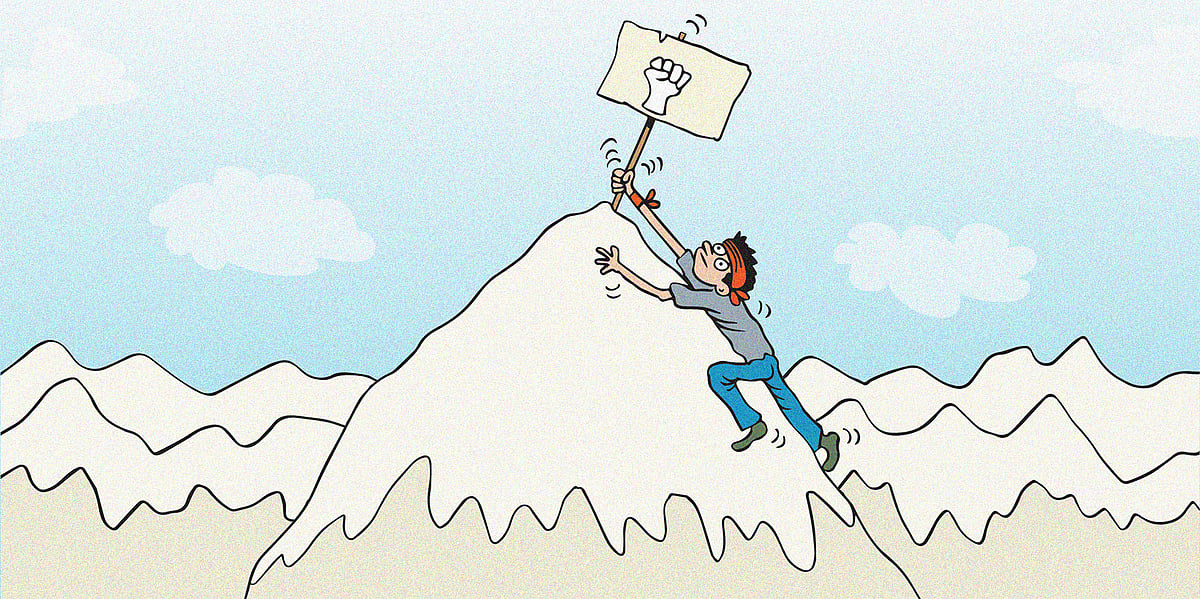
Himal Editor Roman Gautam writes about Nepal’s search for a new politics in the wake of the failure of the political establishment.
Don’t miss Pranaya Rana’s article, which tracks the full chronicle of the week that transformed Nepal, ripping down the old political order and delivering an interim government under Sushila Karki.
Stay tuned for the upcoming episode of the State of Southasia podcast, where host Nayantara Narayanan will take a deep dive into the Nepal protests and ensuing political crisis.
This week in Southasia
Nepal appoints a new interim prime minister after mass protests
On Friday, 12 September, Nepal appointed former Supreme Court Justice Sushila Karki, a top candidate among Nepal's young protesters, as interim prime minister. Other names floated for the post included Kathmandu mayor Balendra Shah and Kulman Ghising, former Nepal Electricity Authority chief, though Shah said he would back Karki’s appointment. Paudel earlier cited constitutional barriers for being unable to accede to the protester’s demands.
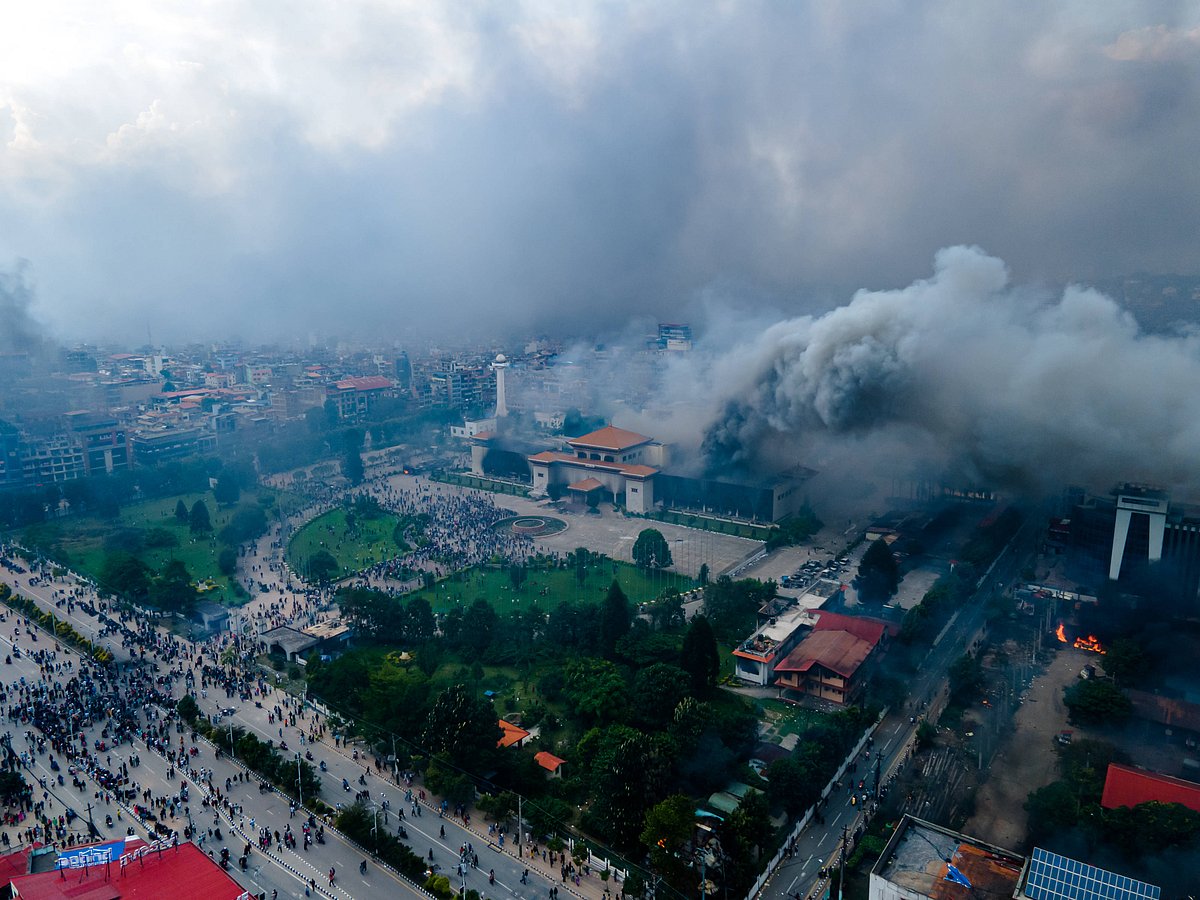
An uneasy calm prevailed on 11 September, as the army patrolled the streets, with curfew in place. In the wake of Prime Minister KP Sharma Oli’s resignation, government buildings, and the houses of political leaders were set on fire with eyewitness accounts of violence targeting police officers. Protest leaders distanced themselves from the violence, claiming the protests had been ‘hijacked’ by opportunists - even as misinformation circulated widely. So far, police have confirmed 51 deaths during the protests.
Nepal has seen mass uprisings in 1990 and 2006 (known as Jana Andolan I and II), with protesters calling for political reform. Yet despite these calls, the governments that followed failed to follow through on their promises. Nepal’s unemployment rate ranges from anywhere between 11 to 24 percent, leading to migration and an economy dependent on remittances.
Many observers are drawing parallels between Nepal’s protests, the 2022 protests in Sri Lanka and Bangladesh’s 2024 July Revolution, all of them triggered by simmering anger around corruption, misgovernance and abuse of power. In all three countries, the protests were marked by police brutality, spiraling retaliatory violence and political instability.
In light of these events, Himal founding editor Kanak Mani Dixit’s 2006 article written in the wake of the Jana Andolan II (People’s Movement) which saw protesters rise against the monarchy, as Nepalis debated about what their fledgling democracy could look like, is worth revisiting.
From the archive
Also read: Nepal’s people phenomenon
Elsewhere in Southasia:
- 2.4 million people evacuated from Punjab province, 150,000 more from Sindh as Pakistan’s National Disaster Management Authority chair says the country is facing its last monsoon spell
- India turns to Myanmar’s anti-junta armed group Kachin Independence Army for samples of rare-earth minerals after China restricts exports
- UN says still unable to reach 362 villages in Afghanistan after earthquake in eastern Kunar province, approximately half a million people believed to be impacted
- 15 people killed in central Sri Lankan hillside crash after collision between SUV driver and passenger bus
- Delhi High Court rules in favor of Adani Group over defamation lawsuits; 10 entities, including journalists, barred from reporting “unverified” content about the Indian business conglomerate
- Individual who criticised Myanmar’s upcoming elections on Facebook arrested and sentenced to seven years in labour camp
- Sri Lankan government suspends Chemmani mass grave exhumation after 45 days in wake of funding shortages; even as Sri Lanka resists international intervention on human rights, transitional justice in UN Human Rights Council session
- Maldivian Media and Broadcasting Regulation Bill review session removes journalists questioning controversial media control bill, amendments remove penalisation of individual journalists
- President Trump advocates for European Union to impose 100 percent tariffs against India in order to ramp up pressure on Russia-India energy ties; Modi insists negotiations will “pave the way for unlocking the limitless potential of the India-US partnership”
- Protests against detention of minority party Aam Aadmi parliamentarian Mehraj Malik erupt in Indian-administered Jammu and Kashmir; Malik taken into custody under Public Safety Act
- Over 50 suspects detained over desecration of Muslim Hazratbal shrine featuring Ashoka emblem in Srinagar, in the union territory of Jammu and Kashmir
- Pakistan security forces report 19 dead in operations against Tehreek-i-Taliban rebels in Khyber Pakhtunkhwah
- Sri Lanka passes bill terminating luxury privileges for those who previously held presidential office
Revisit some of our archival stories adding more context to some of this week's news updates from India and Sri Lanka
Also read: Umesh Moramudali on Southasia and the Trump tariffs: State of Southasia #28
Also read: In Kashmir, Resistance is Mainstream
Also read: Discrediting peace
Snap Southasia
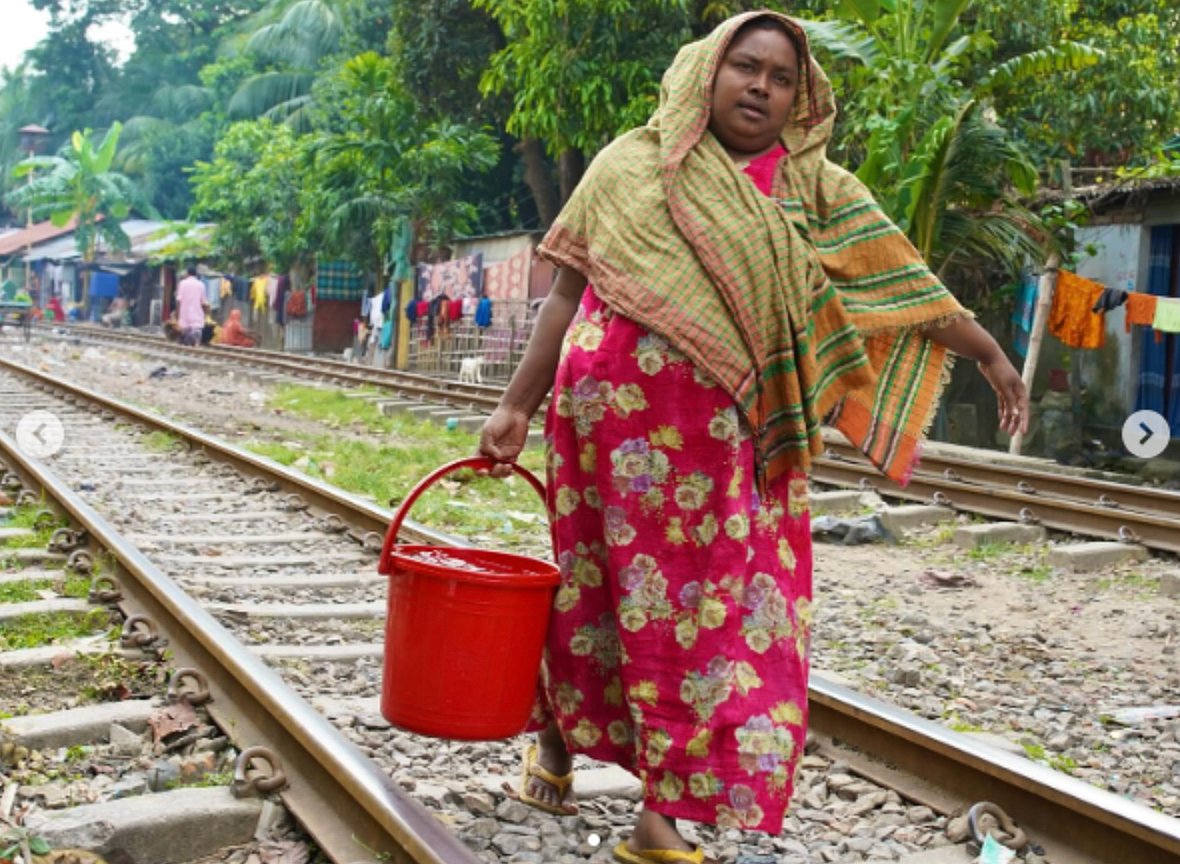
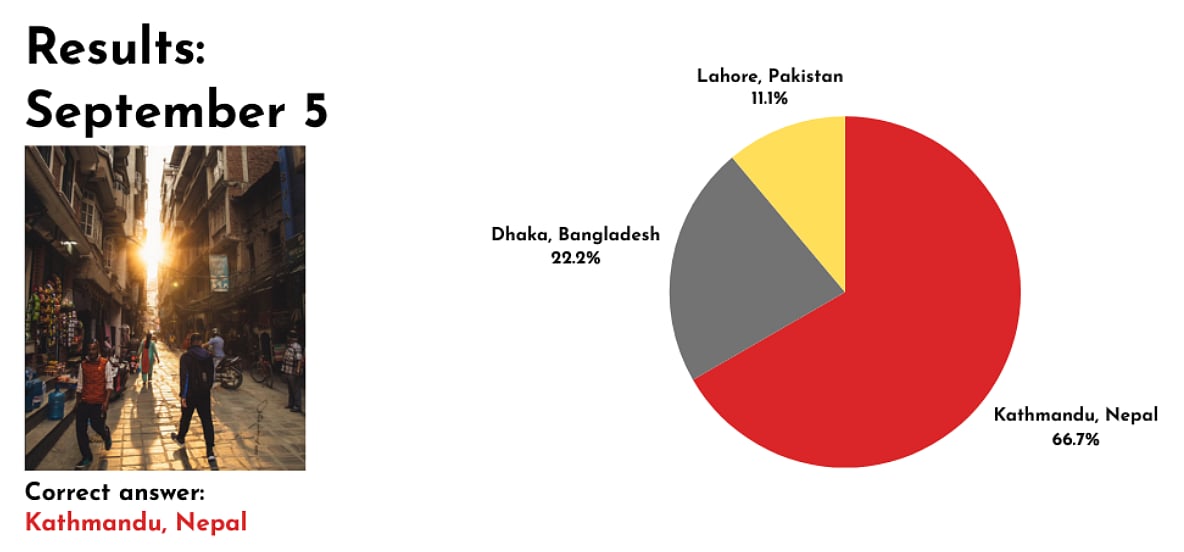
Where in Southasia is this image from?
Patel Nagar, Delhi
Karwan Bazaar, Dhaka
G-7 Katchi Abadi, Islamabad