
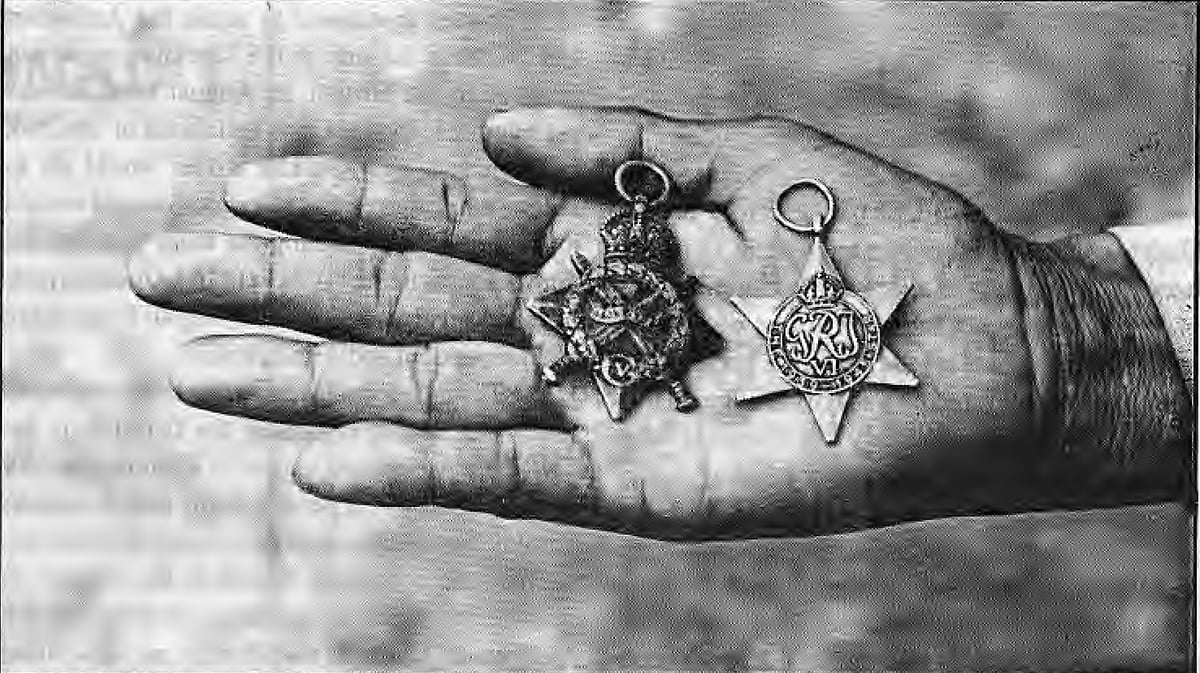
Indeed, it is the Gurkhas' service in foreign armies for more than 170 years on which the Gurkha legend was born. But what lie behind the "stuff" of legend are men and women with lives and circumstances rooted in the Nepali hills. For hundreds and thousands of these hill people, the tenure in foreign armies was and remains the chief means to a livelihood and, often, a better life. It has provided generations of youth prestige in their own societies and exposure to the outside world.
Today, four decades after Nepal supposedly stepped into the modern age, the largest single employer of Nepalis (not counting His Majesty's Government) remains, anomolously, the Indian military. Remittances by Nepalis serving in the Indian and British armed forces probably ranks among the fourth largest sources of the country's foreign currency earnings, and definitely account for the biggest infusion of cash into the economy of the hinterland.
Who the Gurkhas are, and how they came to be, is a tale situated at a historical crossroad where the political economy of nations and Empire intersects with the lives of peasants, kings, nobles and colonisers. A Nepali saying, "Lahara tanda pahara gat-fine," (Tug a vine and start a landslide) might aptly describe any attempt to delve into the Gurkhas' story. But it is a vine worth pulling, for the quaking hillside will reverberate with deep and unadorned truths about the people and society of Nepal. And out of an understanding of the past will come the confidence to tackle a future that is increasingly uncertain and could include the eclipse of the Gurkha as we know him today.
GORKHALIS TO GURKHAS